Aramandi
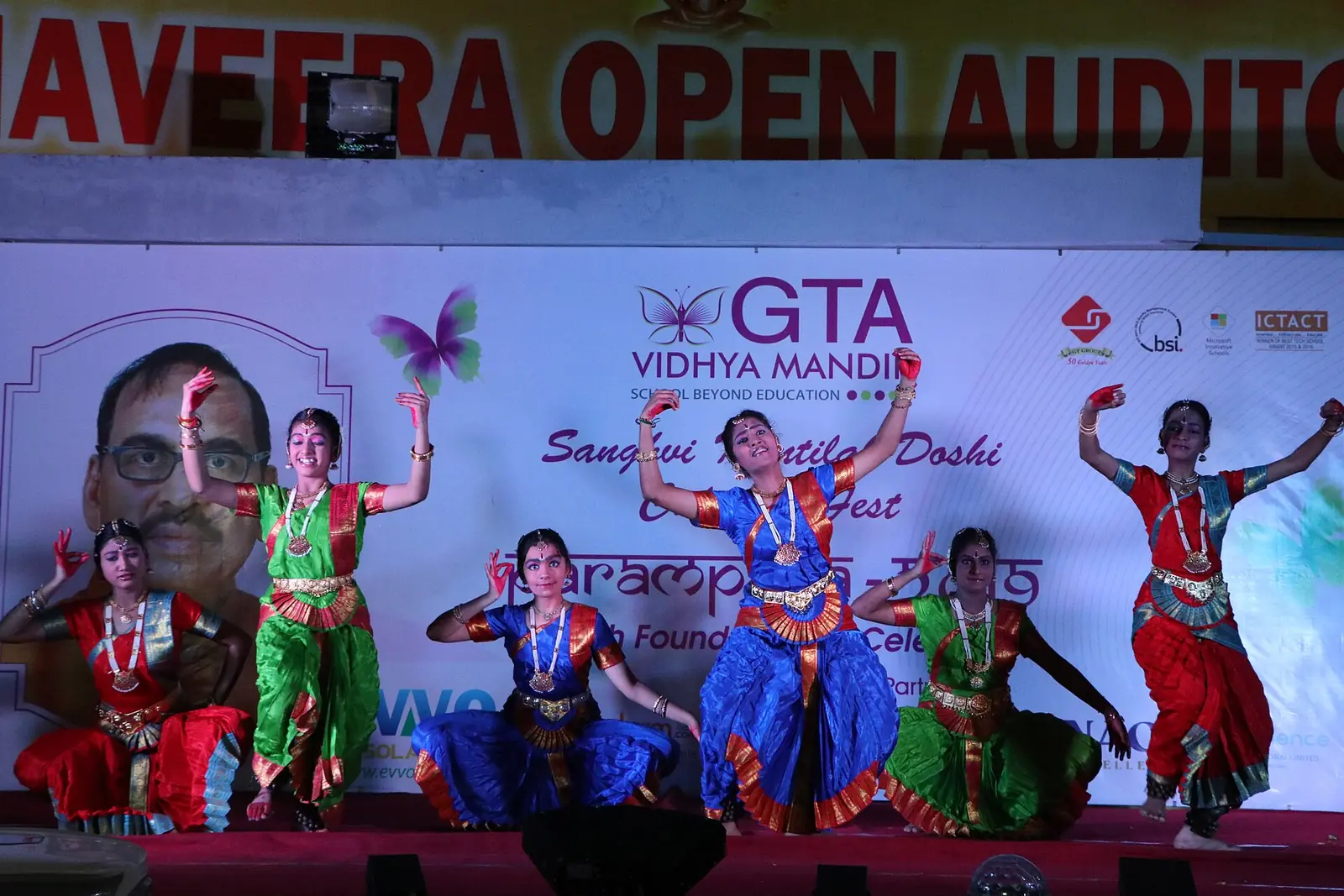
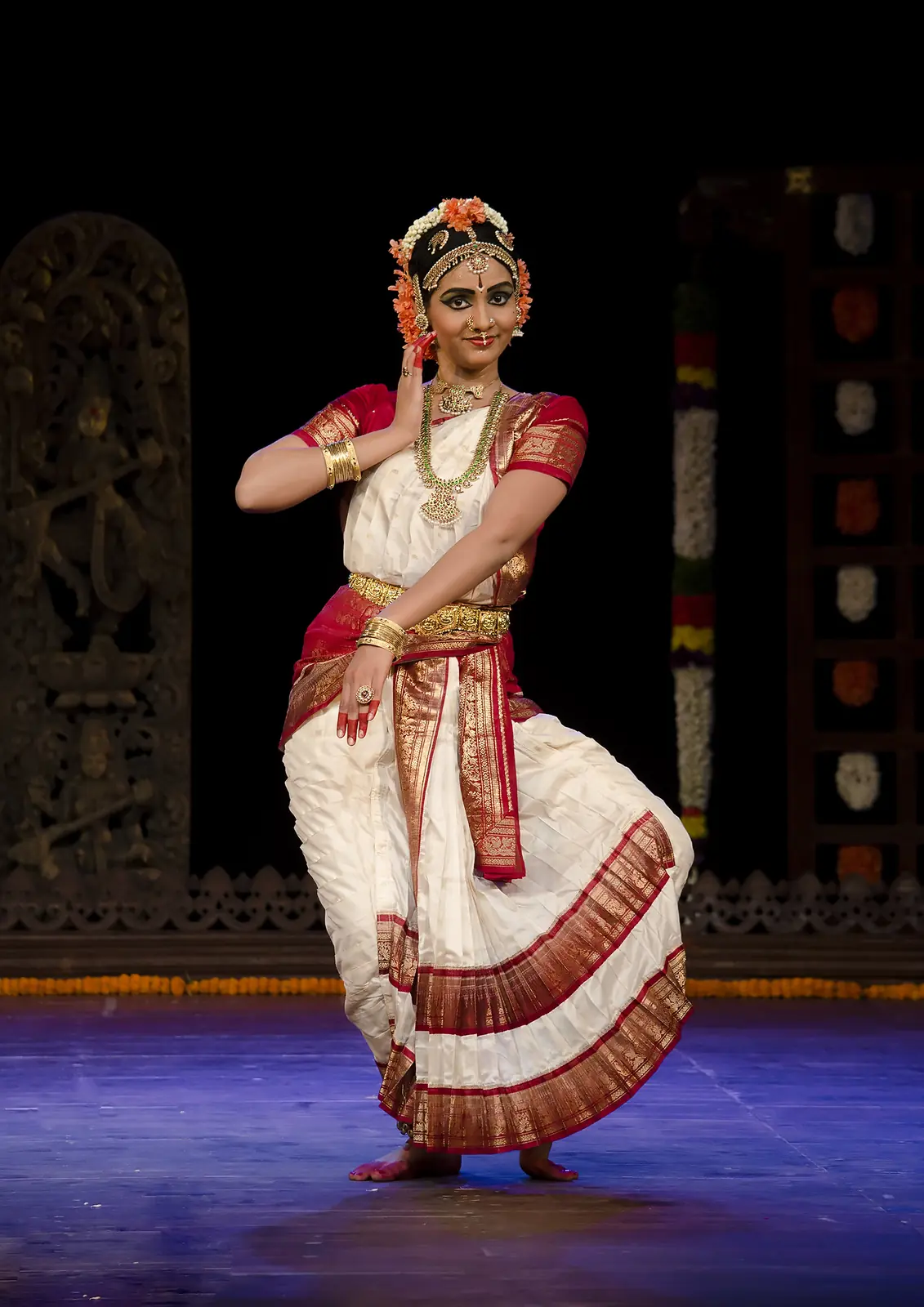
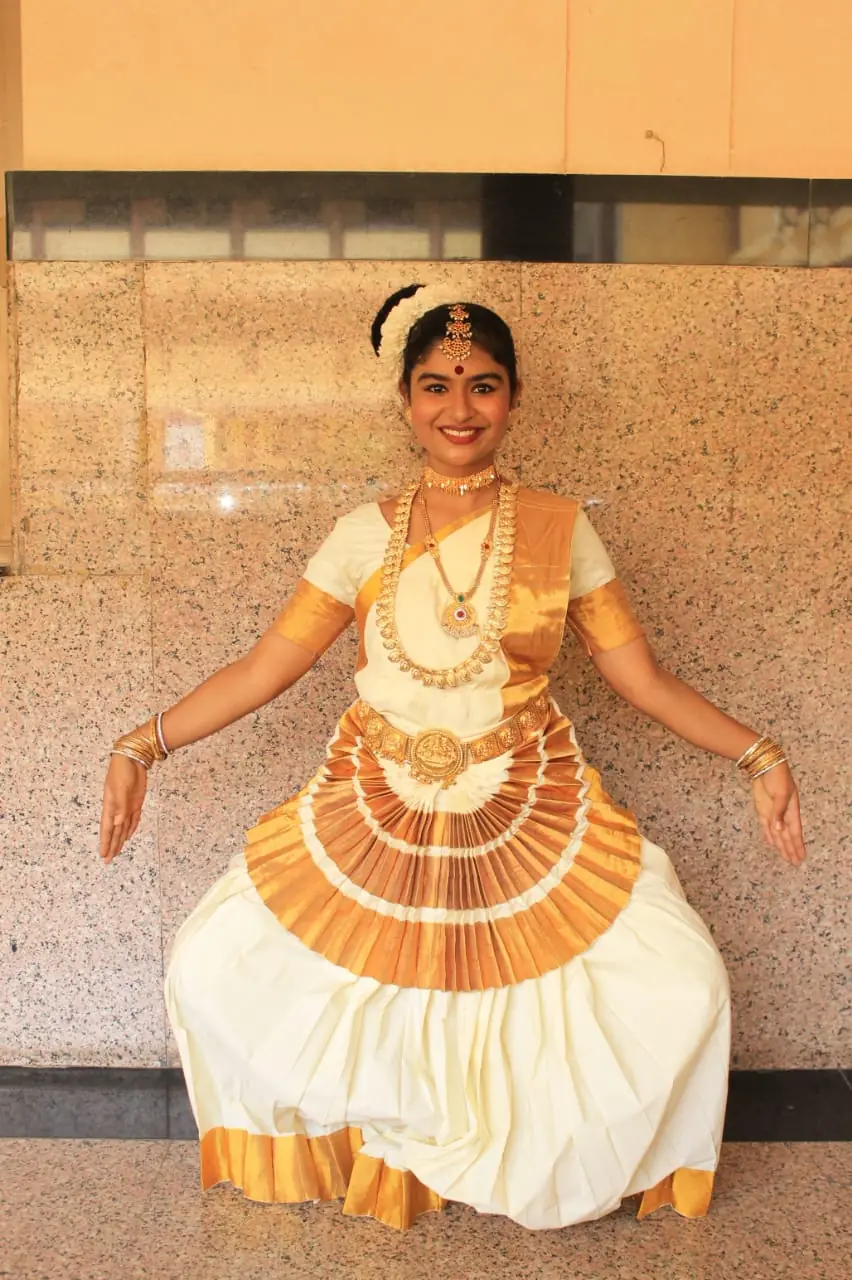
The dancer sits halfway down, knees turned out, heels together, spine upright. Almost every step of nritta, the pure dance, starts from this diamond-shaped stance.

भरतनाट्यम्
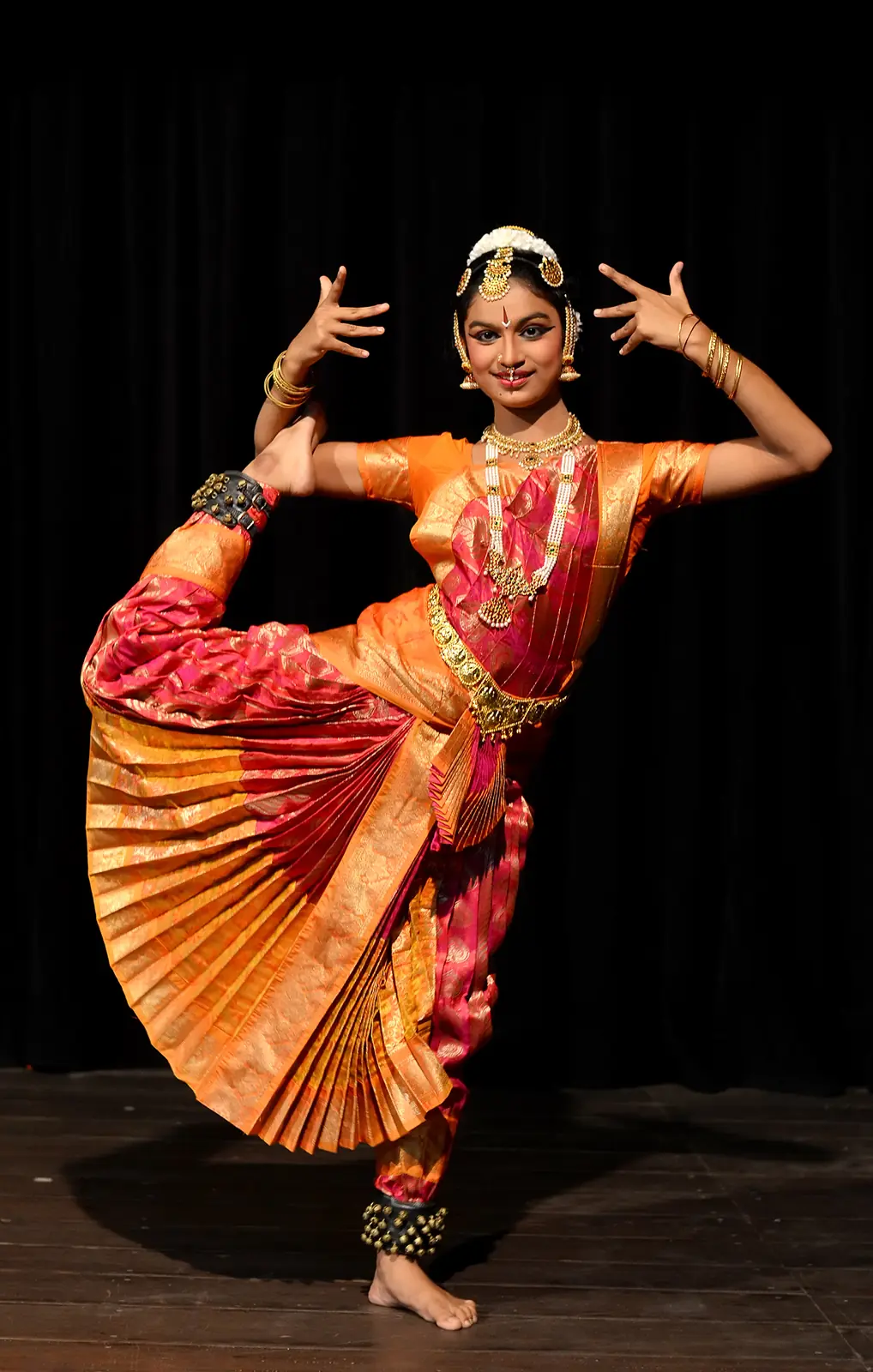
The temple dance of Tamil Nadu, danced in a half-seated stance with the knees turned out and the eyes telling the katha.
The dancer sits halfway down, knees turned out, heels together, spine upright. Almost every step of nritta, the pure dance, starts from this diamond-shaped stance.
A recital follows a path: alarippu, the flowering of the limbs; jatiswaram; shabdam; the long varnam; padams and javalis; and tillana to close, often with a shloka or mangalam.
The centrepiece, often 30 to 45 minutes. Rhythmic passages alternate with lines of song that the dancer interprets again and again, each time with a new shade of feeling.
Hastas from the Abhinaya Darpana, glances and the face carry the meaning. In a padam the dancer may be the nayika waiting for Krishna or Murugan through a single night.
A silk sari stitched into pleated trousers or a fan, temple jewellery with sun and moon ornaments on the parting, jasmine in the plait, alta on hands and feet, and salangai bells at the ankles.
The nattuvanar, usually the guru, speaks the rhythm syllables and strikes the nattuvangam cymbals. A vocalist, mridangam, violin, flute and sometimes veena complete the ensemble.
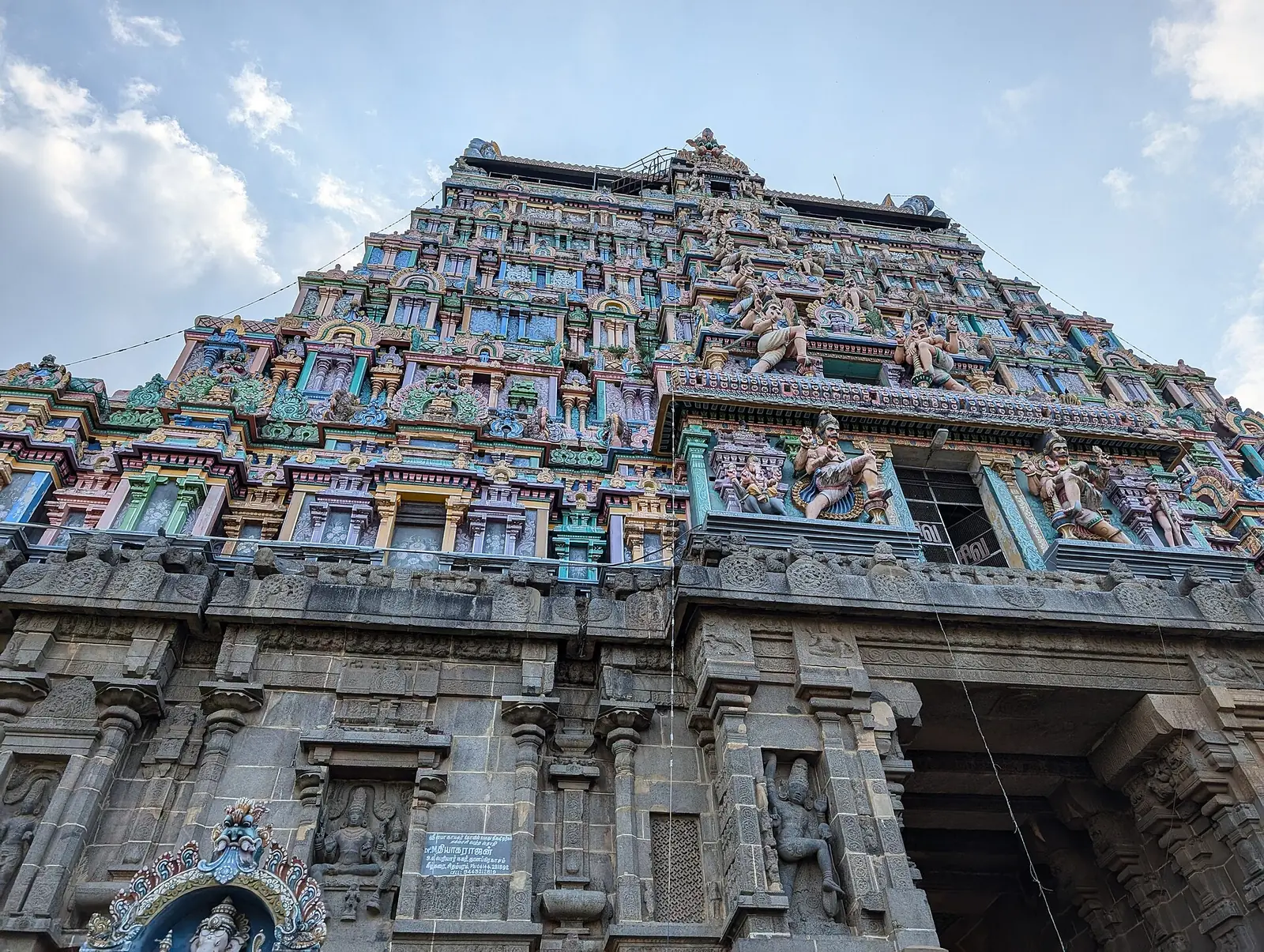
The gopurams of the Nataraja temple at Chidambaram carry carved panels of the 108 karanas of the Natya Shastra, the movement units Bhagwan Shiva is said to have danced.
Four brothers, Chinnaiah, Ponnaiah, Sivanandam and Vadivelu, working at the Maratha court of Serfoji II, gave the recital the order of items still danced today.
E. Krishna Iyer and Rukmini Devi Arundale proposed the name Bharatanatyam at a meeting of the Madras Music Academy, to bring the dance back into respectable halls.
Rukmini Devi Arundale opened the International Centre for Arts at Adyar in January 1936. It became Kalakshetra, a gurukula for dance and music.