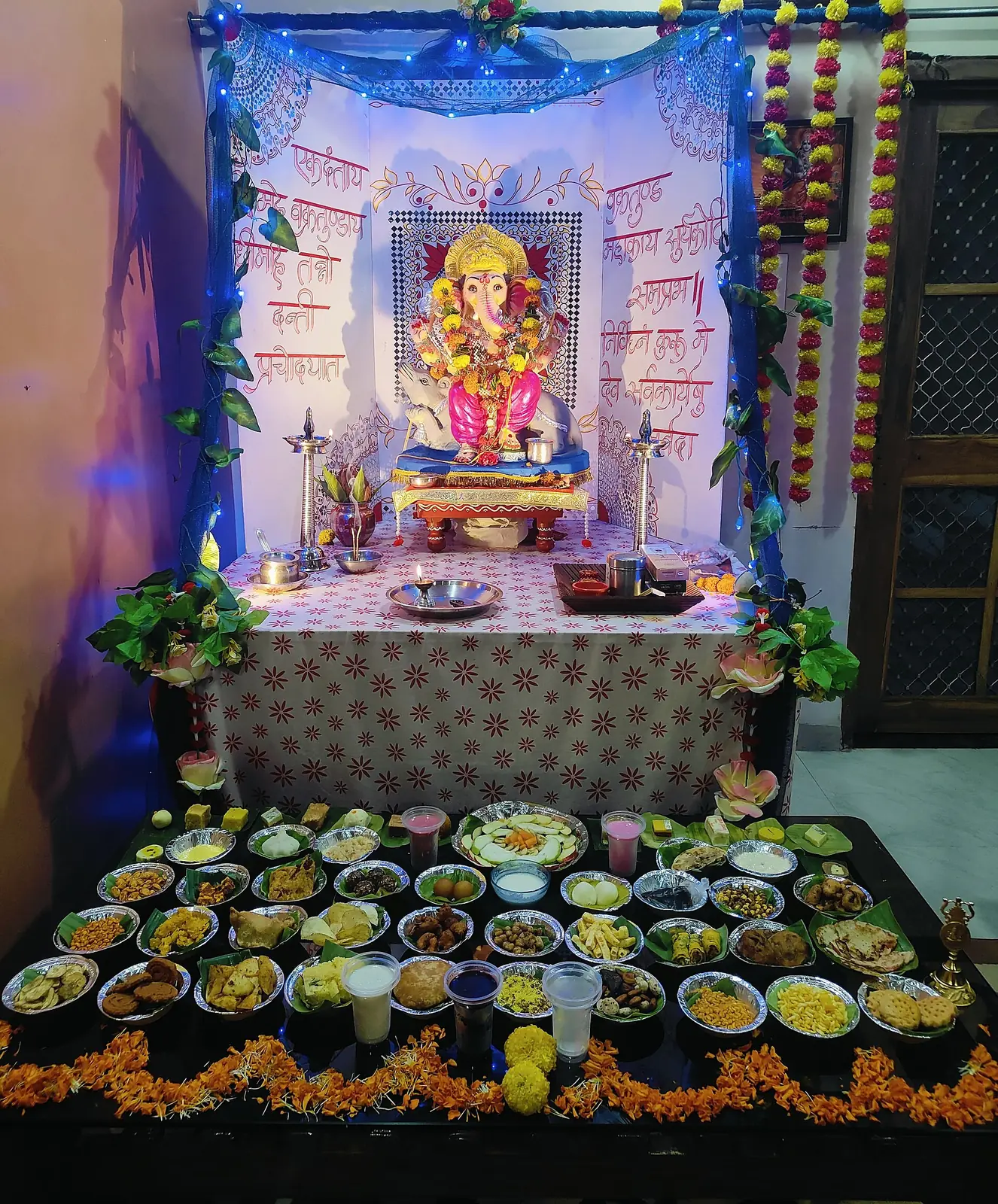
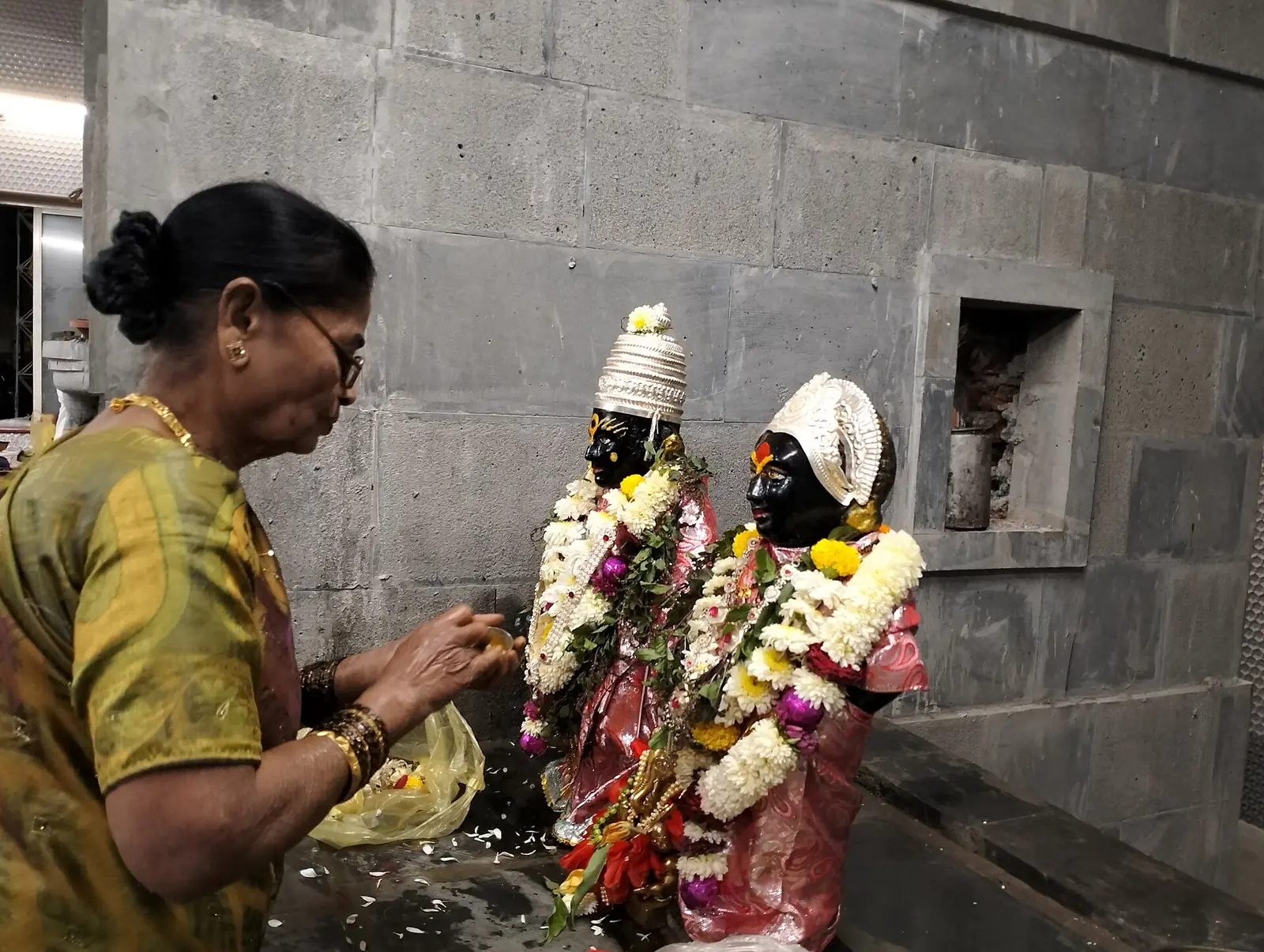
 चंदनChandan (sandal paste)
Gandha, the first of the five offerings, is usually sandal paste rubbed on a wet stone. The stick is ground on the stone with a few drops of water; in Kannada the paste is simply gandha. It goes on the deity, then on the devotee's forehead as prasad. Mysore Sandalwood Oil and Mysore Sandal Soap both hold GI tags.
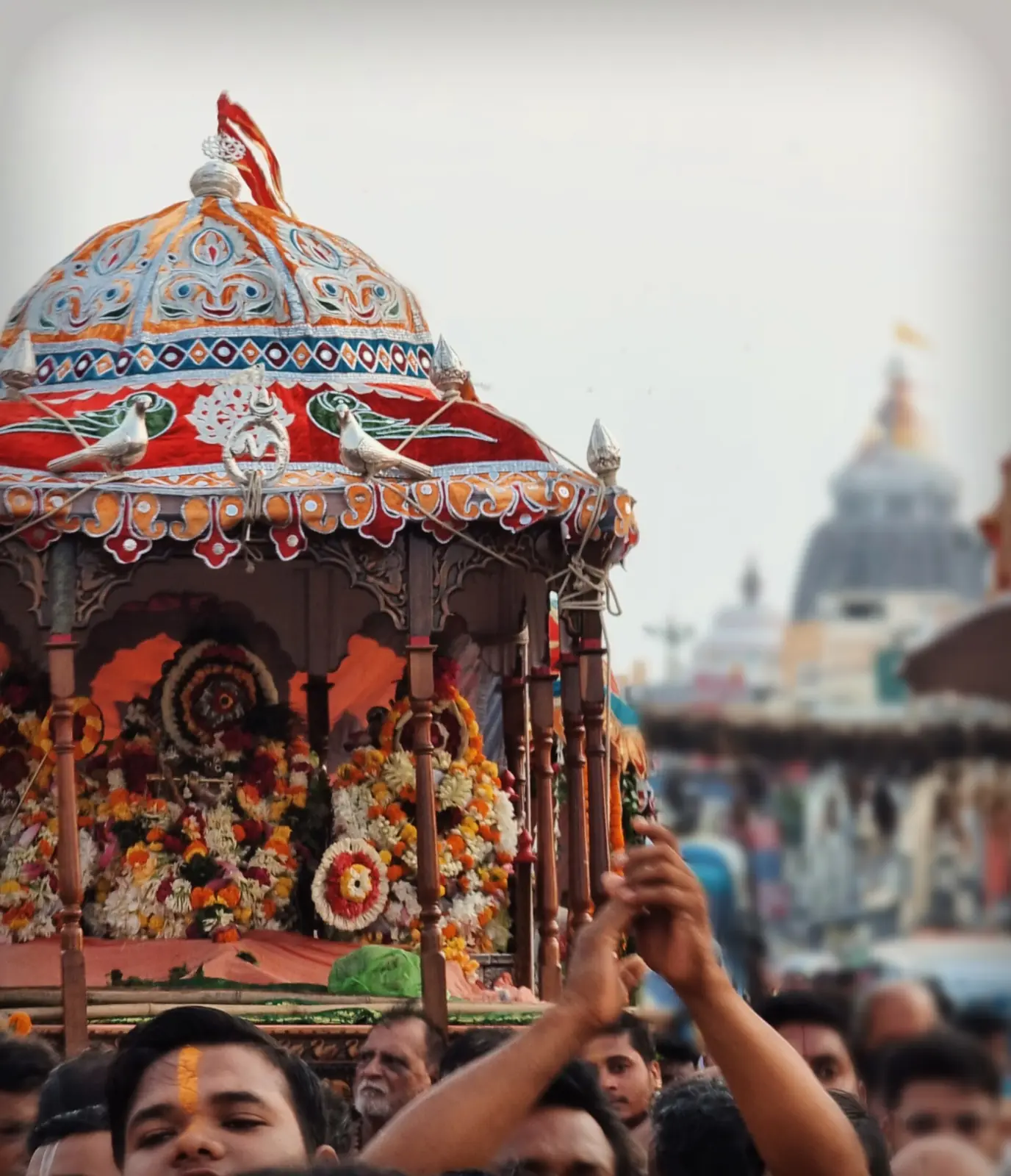 चंदन यात्राChandan Yatra, Puri
From Akshaya Tritiya, for forty-two days, the deities of Puri are cooled in summer with sandal. In the first twenty-one days, Bahara Chandana, the festival images go out to the Narendra Tirtha tank and sail on the boats Nanda and Bhadra. The last twenty-one, Bhitara Chandana, are inside the temple. Work on the Ratha Yatra chariots begins the same day.
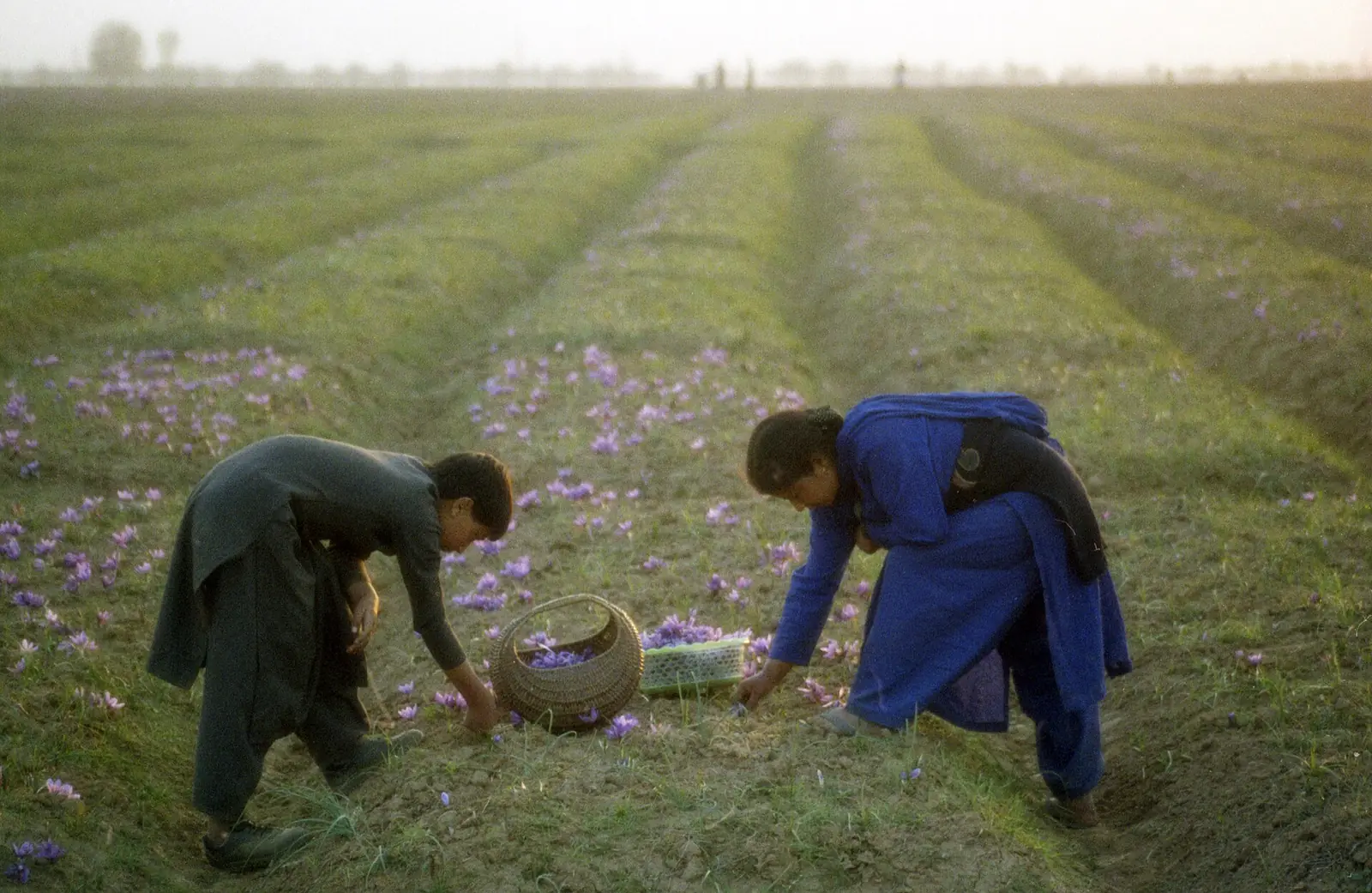 केसरKesar (saffron)
A few threads of saffron soaked in milk turn chandan gold and scent the payasam for the deity. Saffron is the stigma of a crocus, picked by hand in Kashmir in autumn. The Dharmashastra lists it with sandalwood, aloeswood, camphor and musk among the substances of fragrance.
कपूरKapur (camphor)Camphor burns to nothing and leaves no ash, so the last aarti of the day is a camphor flame. Its white is Shiva's colour: the aarti verse praises him as karpura-gauram, white as camphor. The plate circles from the deity's feet up and never above the head.
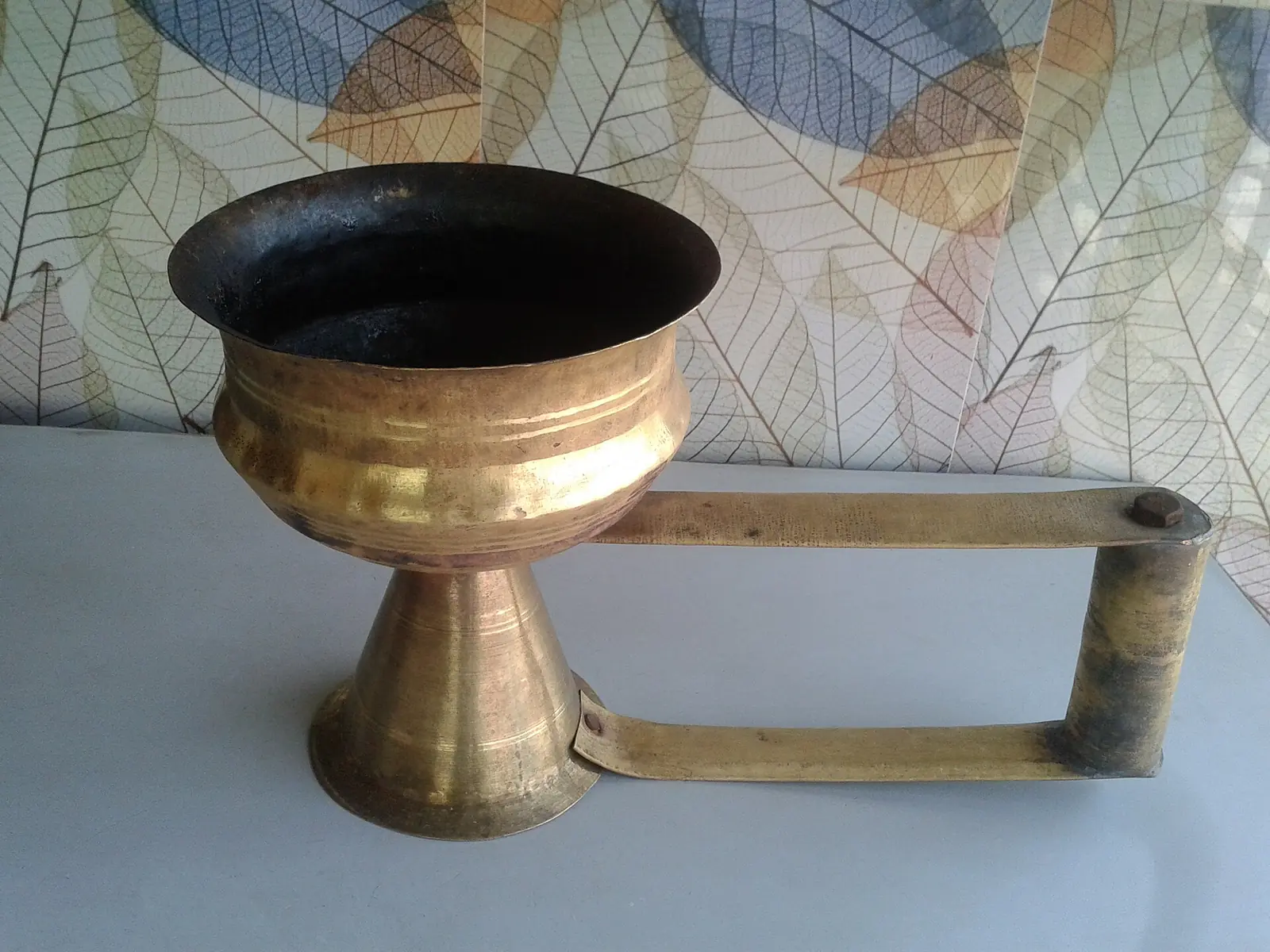 धूप / गुग्गुलDhoop and guggul
Guggul, the resin of Commiphora wightii, smoulders on coals for dhupa, the third of the five offerings. Dhoop is the older form: a cone or stick with no bamboo core. In Bengal the brass dhunuchi is filled with burning coconut husk and resin and danced before Durga at Sandhi Puja.
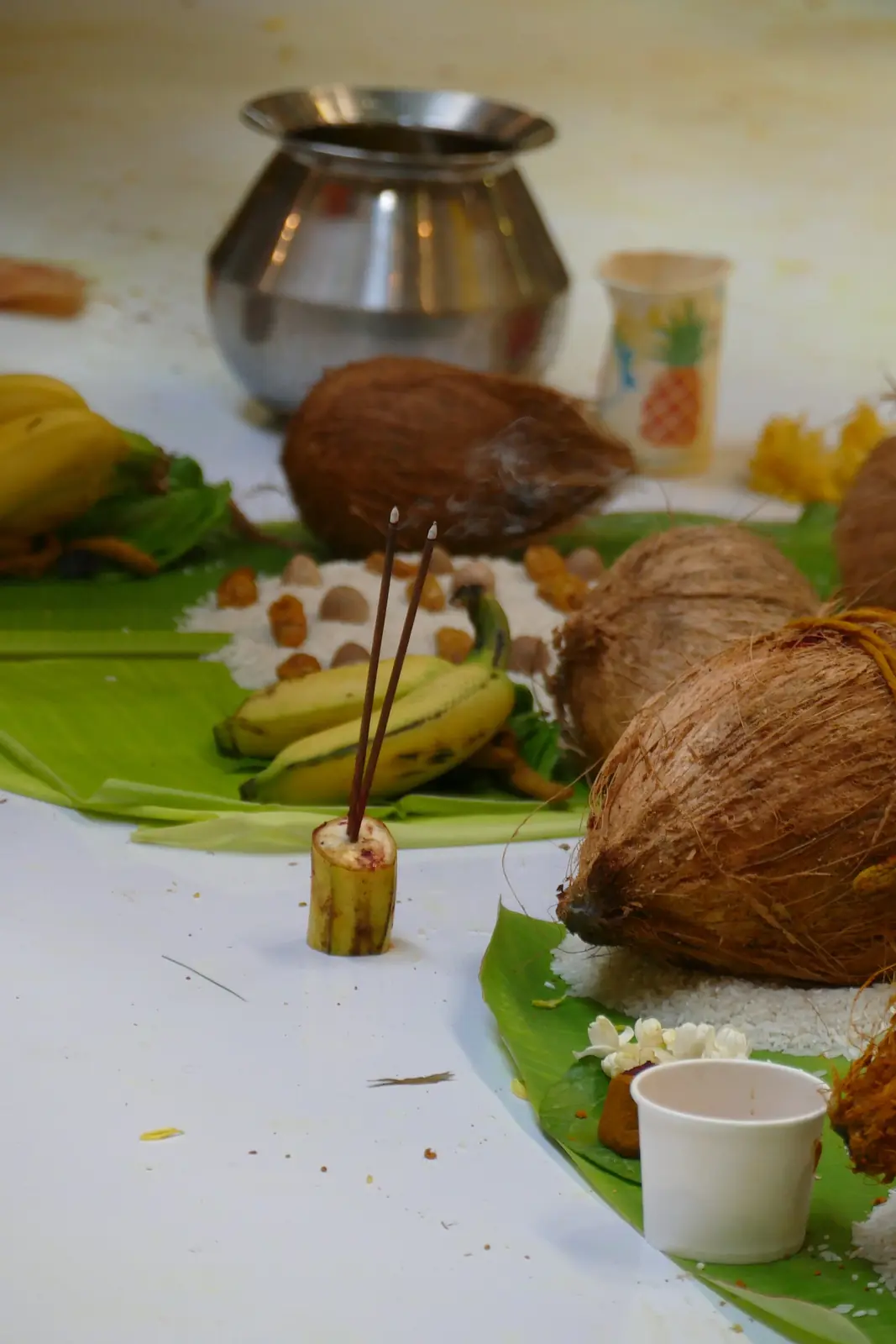 अगरबत्तीAgarbatti
Mysore and Bengaluru are the centres of India's scented agarbatti, and Mysore Agarbathi holds a GI tag. A paste of charcoal or sawdust and gum is rolled on a bamboo stick, then dipped in perfume; the old way rolled in a powdered masala. At Tirumala, flowers taken off the deities are now turned into incense.
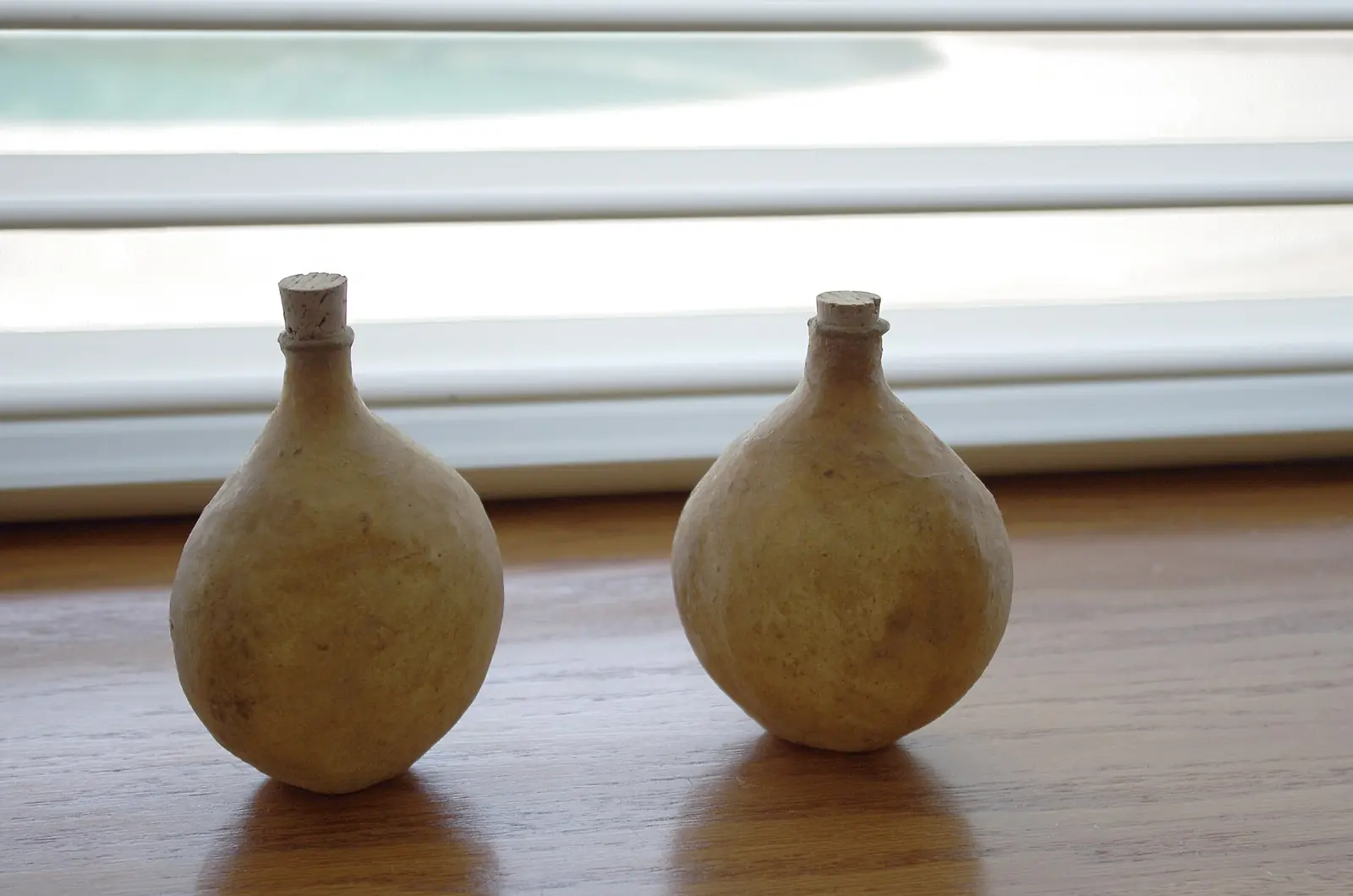 मिट्टी अत्तरMitti attar, Kannauj
In Kannauj they bake earth in a kiln and distil it into sandalwood oil, and it smells of the first rain. The baked clay is boiled in a copper deg sealed with clay; the vapour runs down a bamboo pipe into a bhapka of sandal oil, which takes up the scent. Kannauj Perfume is GI-tagged. A batch takes over a month.
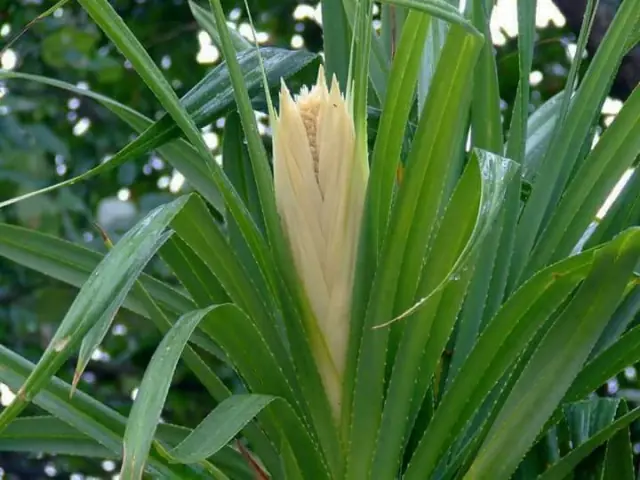 केवड़ा जलKewda water and rooh
The fragrance of a North Indian wedding feast often comes from Ganjam kewda, distilled on the Odisha coast. Odisha grows over ninety per cent of India's kewda. Ganjam Kewda Flower and Ganjam Kewda Rooh were filed for GI together in 2010 by the Ganjam Kewda Development Trust.
 खसKhus (vetiver)
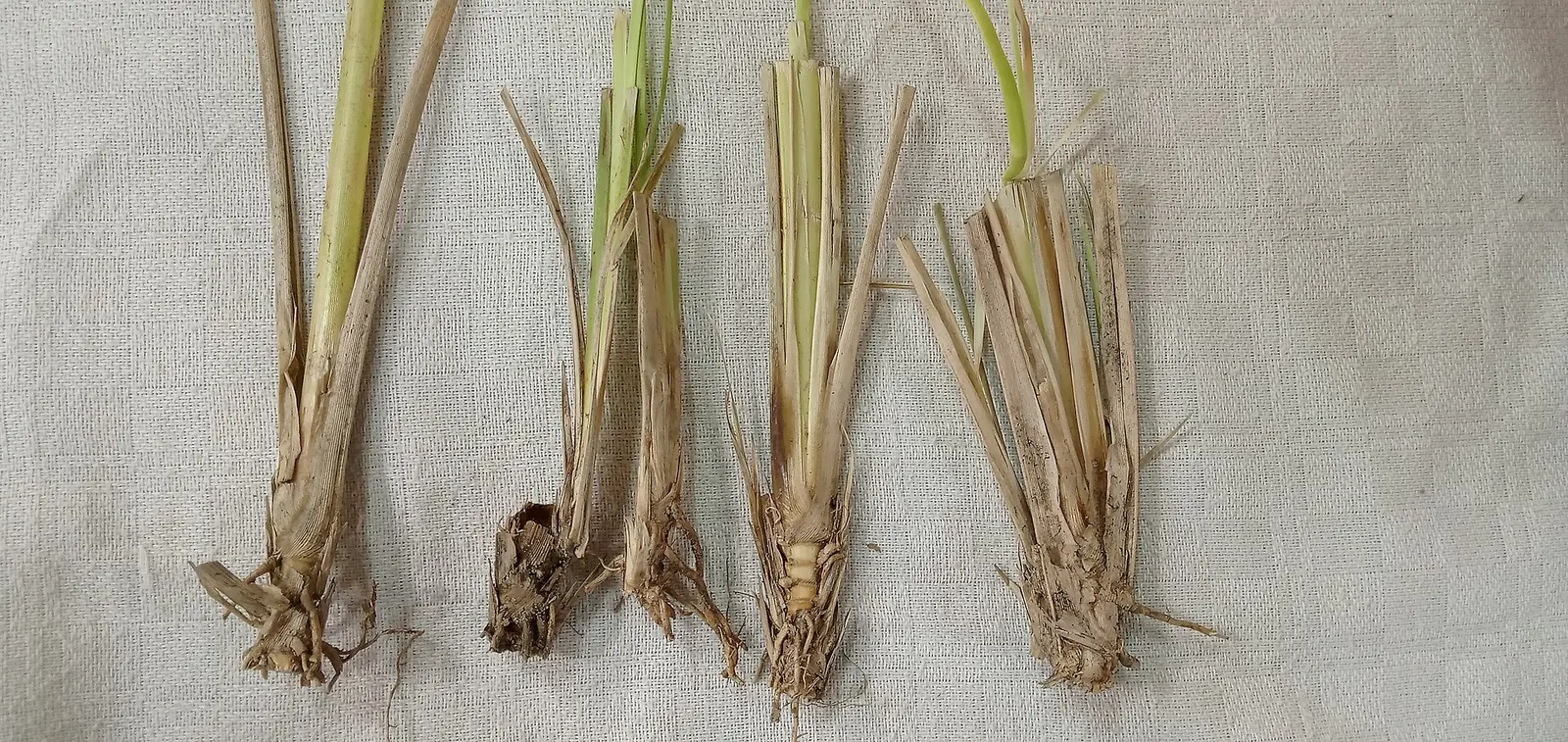
Khus is the root of a grass; wet it and it gives off a cool, green, earthy smell. Mats of khus root are hung in doorways in the summer and sprinkled with water. At Nathdwara the summer seva for Shrinathji uses khus and sandal to keep the Lord cool.

 वरमाला / जयमालाVarmala (jaimala)
 गजरा / वेणीGajra and veni
 मदुरै मल्लीMadurai malli string
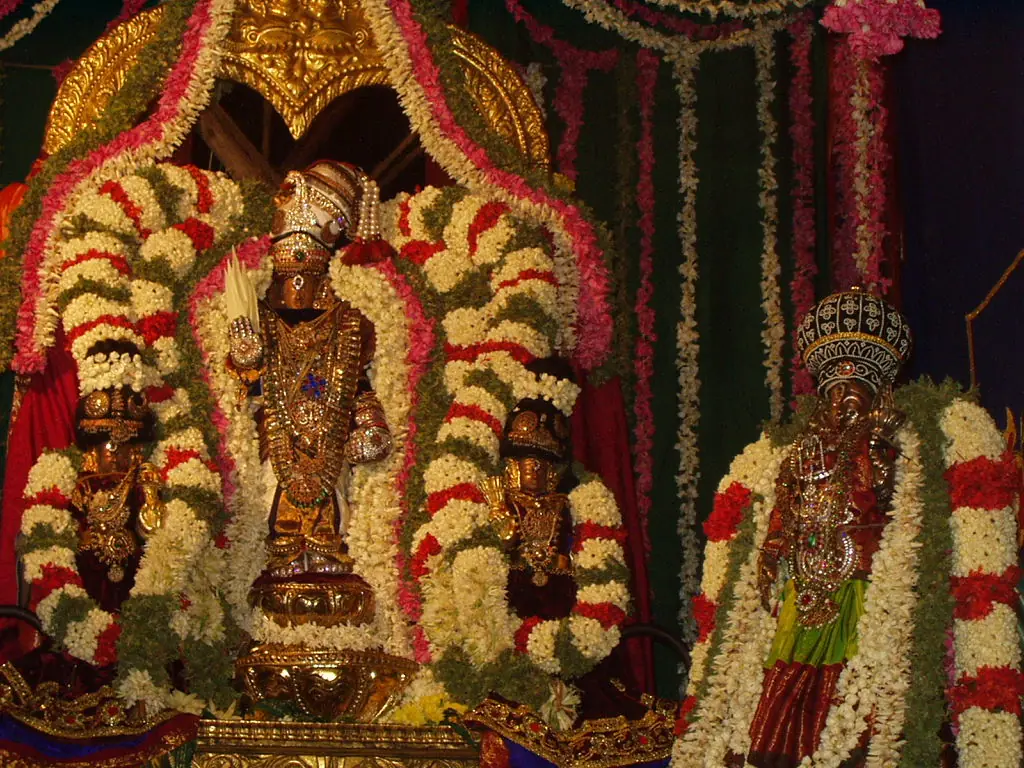 मालाThe temple malai
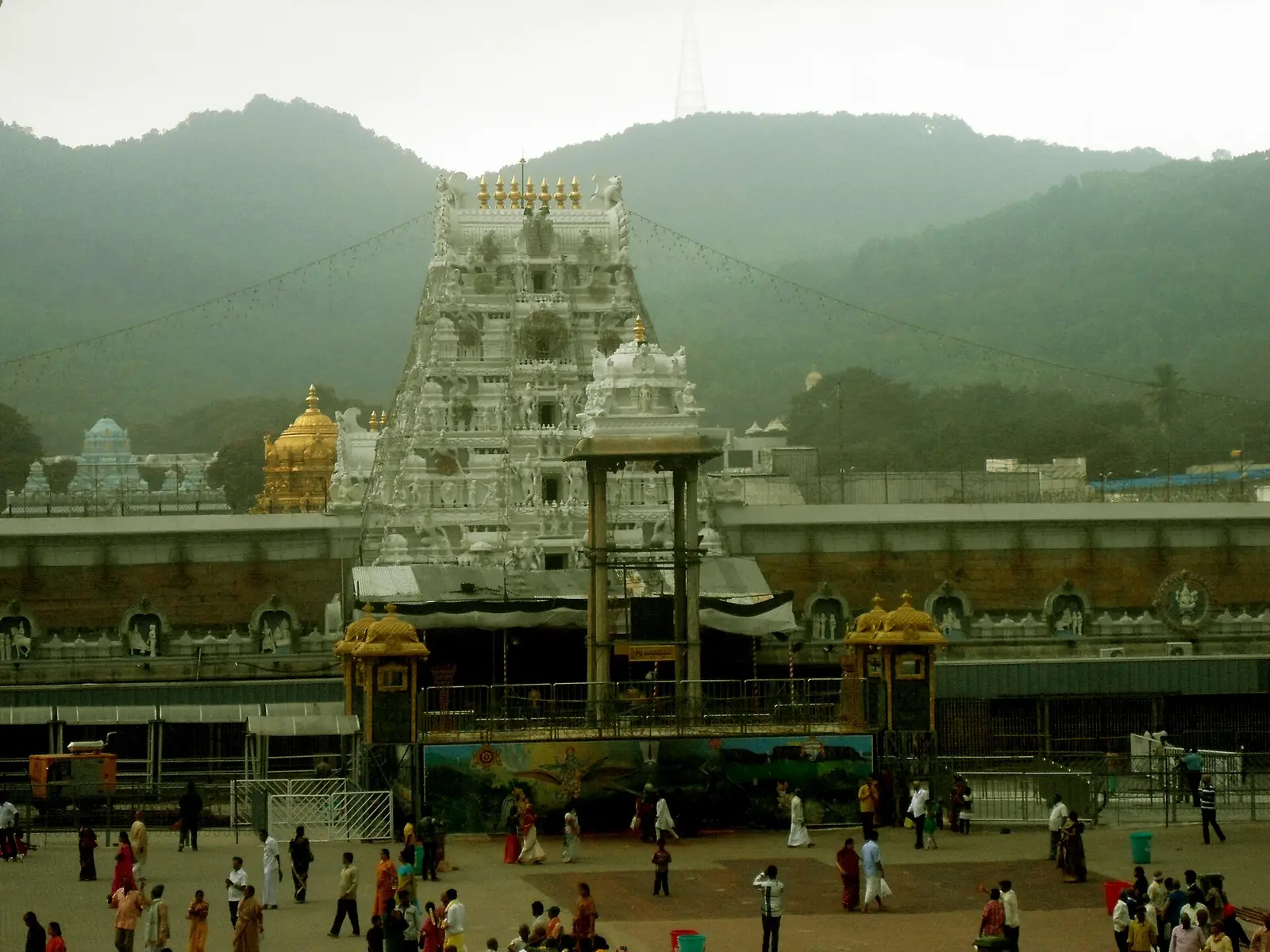 तोमाला सेवाThomala Seva, Tirumala
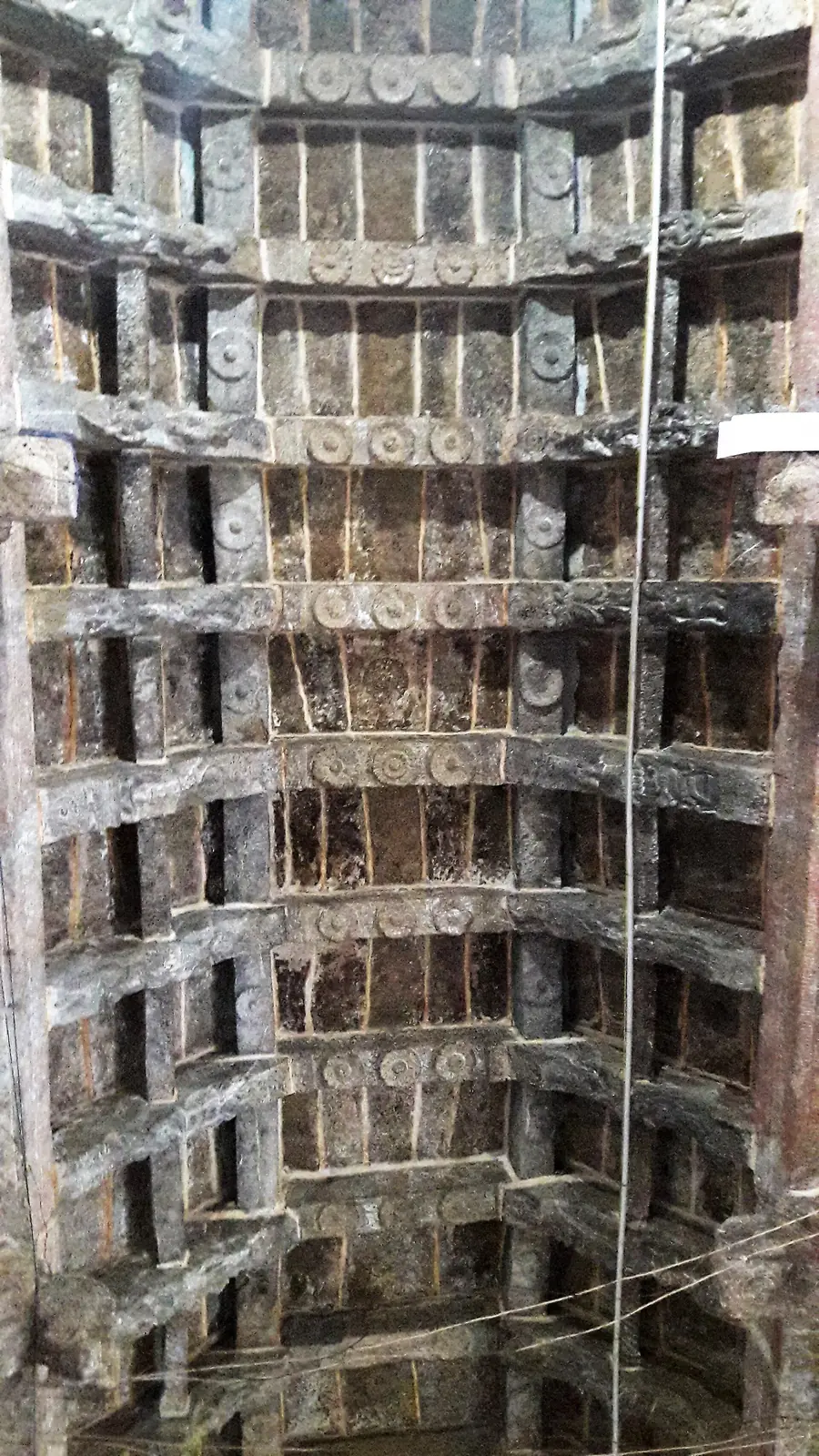 आण्डाल की मालाAndal's garland
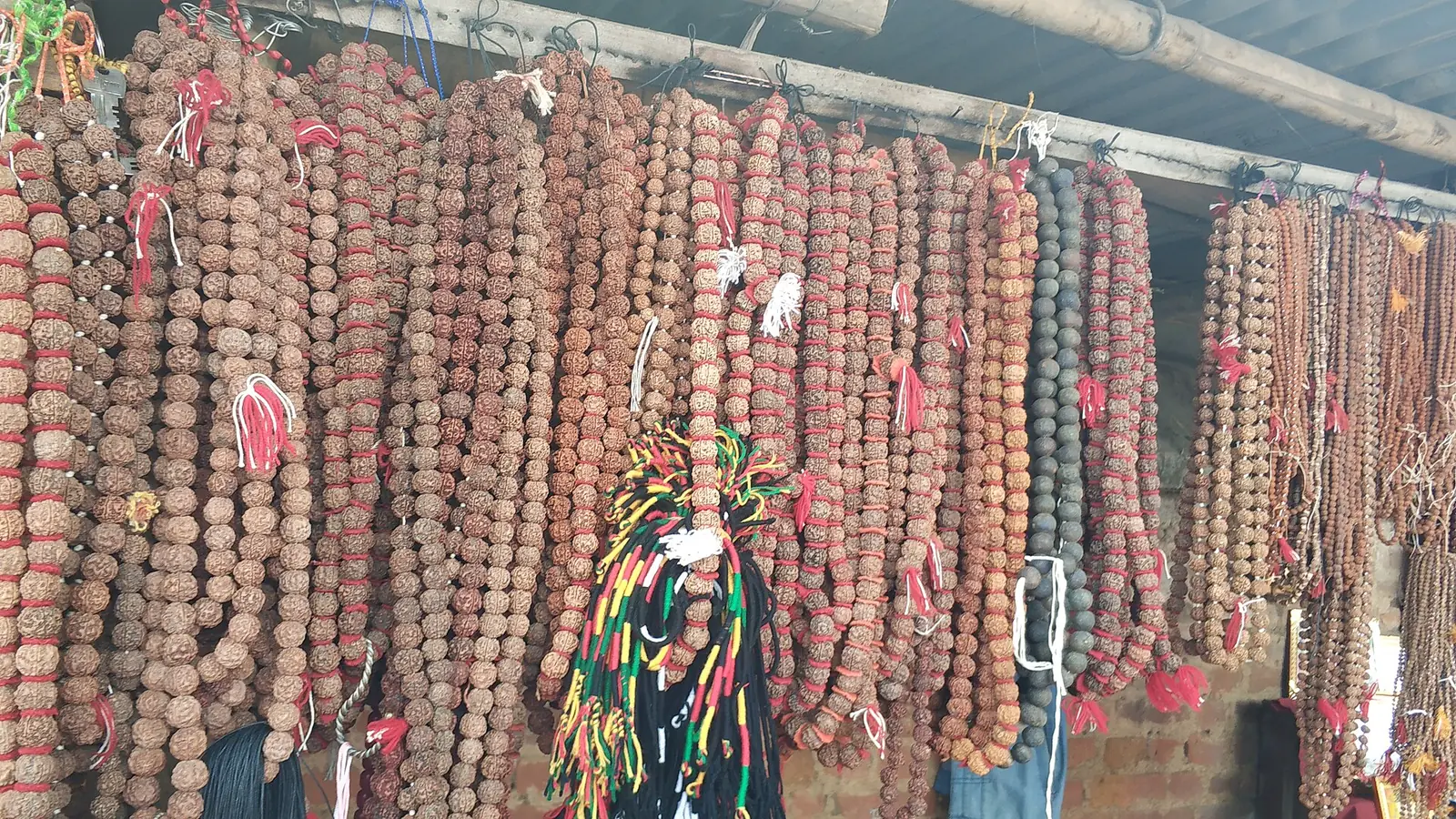 रुद्राक्ष मालाRudraksha mala
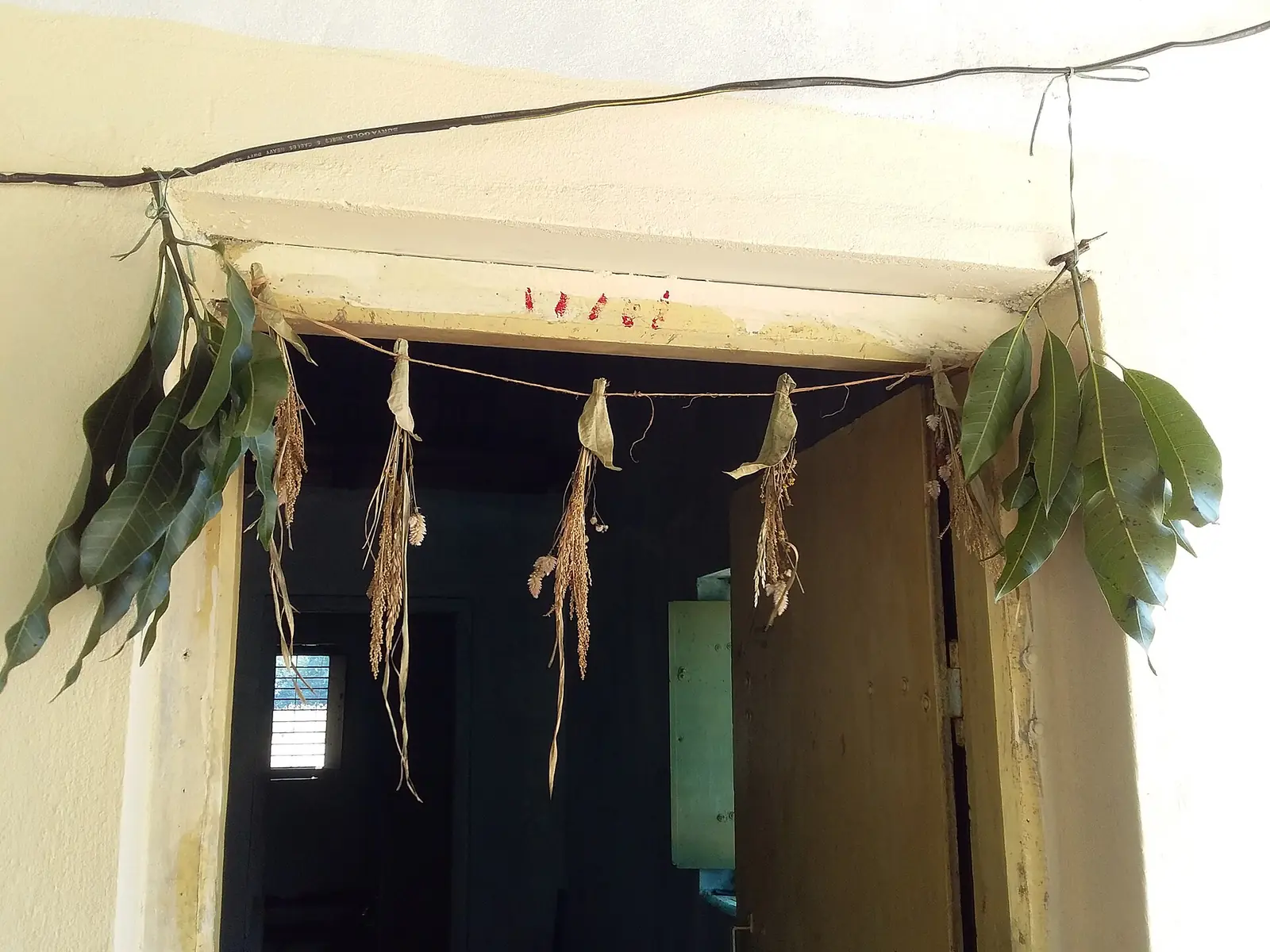 तोरण / बंदनवारToran of mango leaves