
Vishnu’s discus is Sudarshana, "fair to behold". It spins on his finger and returns after striking. In bronzes it is often shown with flames along its rim.
Held by Vishnu, Krishna, Durga, VaishnaviDeities
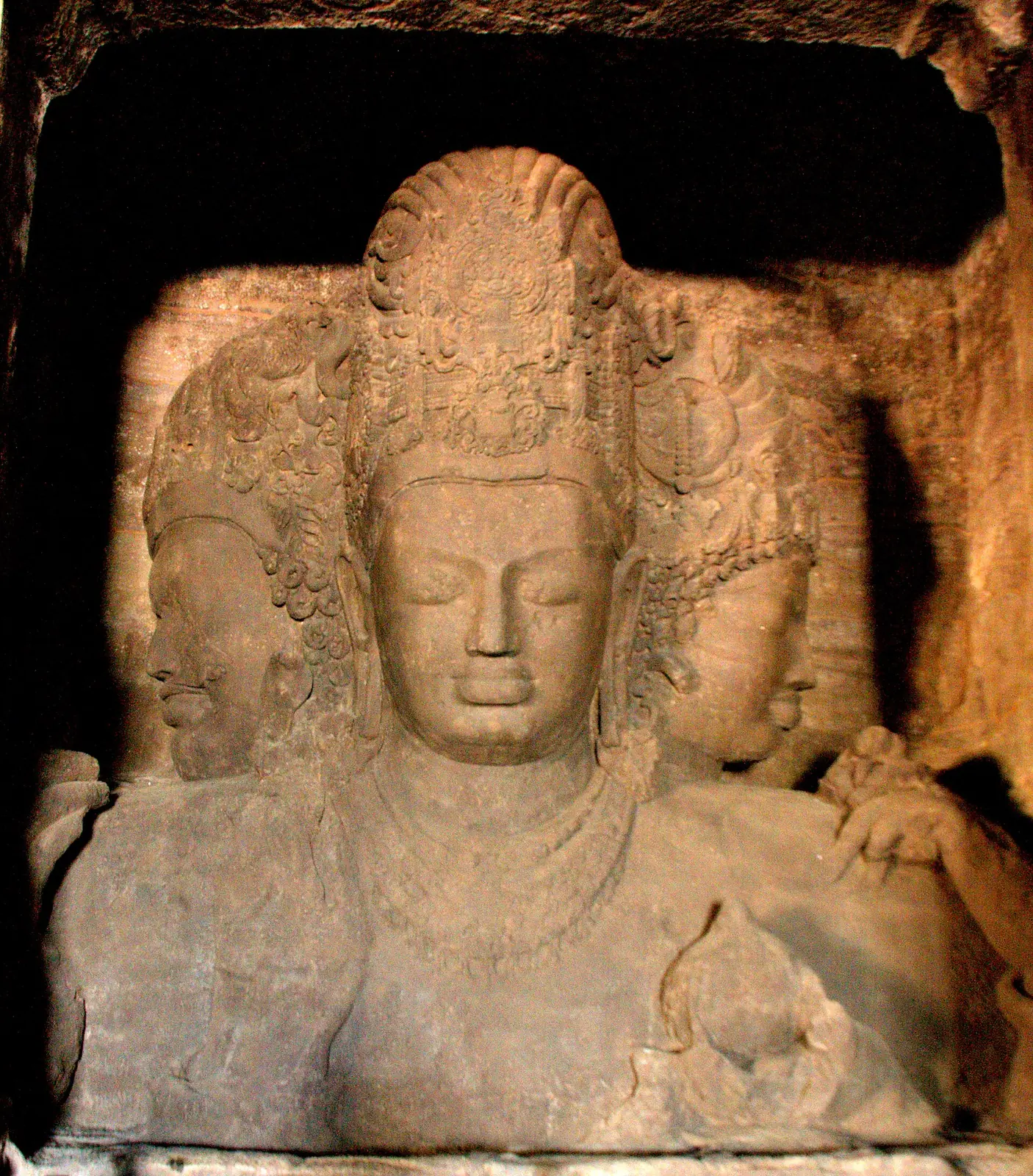 Shivaभगवान शिव
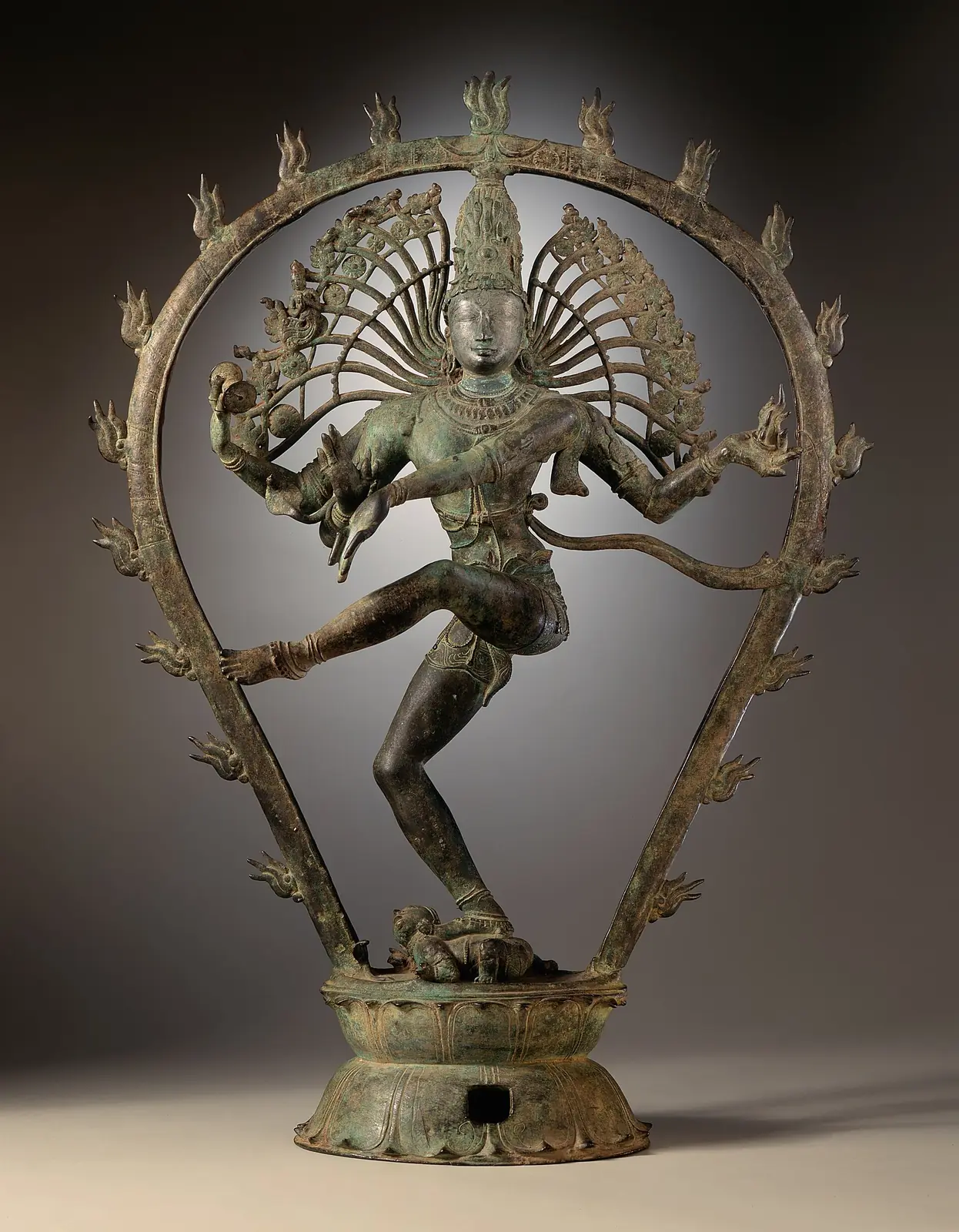 Natarajaनटराज
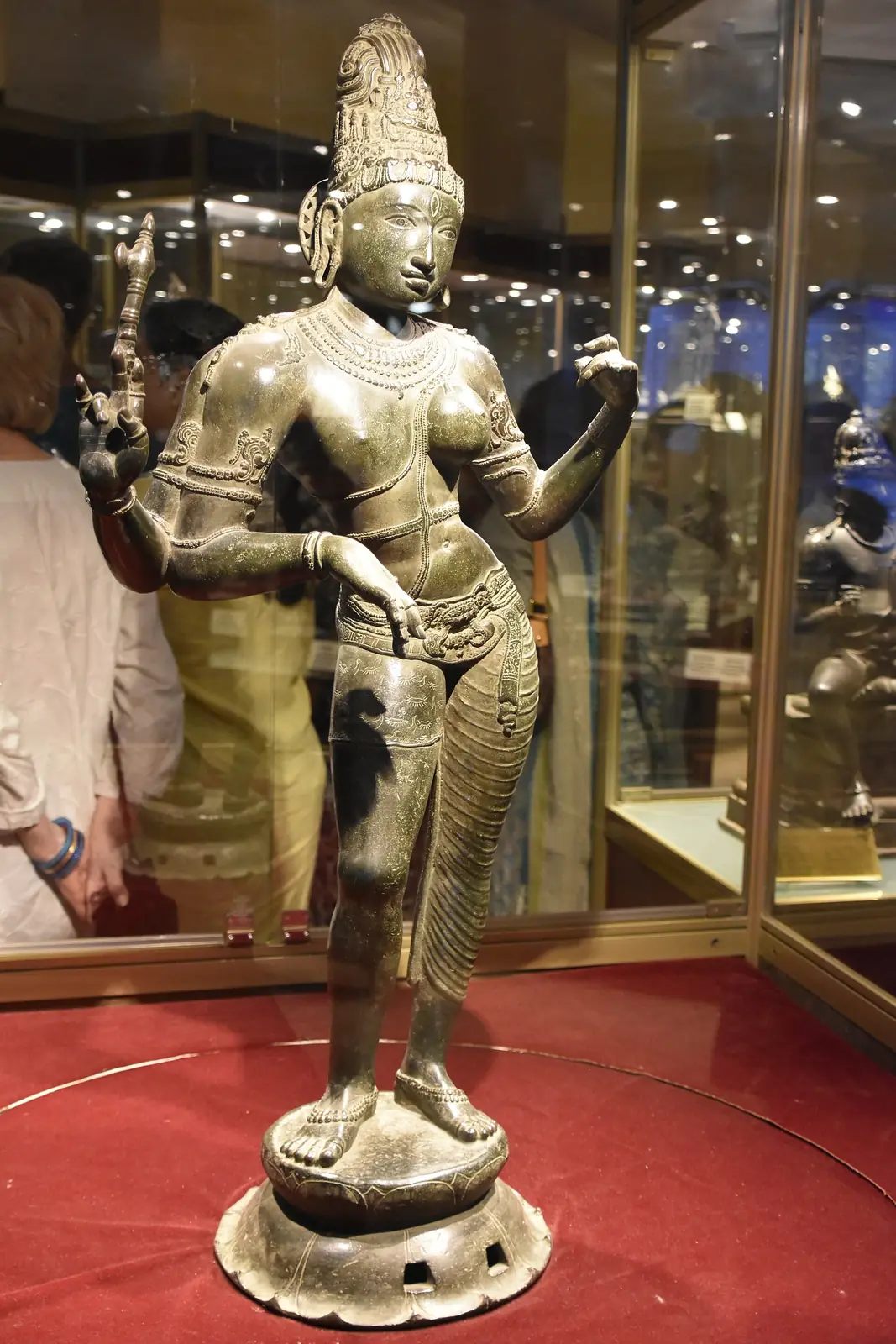 Ardhanarishvaraअर्धनारीश्वर
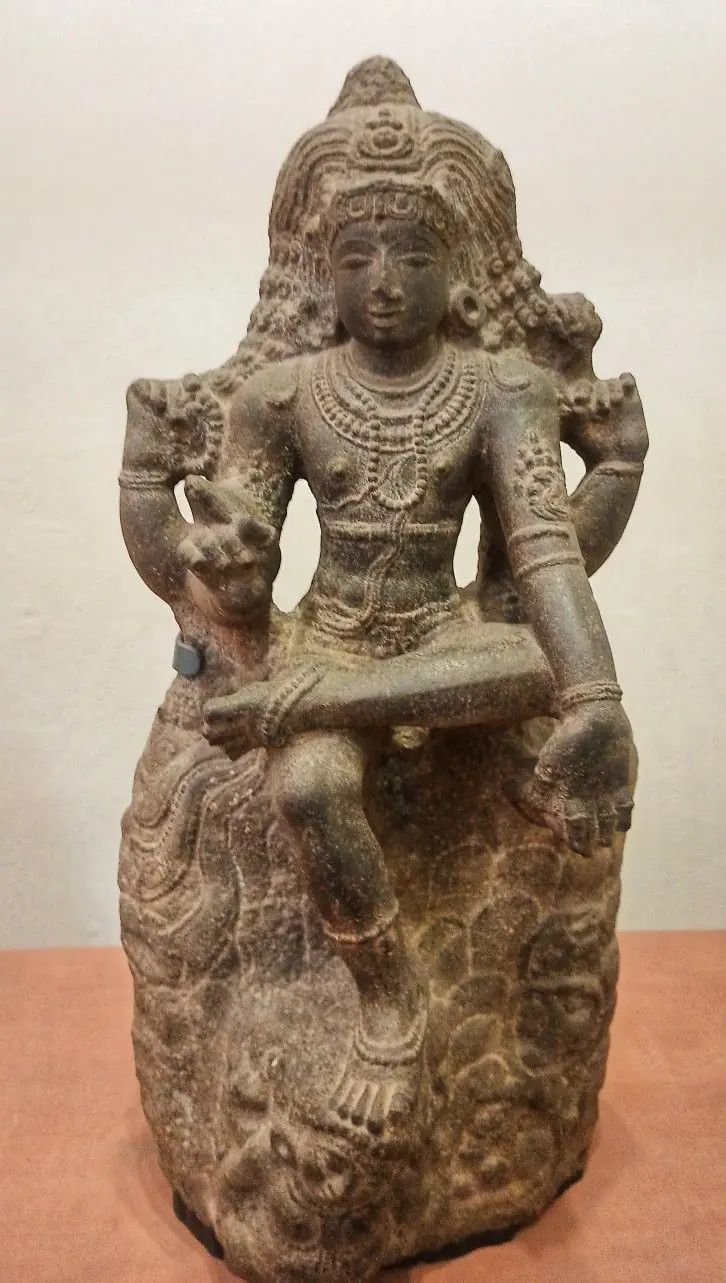 Dakshinamurtiदक्षिणामूर्ति
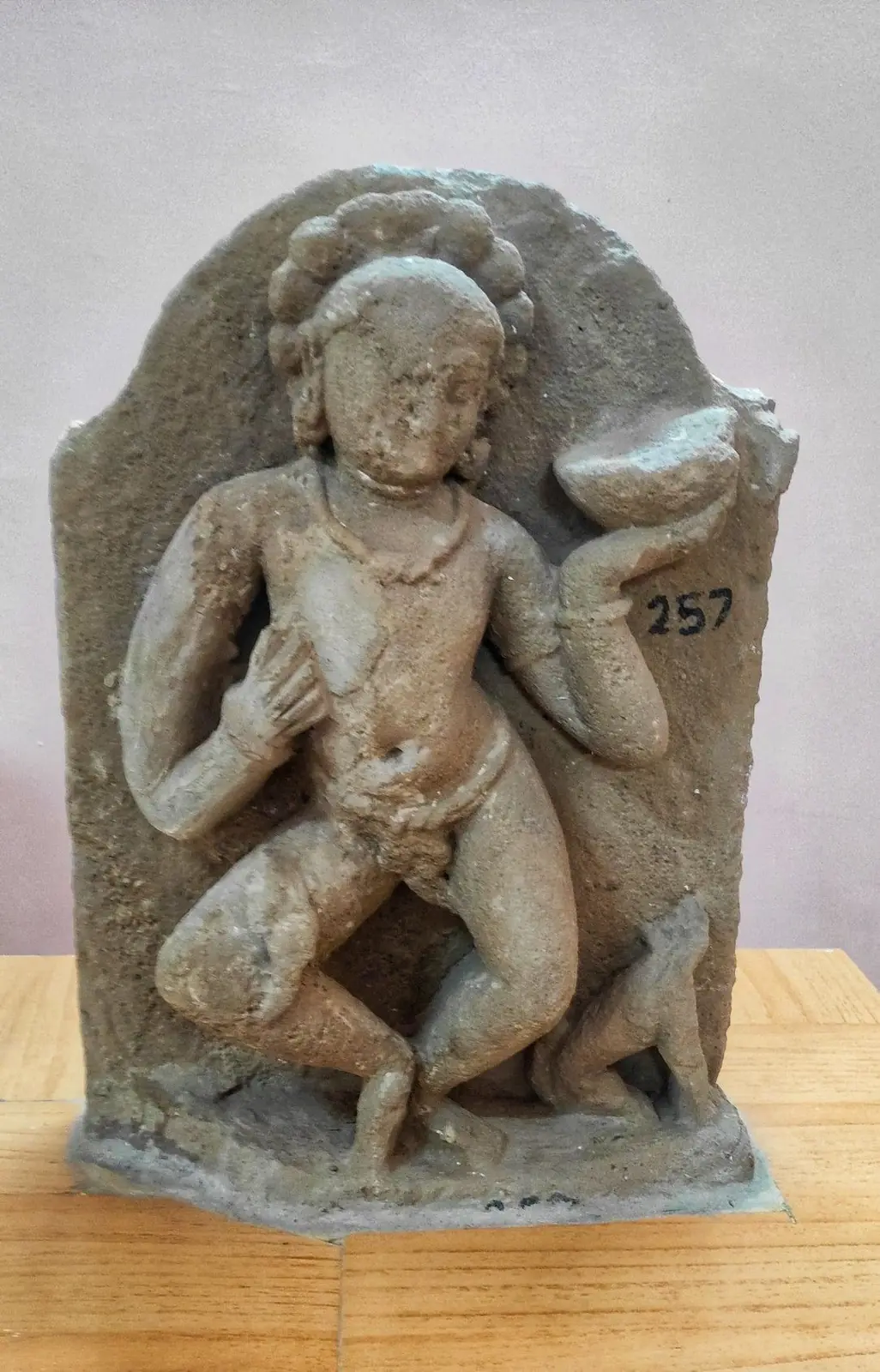 Bhairavaभैरव
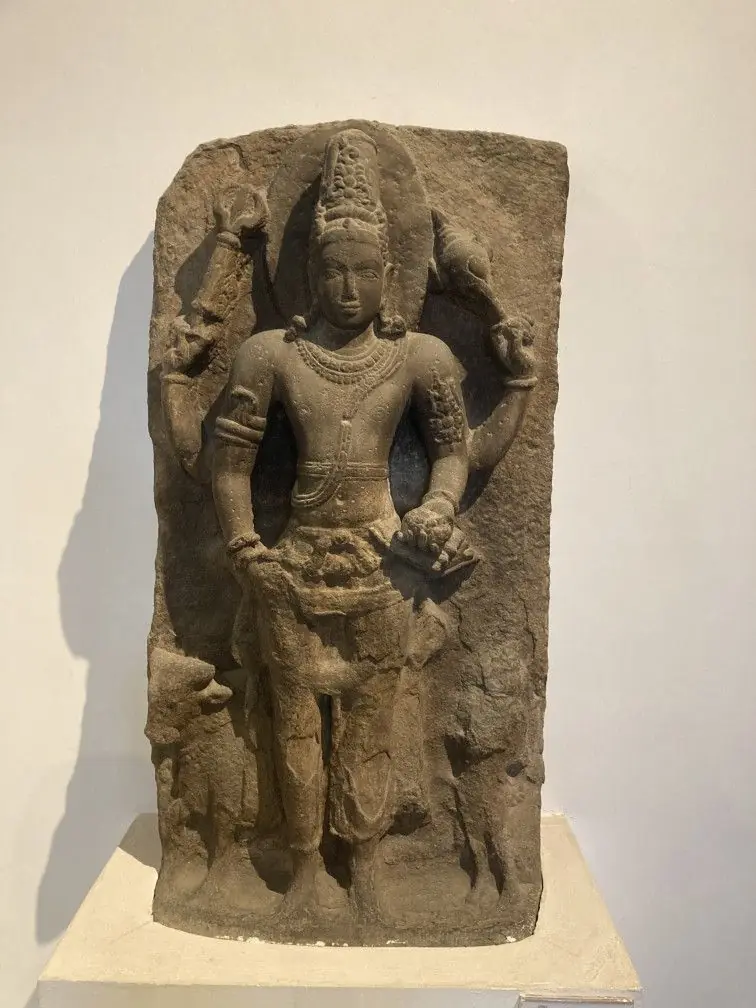 Hariharaहरिहर
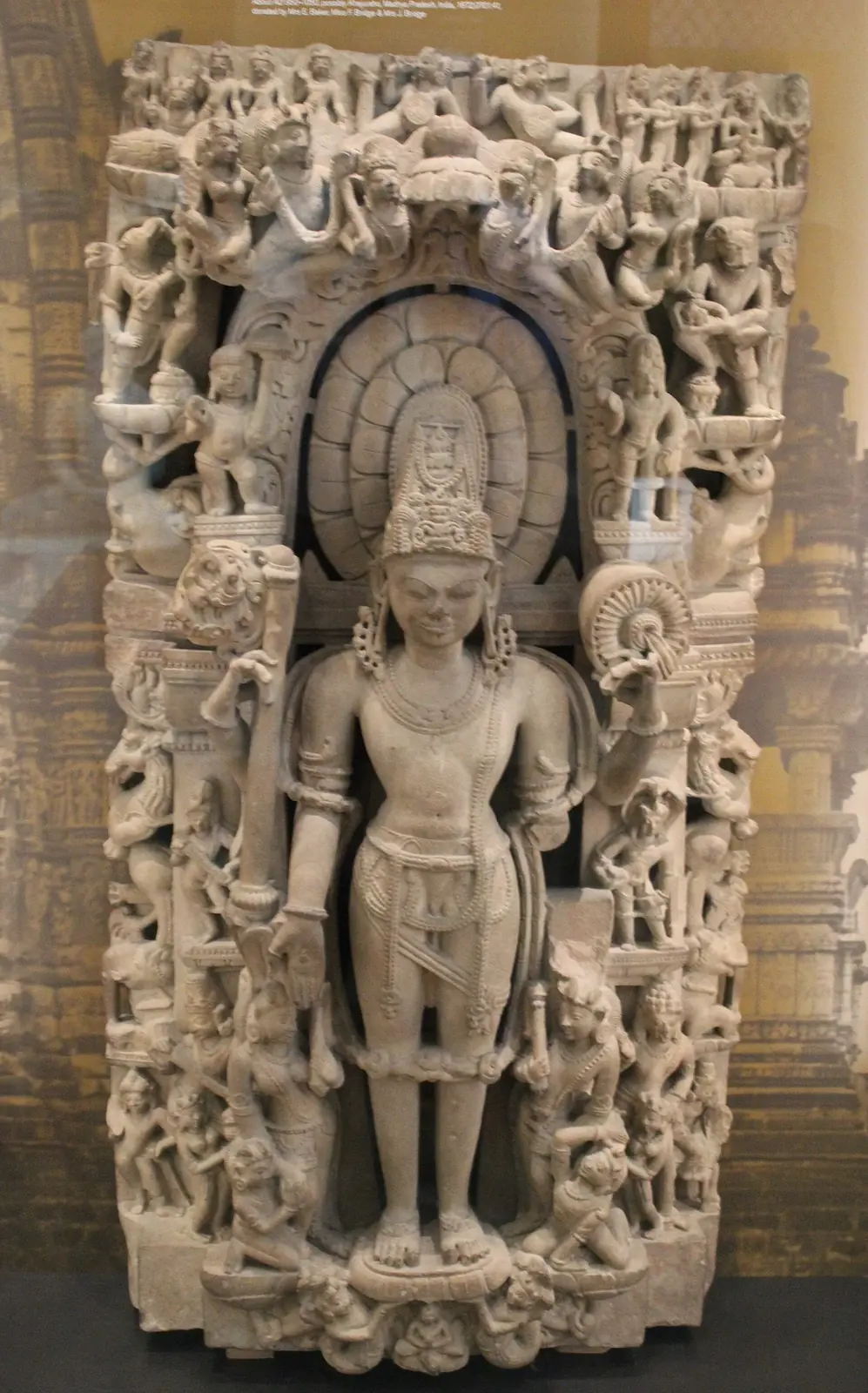 Vishnuभगवान विष्णु
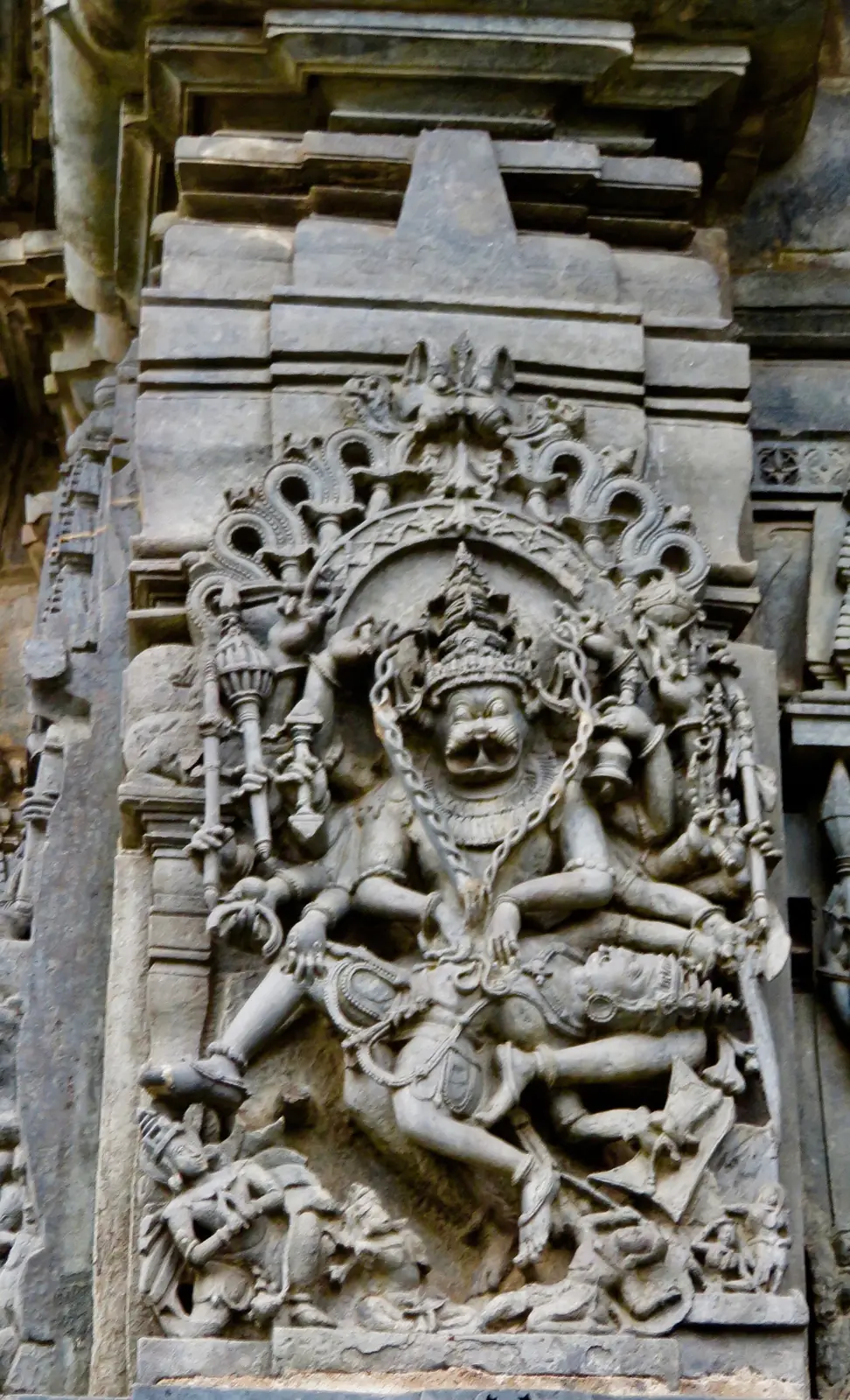 Narasimhaनृसिंह
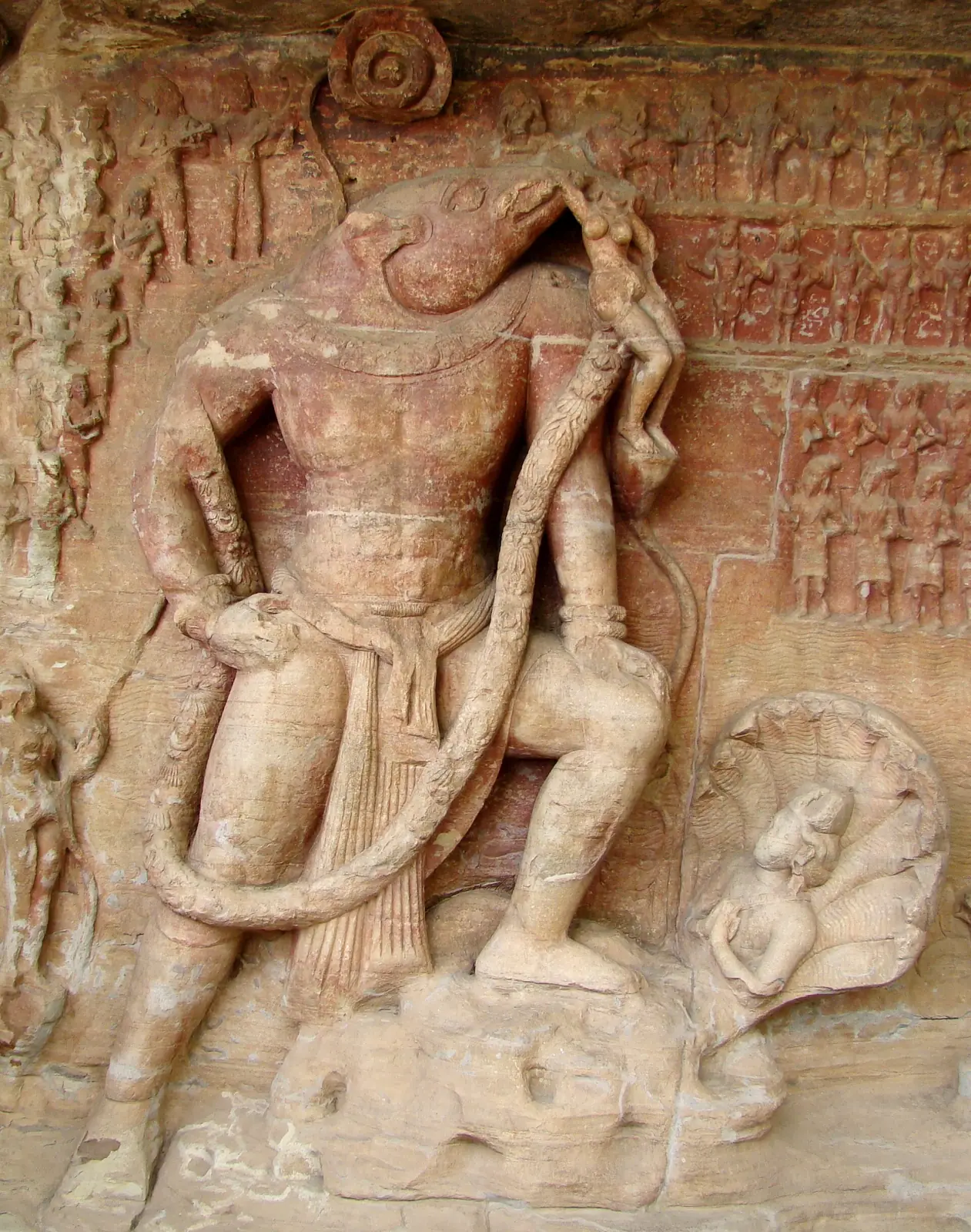 Varahaवराह
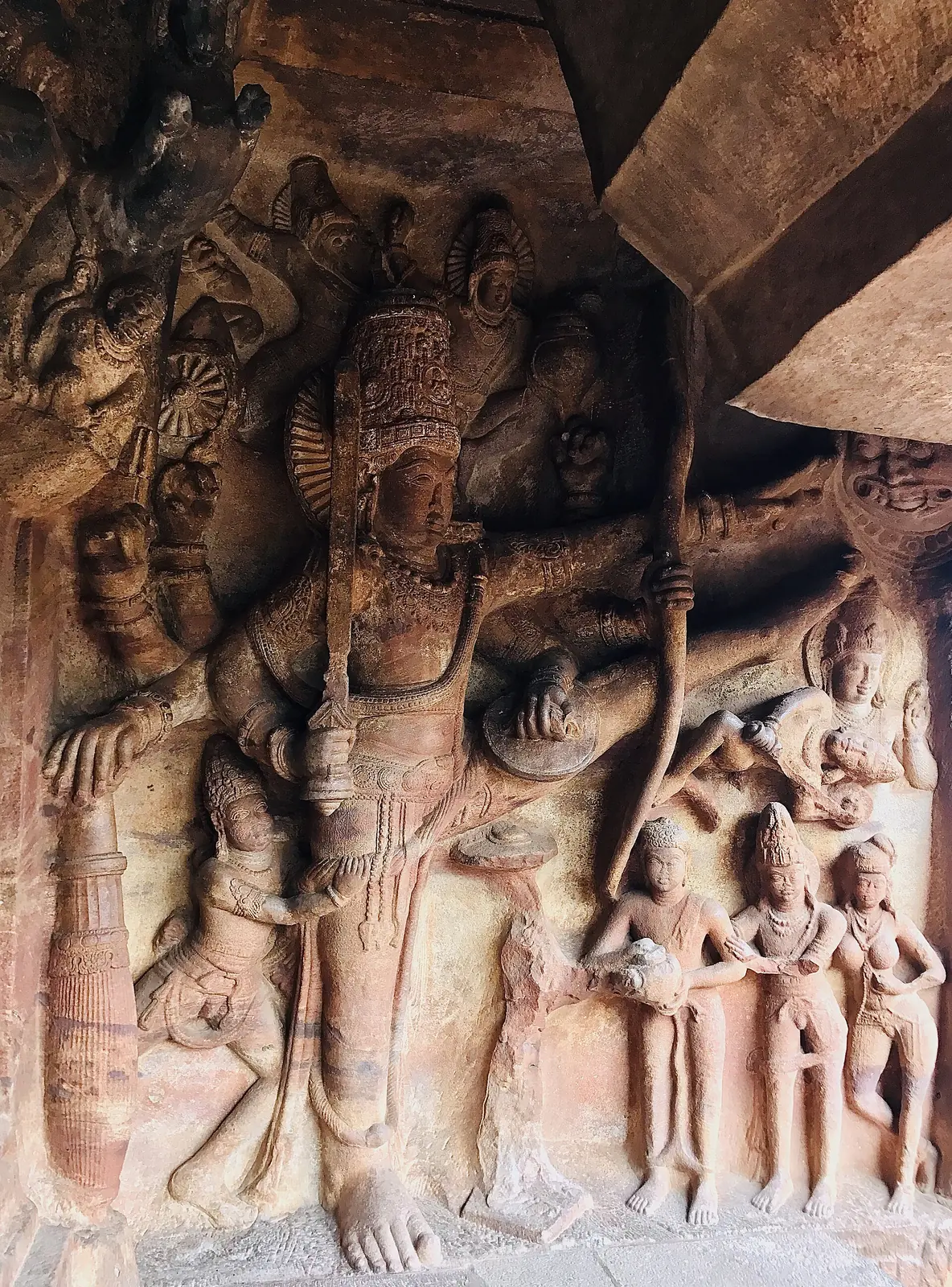 Trivikrama (Vamana)त्रिविक्रम
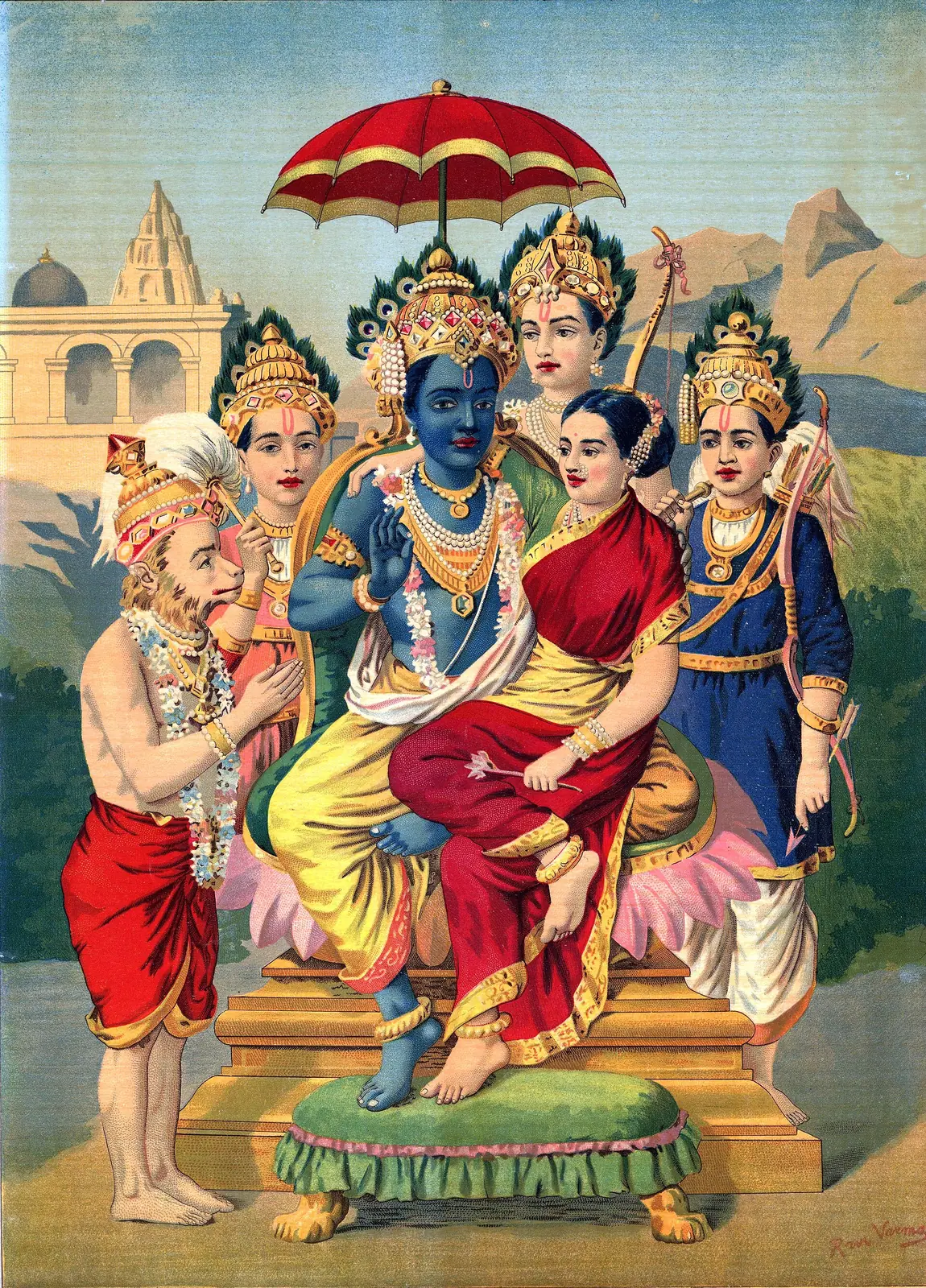 Shri Ramaश्रीराम
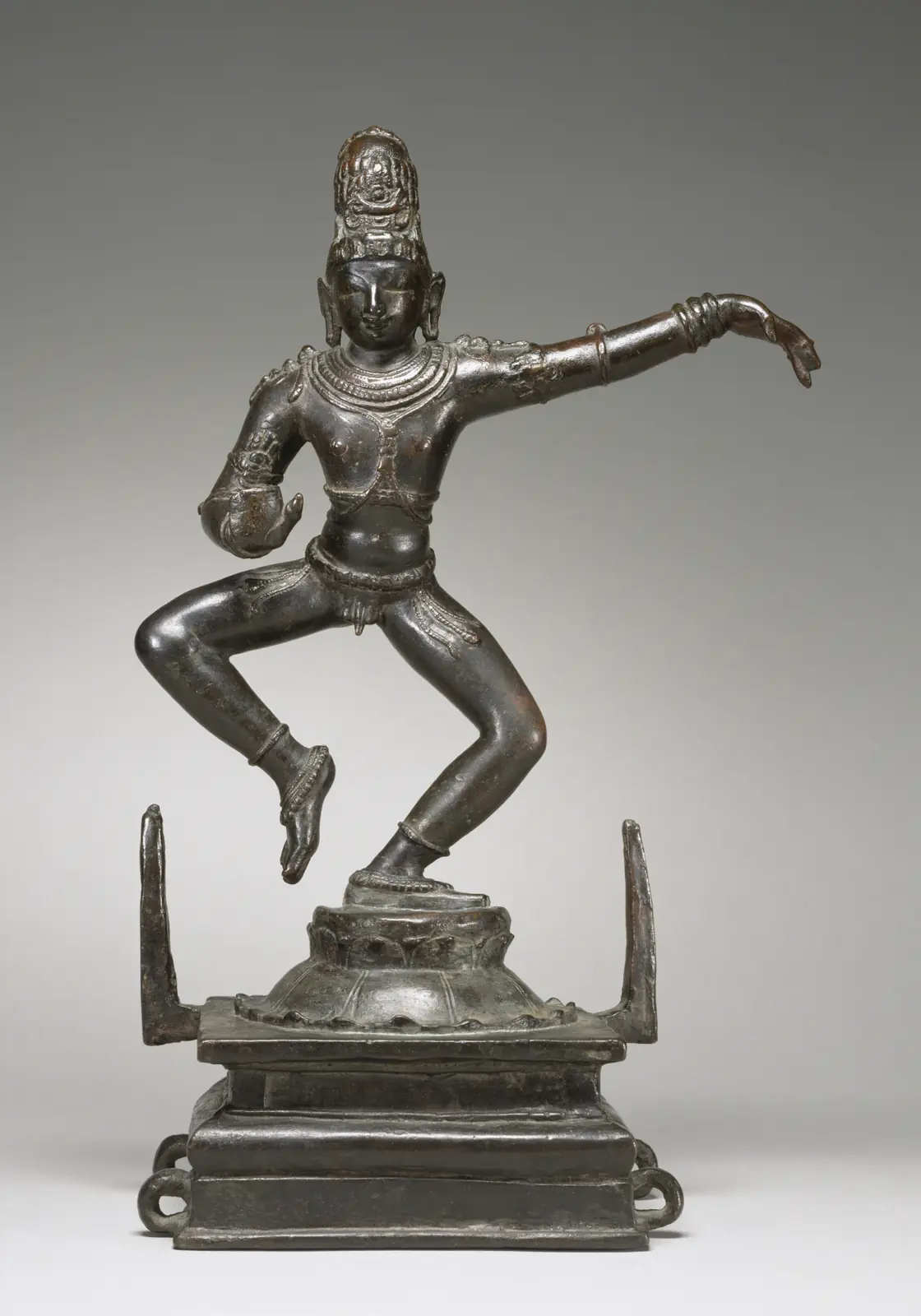 Shri Krishnaश्रीकृष्ण
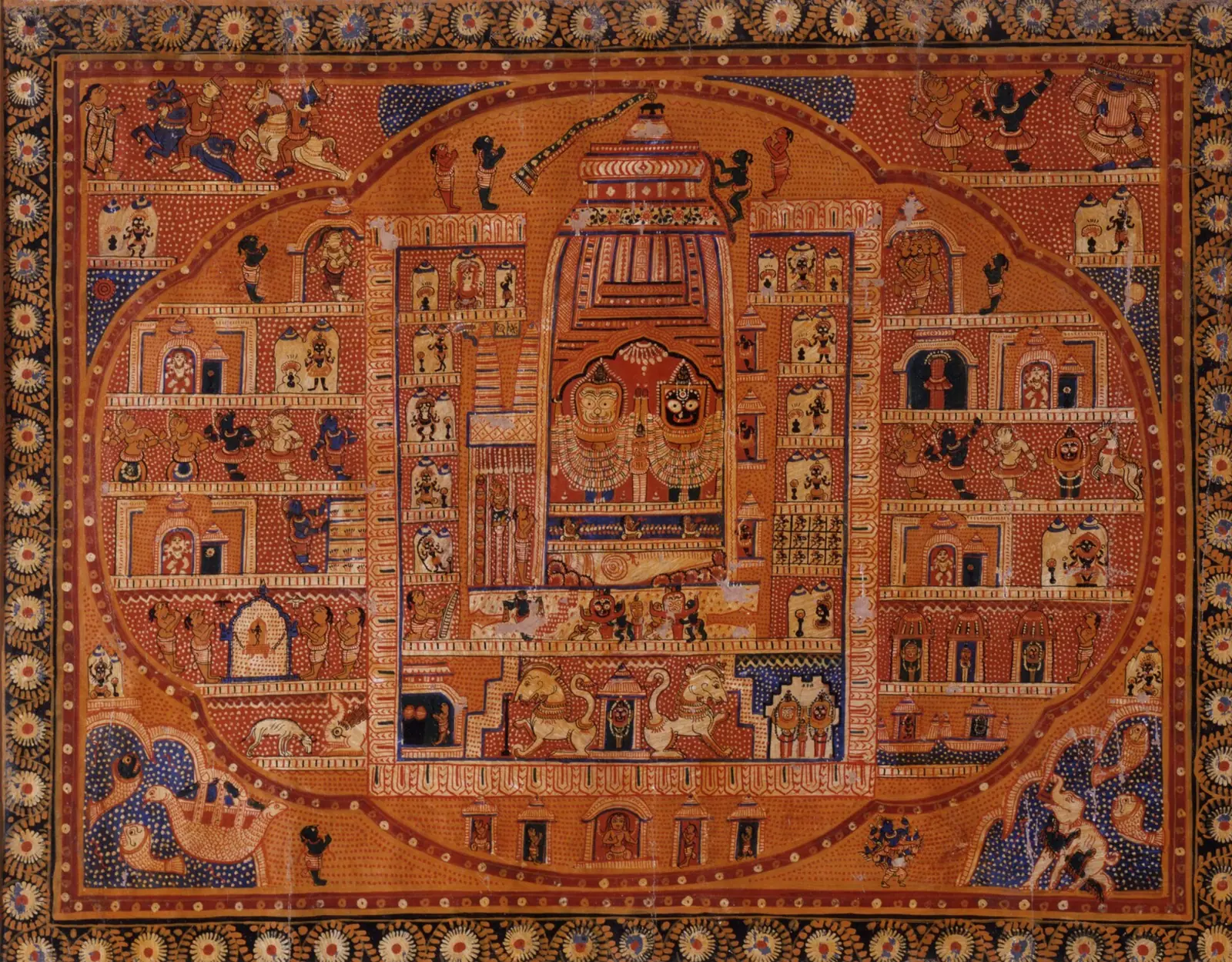 Jagannathजगन्नाथ
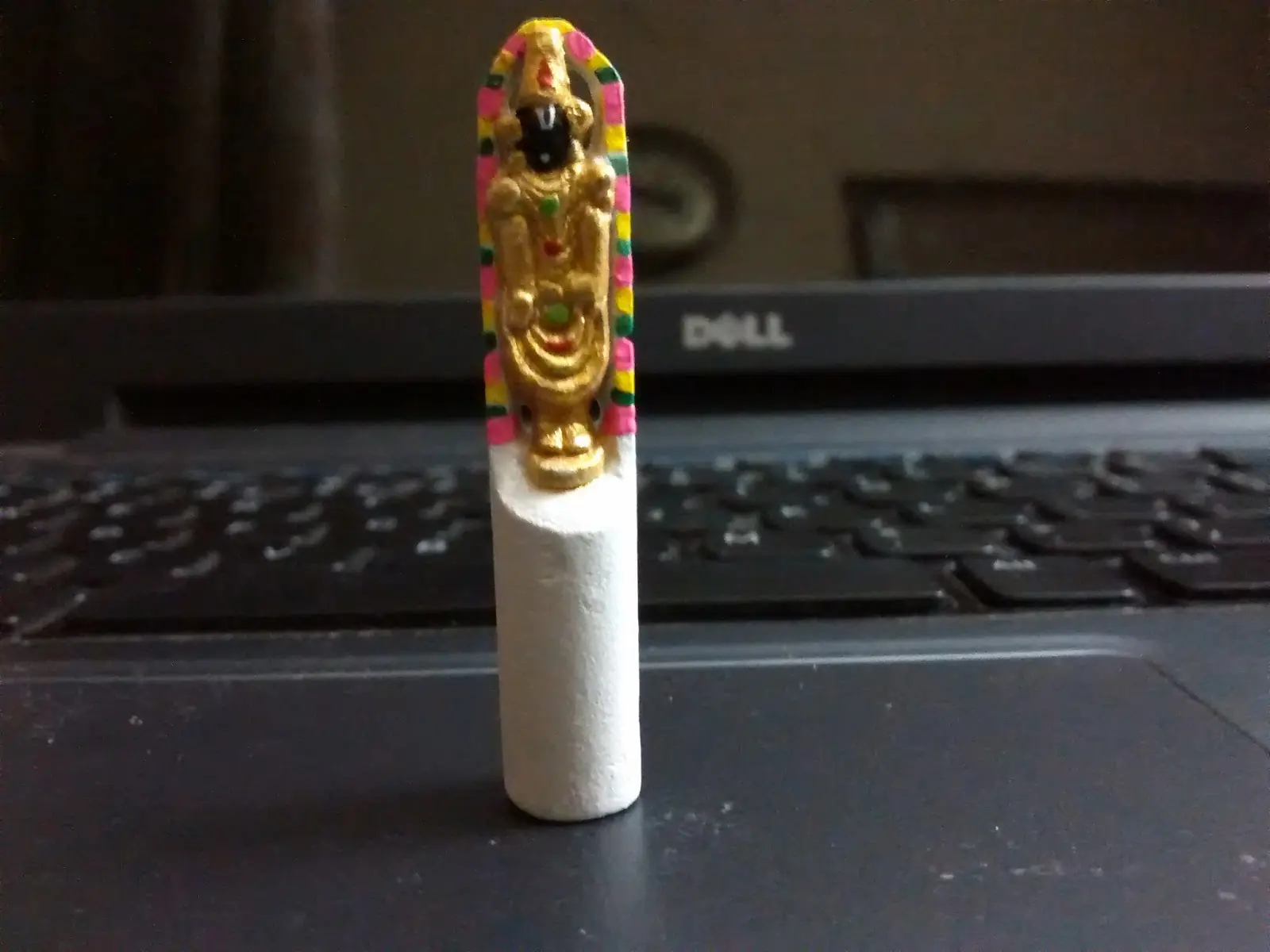 Venkateswaraवेंकटेश्वर
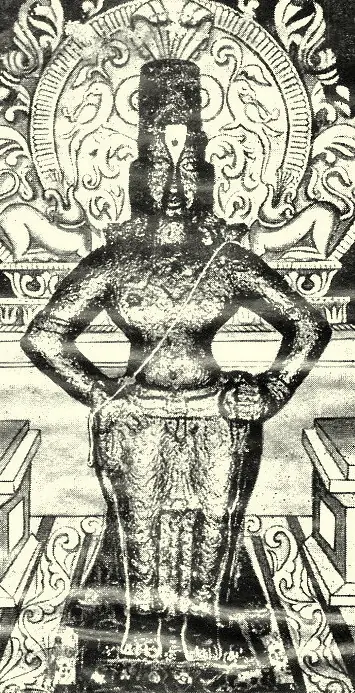 Vithobaविठोबा
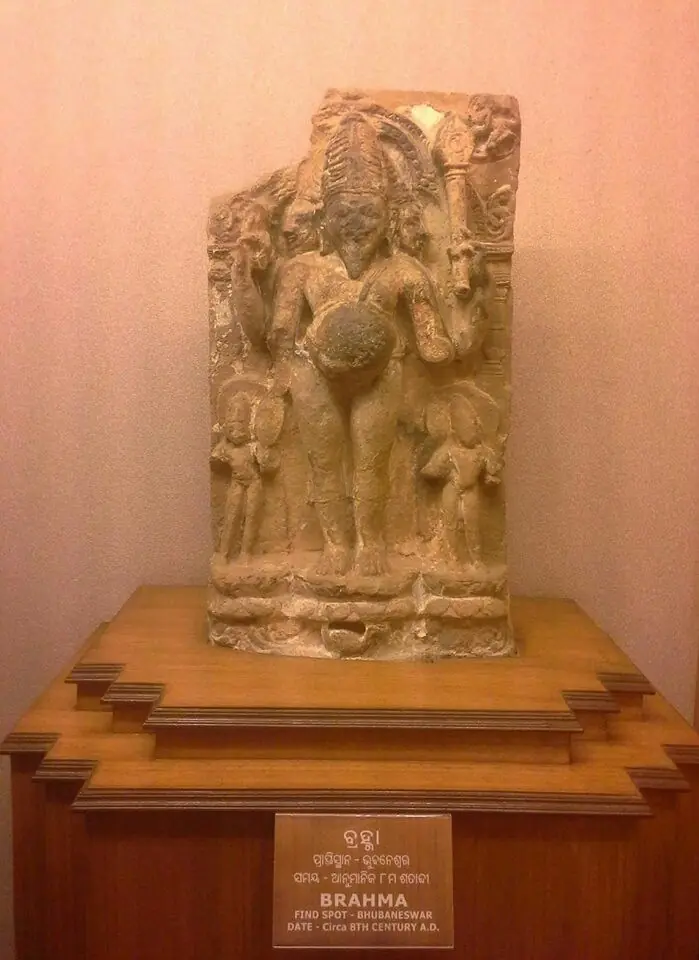 Brahmaभगवान ब्रह्मा
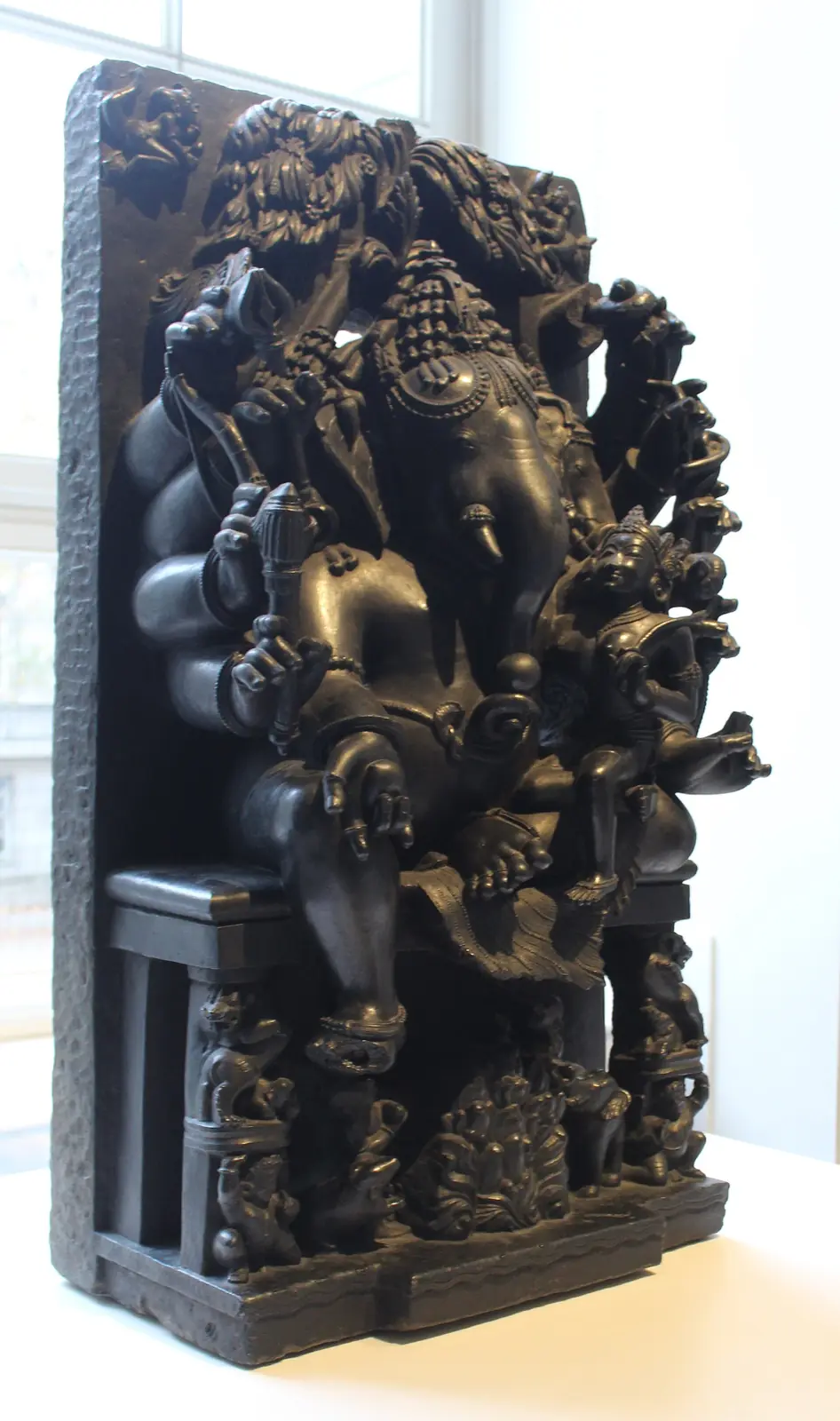 Shri Ganeshaश्री गणेश
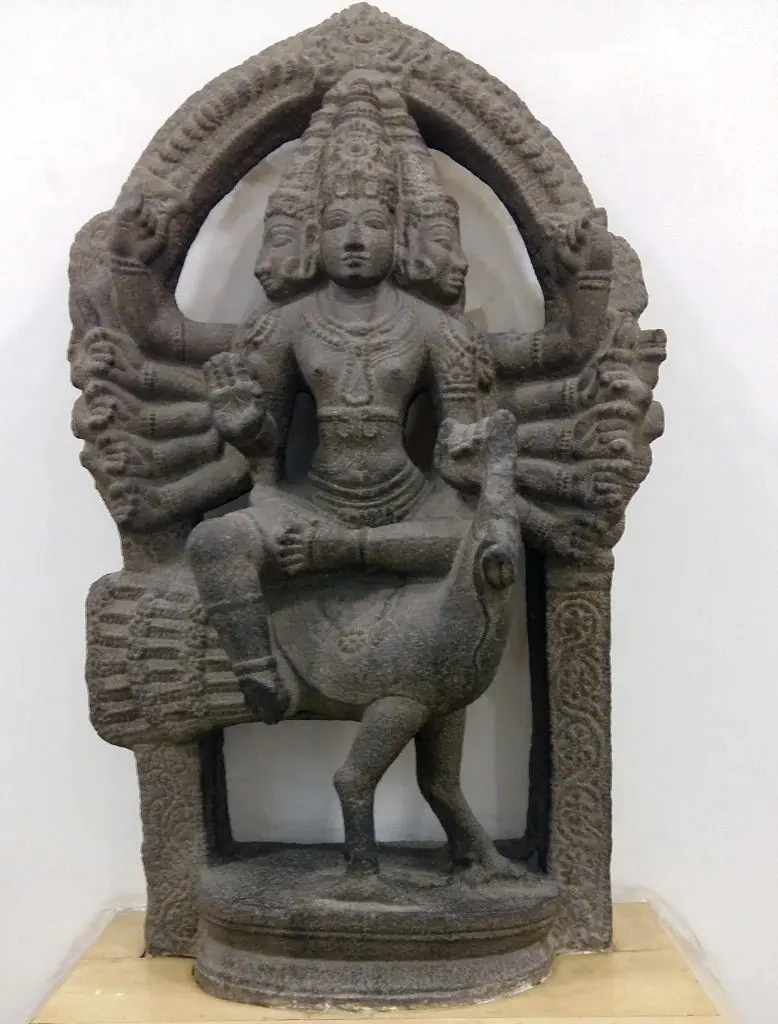 Kartikeya (Murugan)कार्तिकेय
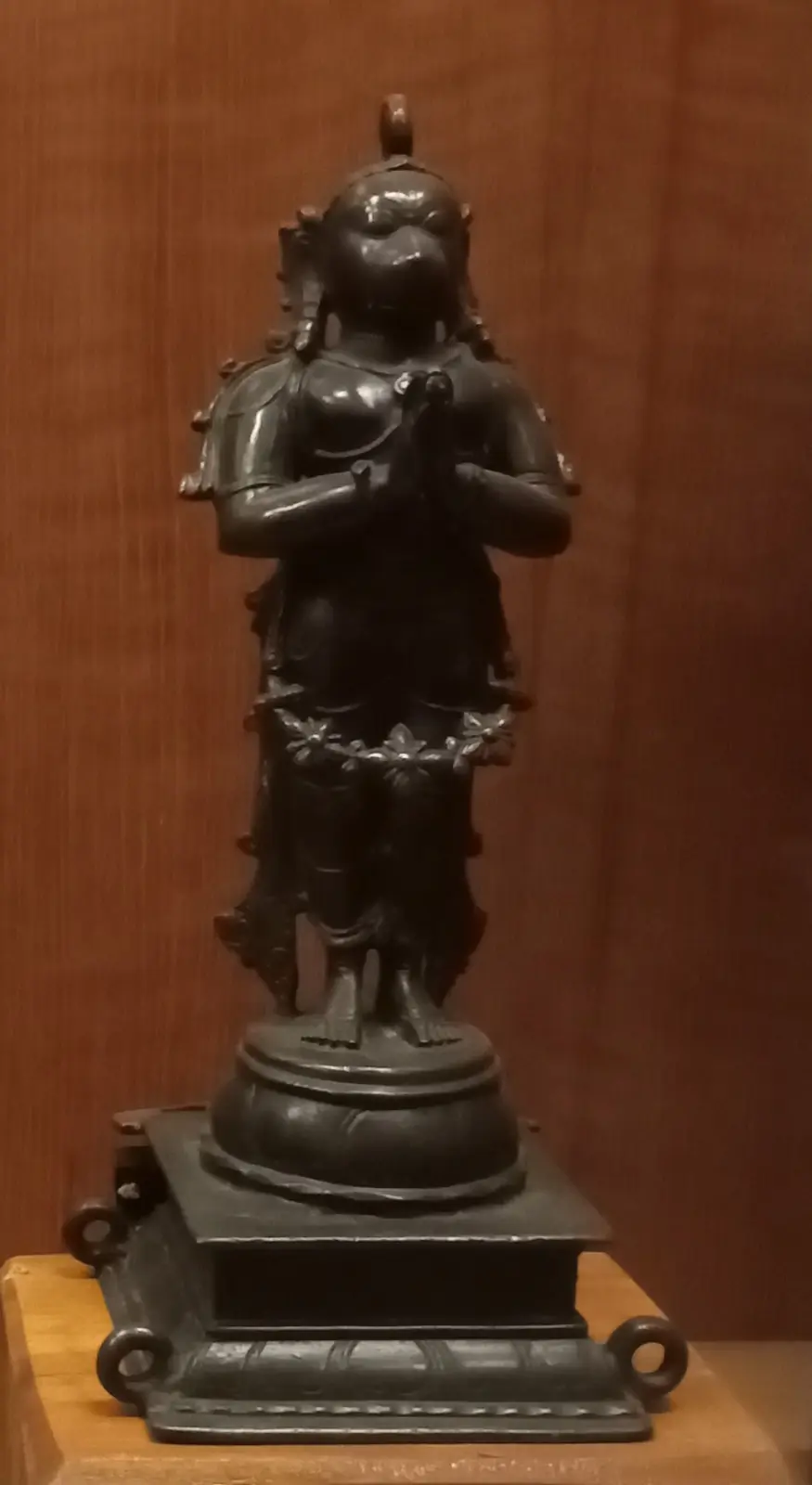 Shri Hanumanश्री हनुमान
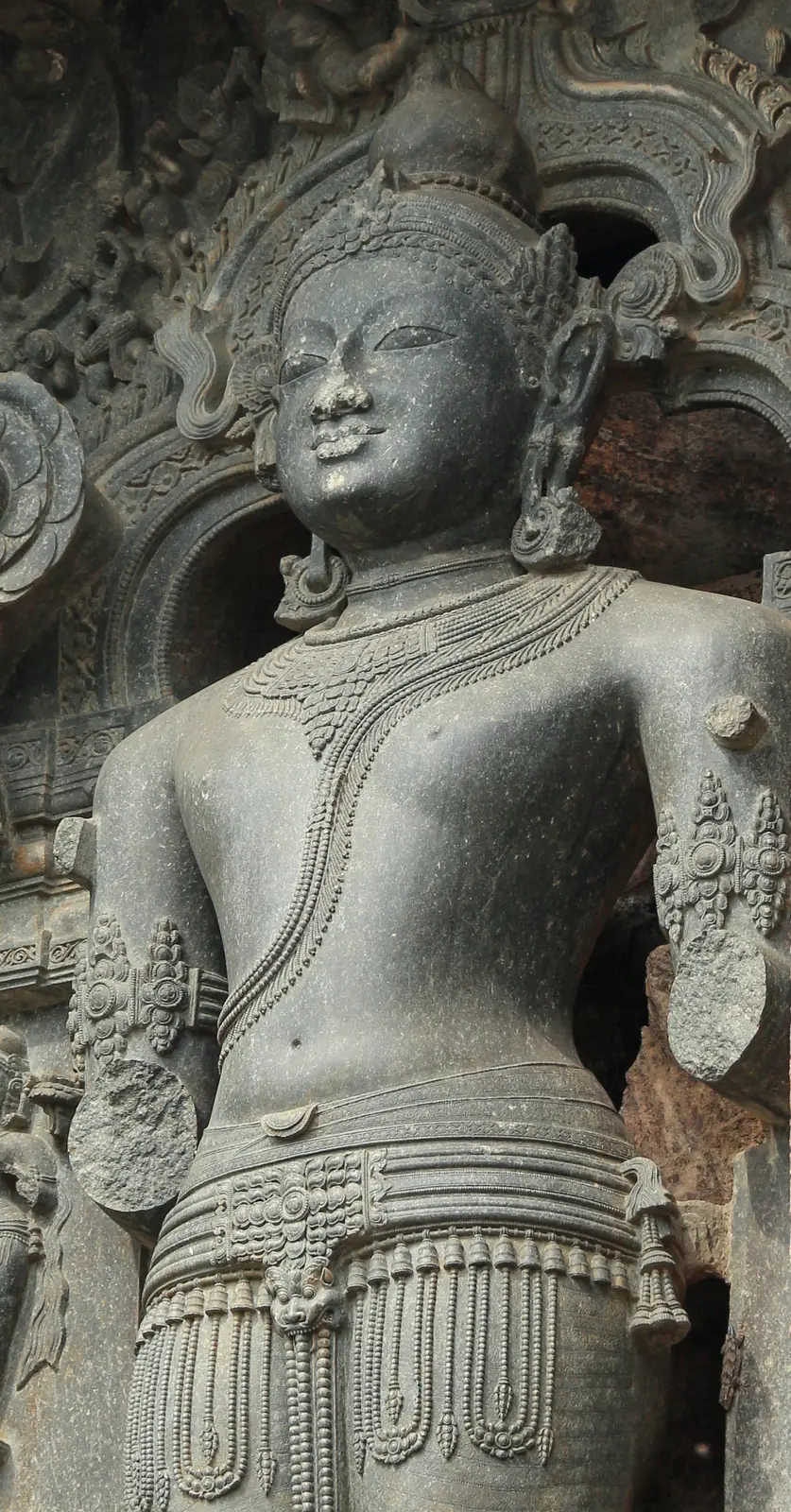 Suryaसूर्य देव
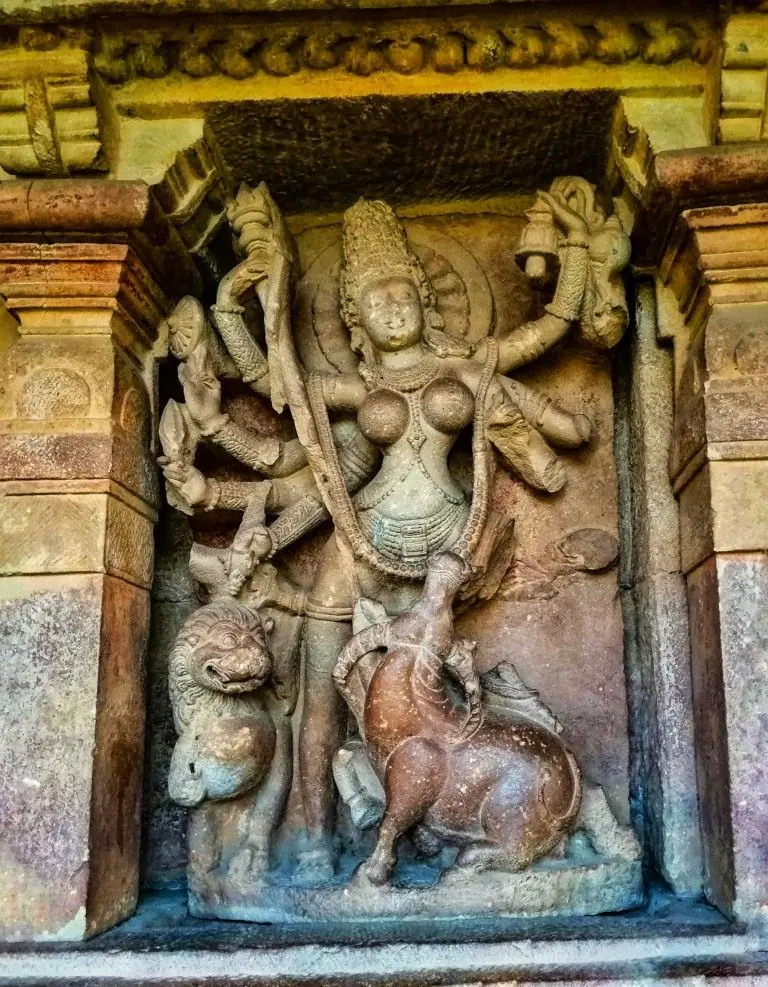 Durgaमाँ दुर्गा
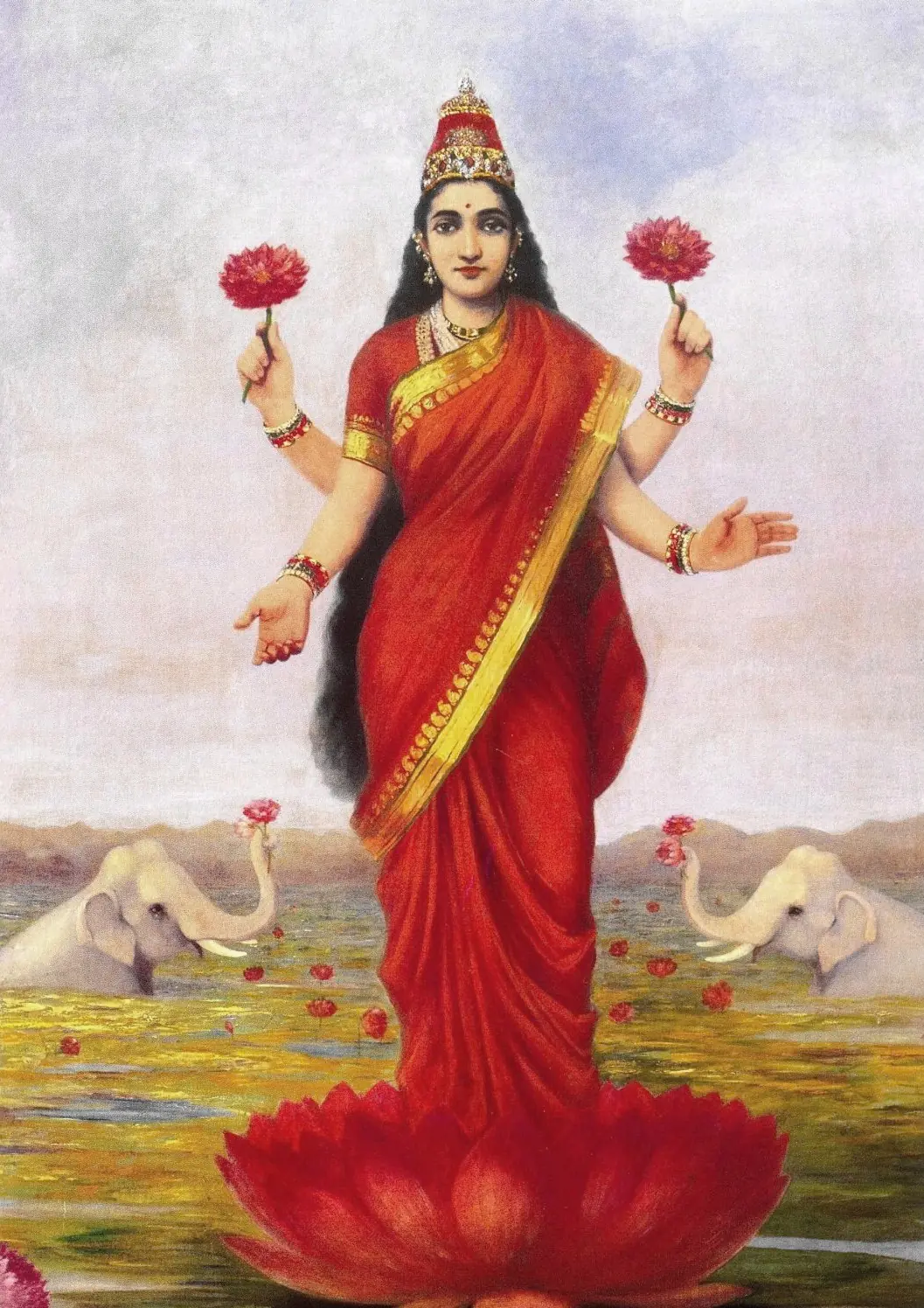 Lakshmiमाँ लक्ष्मी
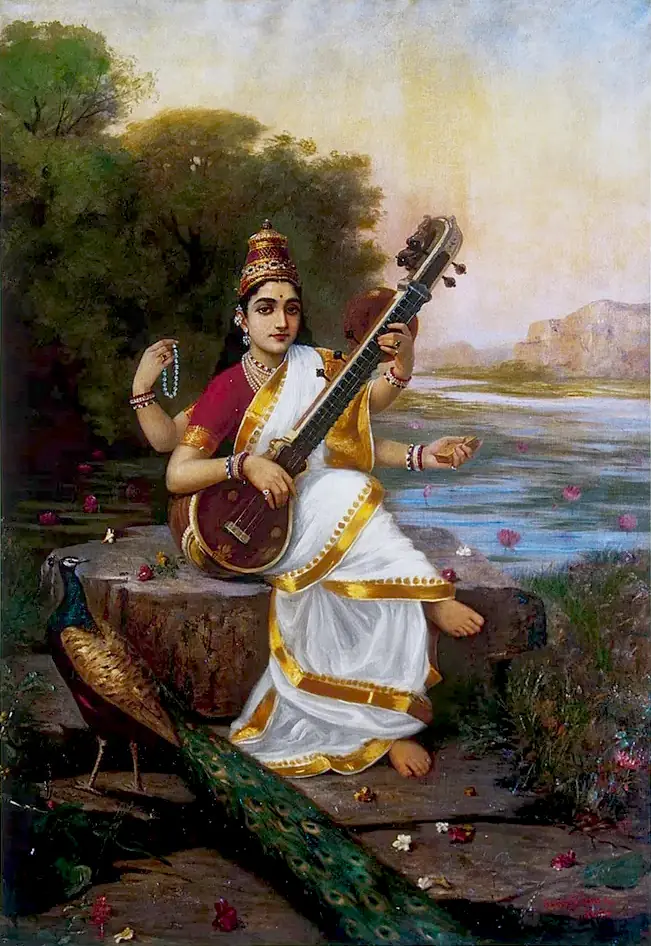 Saraswatiमाँ सरस्वती
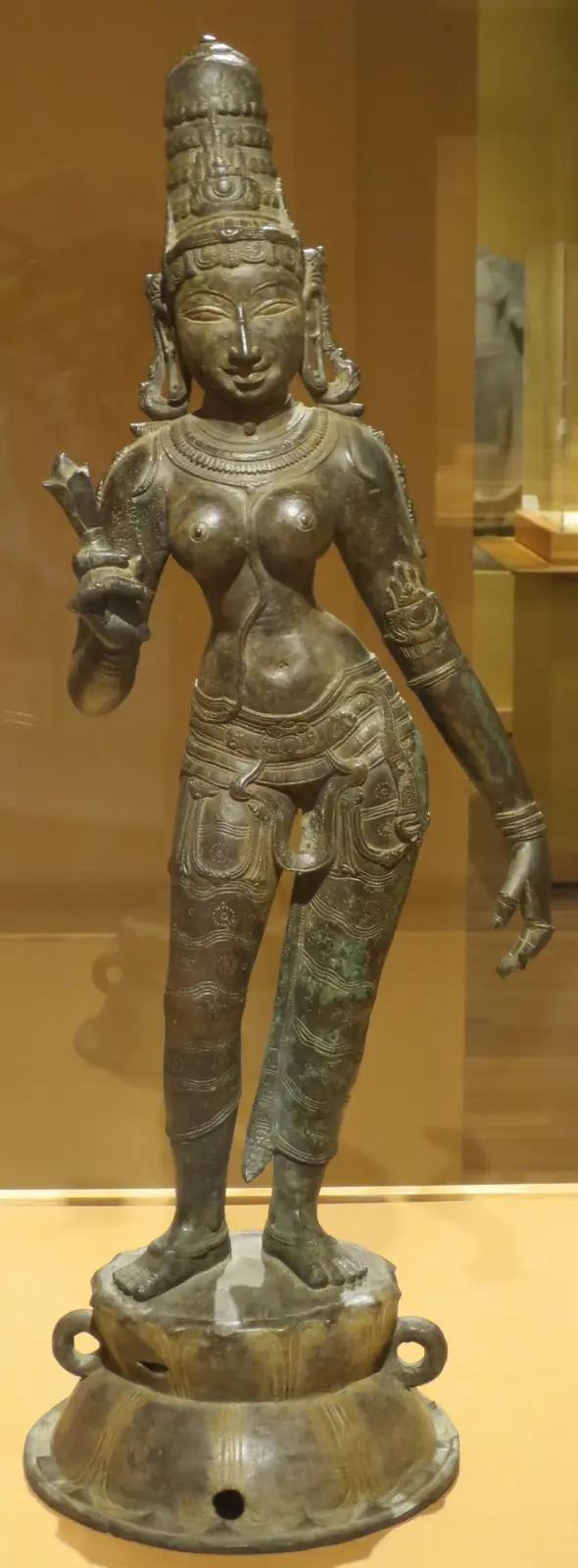 Parvatiमाँ पार्वती
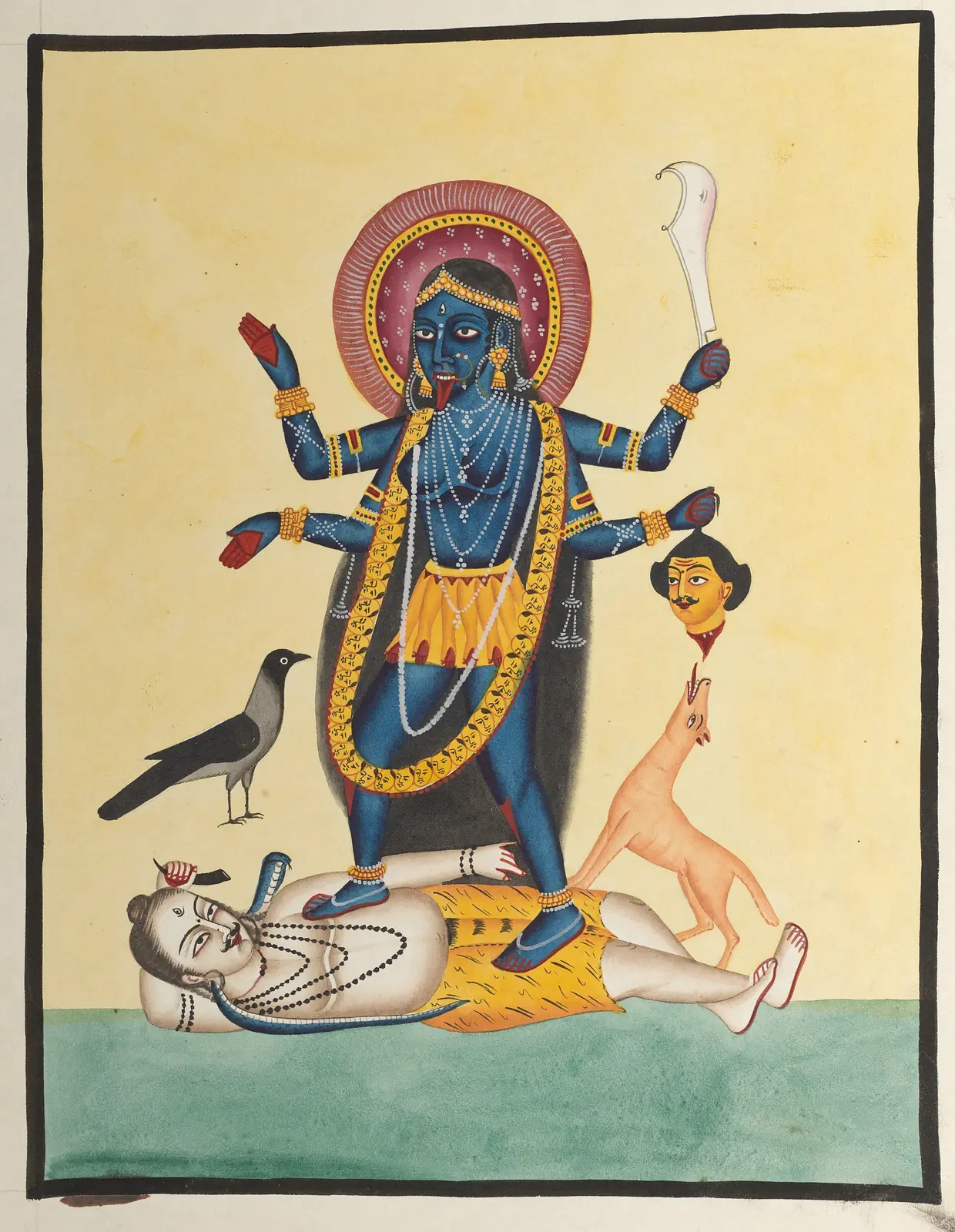 Kaliमाँ काली
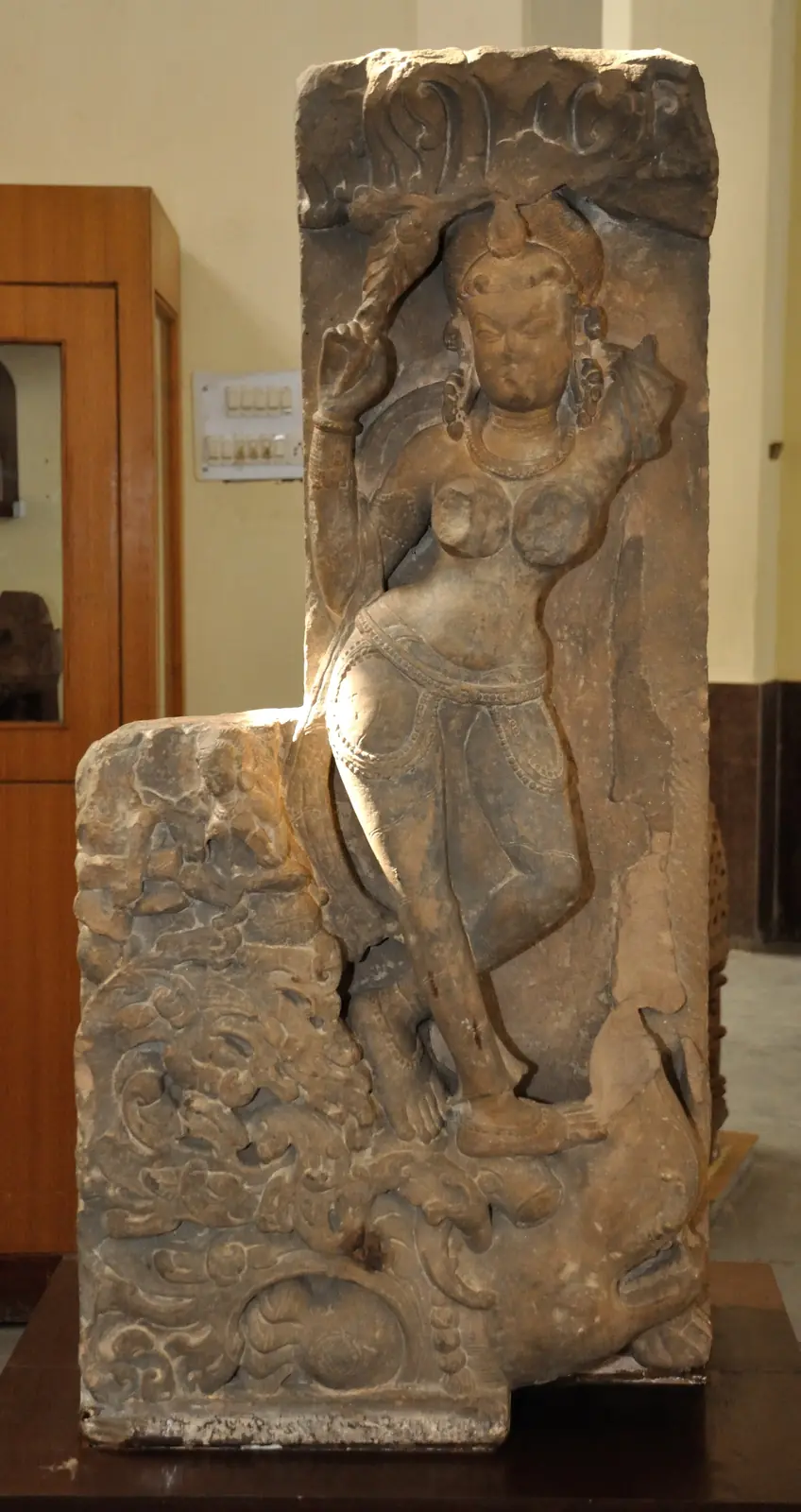 Gangaमाँ गंगा
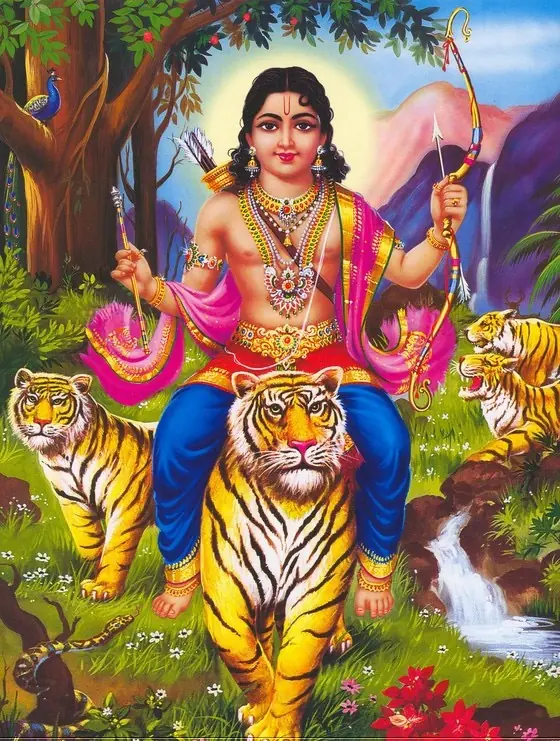 Ayyappaअय्यप्पा
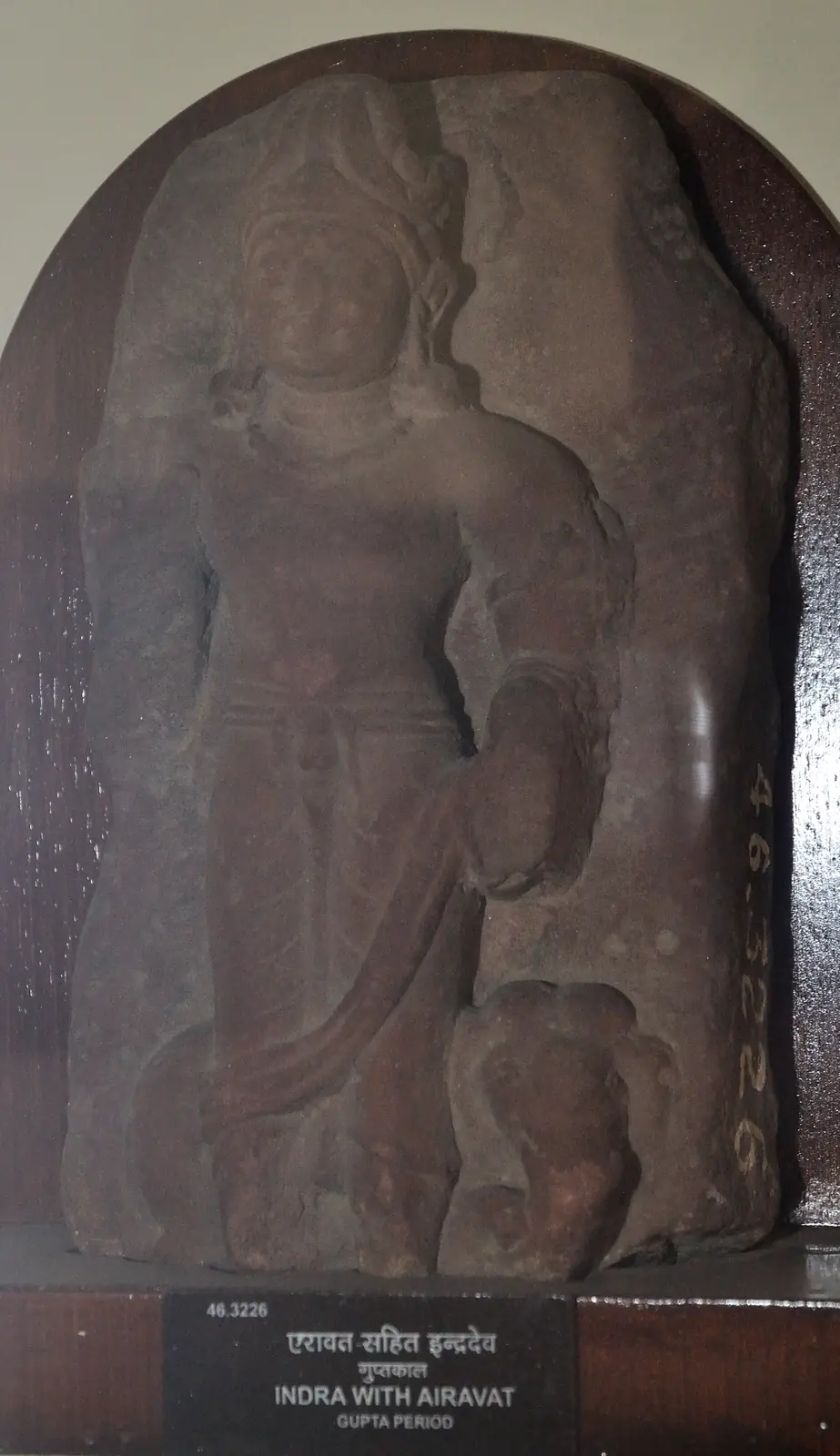 Indraइंद्र
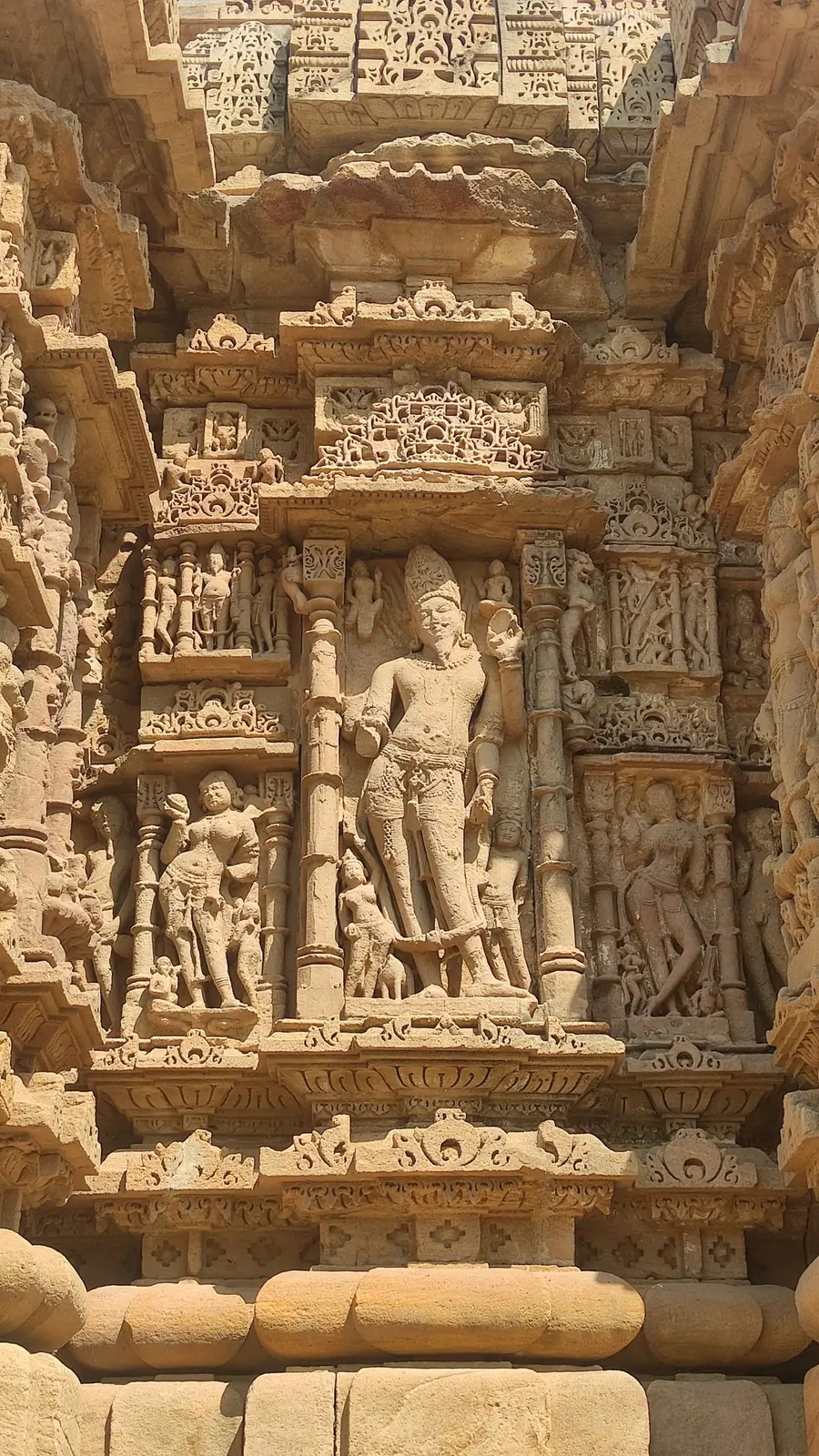 Agniअग्नि देव
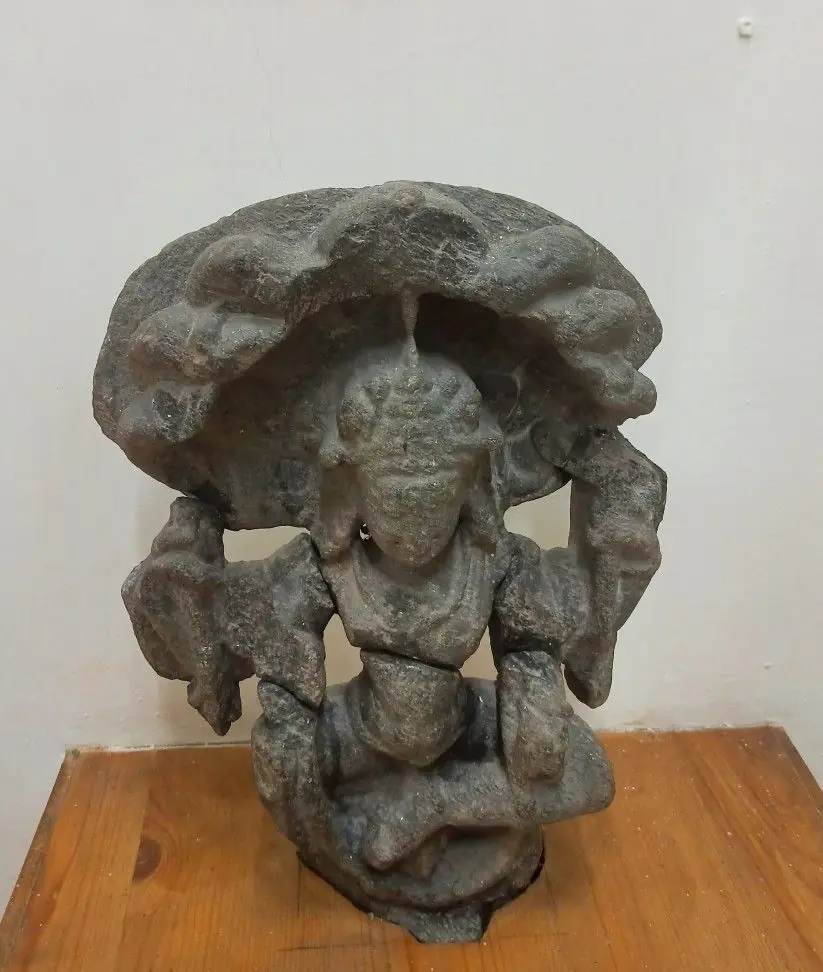 Balaramaबलराम
Ayudhas: weapons and emblems
Vishnu’s conch is Panchajanya; Krishna blew it at Kurukshetra. A right-turning conch, dakshinavarti, is kept for worship in many homes.
Held by Vishnu, Krishna, Durga, LakshmiVishnu’s mace is Kaumodaki. Hanuman and Bhima carry the gada too, and in Vishnu murtis it often rests on the ground under a lower hand.
Held by Vishnu, Hanuman, Durga, KuberaPure though it grows from mud. Lakshmi holds two lotuses and sits on a third; Surya holds lotuses opening to the dawn.
Held by Lakshmi, Vishnu, Surya, Brahma, ParvatiEach bow has a name: Vishnu’s Sharnga, Shiva’s Pinaka, Rama’s Kodanda, Arjuna’s Gandiva. Kamadeva’s bow is of sugarcane, strung with bees.
Held by Rama, Shiva, Vishnu, Durga, KamadevaUsually paired with the bow. Kamadeva and Devi Lalita carry five arrows of flowers.
Held by Rama, Durga, Lalita, KamadevaVishnu’s sword is Nandaka. In Devi’s hand the sword cuts through ignorance and the asuras alike.
Held by Durga, Kali, Vishnu, KalkiA round or oblong shield, usually carried in a left hand opposite the sword.
Held by Durga, Vishnu, ChamundaShiva’s three-pronged spear, which Durga uses to pierce Mahisha. Its three points are read as the three gunas.
Held by Shiva, Durga, Bhairava, ParvatiAn hourglass drum. Tradition holds that the fourteen Maheshvara Sutras of Sanskrit grammar sounded from Shiva’s damaru at the end of his dance.
Held by Shiva, Nataraja, BhairavaA looped cord that binds. Yama ensnares life with it; Ganesha and Devi bind attachment with it.
Held by Ganesha, Yama, Varuna, LalitaThe hook a mahout uses to guide an elephant, held by Ganesha to steer the mind.
Held by Ganesha, Lalita, IndraIndra’s weapon, fashioned from the bones of Maharshi Dadhichi, who gave his body so the devas could defeat Vritra.
Held by Indra, DurgaThe axe given by Shiva to Parashurama. Ganesha holds one too, and Shiva carries a small axe called tanka.
Held by Parashurama, Ganesha, ShivaA small leaping deer held between the fingers of Shiva’s upper hand in many southern murtis, such as Somaskanda and Chandrashekhara.
Held by ShivaA bowl made from a skull. Bhairava carries Brahma’s fifth head as his begging bowl, as the Puranas tell.
Held by Bhairava, Kali, ChamundaA staff crowned with a skull, carried by fierce forms of Shiva and Devi.
Held by Bhairava, Chamunda, KaliA string of beads for japa, often of rudraksha. It shows the deity as teacher or ascetic.
Held by Brahma, Saraswati, Dakshinamurti, ParvatiThe ascetic’s spouted water pot. Brahma’s holds the waters of creation; Parvati holds one as Brahmacharini.
Held by Brahma, Parvati, SaraswatiA palm-leaf manuscript. In Brahma’s and Saraswati’s hands it is the Veda.
Held by Saraswati, Brahma, DakshinamurtiThe wooden ladles for pouring ghee into the sacred fire, held by Brahma and Agni as lords of yajna.
Held by Brahma, AgniSaraswati’s instrument, held across the body. Narada carries his own, the Mahati.
Held by Saraswati, Narada, Vinadhara ShivaGanesha holds his own broken tusk. By tradition he used it as a pen to write the Mahabharata as Maharshi Vyasa spoke.
Held by GaneshaGanesha’s favourite sweet, held in a lower hand or a bowl, or lifted to his trunk.
Held by GaneshaKartikeya’s spear. In Tamil tradition Parvati gave Murugan the vel to destroy Surapadman, and the vel itself is worshipped.
Held by Kartikeya, Agni, DurgaBalarama’s plough, which gave him the name Haladhara. He once dragged the city of Hastinapura towards the Ganga with it.
Held by BalaramaBalarama’s second weapon, a heavy pestle-shaped club, paired with the plough.
Held by Balarama, VarahiKrishna’s bamboo flute. As Venugopala he stands cross-legged, playing it to the cows and gopis.
Held by KrishnaShiva wears Vasuki round his neck; Ganesha ties a snake as his belt. Vishnu rests on Shesha.
Held by Shiva, Ganesha, ManasaNataraja holds a flame in his upper left hand, the fire of dissolution, balancing the drum of creation in his right.
Held by Nataraja, ShivaThe bell whose sound drives off evil, held by fierce forms of Devi in battle.
Held by Durga, ChamundaHeld by Devi and by surasundaris on temple walls, a sign of beauty and self-knowledge.
Held by Parvati, LalitaDhanvantari rose from the churning ocean holding the pot of amrita. Lakshmi and Ganga also hold pots of plenty.
Held by Dhanvantari, Lakshmi, GangaVahanas
King of birds, son of Vinata. He brought the amrita from heaven, and Vishnu made him his mount and banner. In temples he kneels facing the sanctum, hands folded.
Shiva’s devotee, gatekeeper and mount. Devotees take his darshan first and some whisper their prayers in his ear.
The hamsa is said to separate milk from water, a sign of discernment. Brahma rides it, and so does Brahmani among the Matrikas.
Saraswati’s swan sits by her feet or carries her over the water. In some regions she is shown with a peacock instead.
The tiny mouse carries the elephant-headed lord. Mushaka sits before Ganesha in temples, often with a modaka in his paws.
Murugan’s peacock is Paravani. Tamil tradition tells that the asura Surapadman, split in two by the vel, became the peacock and the rooster on his banner.
Durga rides the lion into battle with Mahisha. In parts of north India Sherawali Mata rides a tiger.
In Bengal and eastern India Lakshmi’s mount is the owl. Elsewhere she sits on a lotus with elephants pouring water over her, as Gajalakshmi.
Born from the churning of the ocean, often with several tusks. Indra also owns the horse Uchchaihshravas.
Yama rides a dark buffalo, noose in hand, to fetch the souls of the dying.
Ganga stands on the makara at temple doorways, pot in hand. Narmada too is shown on a makara.
Yamuna stands on a tortoise opposite Ganga at the doorway of northern temples.
Lord of the waters and the west, Varuna rides the makara with a noose in his hand.
Agni rides a ram, with flames rising from his body and two faces in many images.
The wind god rides the swift antelope, a banner streaming from his hand.
Surya’s one-wheeled chariot is drawn by seven horses and driven by Aruna. Konark was built as this chariot in stone.
Kubera, lord of wealth, is carried by a man. He also owned the flying chariot Pushpaka, later taken by Ravana.
Bhairava’s dog walks beside him. At Kashi devotees feed dogs in honour of Kala Bhairava, the city’s guardian.
Shitala Mata rides a donkey, holding a broom, a pot of cool water and a winnowing fan.
Shani rides a crow, or a vulture in some images. Devotees feed crows on Saturdays.
Kamadeva rides a parrot, his sugarcane bow strung with bees.
Ayyappa rode a tigress back to the Pandalam palace, bringing her milk to cure the queen, as the Sabarimala katha tells.
The fierce Chamunda sits on a corpse, the body left behind when life departs. She slew Chanda and Munda.
Varahi, the boar-faced Matrika, rides a buffalo in many images.
Indrani, Indra’s Shakti among the Matrikas, rides an elephant and carries the vajra.
Khandoba of Jejuri rides a horse with Mhalsa seated behind him, a dog running alongside.
The Kalki Purana names his white horse Devadatta. He rides it, sword raised, at the close of Kali Yuga.
The thousand-hooded serpent on which Vishnu reclines on the ocean of milk. Also called Ananta, the endless.
Postures
Standing straight, feet side by side, weight even. The pose of many sanctum murtis, such as Vithoba on his brick and Venkateswara at Tirumala.
Perfect balance, the body upright on its central line. Main temple images are usually carved this way.
One knee relaxed, the hip shifted a little, so the figure softens. Common for standing Vishnu and Rama.
Two bends, at hip and knee, giving an easy standing grace.
The body bends one way at the knee, the other at the hip, and back again at the neck. Krishna playing the flute stands in tribhanga, and Odissi dancers take its name.
A strong, dramatic bend through the whole body, used for figures in dance or battle such as Nataraja and fighting forms of Devi.
The right leg thrust forward and bent, the left stretched back, the stance for drawing a bow. Fighting Durga and Rama in battle take it.
The mirror of alidha, with the left leg forward. Used for fierce deities striding into battle.
One leg straight, the other raised or bent behind. Ekapada Shiva, a single-legged form with Brahma and Vishnu emerging from his sides, is found in Odisha and the south.
Seated cross-legged, each foot on the opposite thigh, soles upturned. The pose of yoga and meditation, for Shiva as yogi and for Brahma on his lotus.
Seated with legs crossed and feet tucked beneath the opposite thighs, less tight than padmasana.
Seated with one leg folded on the seat and the other resting on it or bent upright. Shiva as Dakshinamurti often sits this way with one foot on the dwarf Apasmara.
Seated at ease, one leg folded, the other hanging or bent. Used for Shiva and Uma seated together as Umasahita.
One leg folded on the seat, the other hanging down, often resting on a lotus or the vahana. Seated Durga, Lakshmi and Ganesha are often shown so.
One knee raised, an arm resting on it, the other leg folded flat. A relaxed royal pose for Shiva and other deities.
Seated with one leg folded and the other half-extended, between lalitasana and padmasana.
Seated on the heels, knees raised, held in place by a cloth band, the yogapatta. Yoga-Narasimha and Yoga-Dakshinamurti sit this way.
Seated on a throne with both legs hanging down, feet on a stool or lotus. Seen for some forms of Vishnu and Devi.
Vishnu reclines on Shesha as Anantashayana or Ranganatha, his head raised on one hand. Padmanabhaswamy and Srirangam enshrine him so.
The Natya Shastra dance pose of Nataraja: the left leg swung high across the body, the right planted on Apasmara.
One leg lifted to the sky. Trivikrama measures the heavens this way, and Shiva in the urdhva-tandava at Chidambaram and Tiruvalangadu.
The deity rides the vahana, as Vishnu on Garuda or Shiva and Parvati on Nandi. Festival bronzes are carried in this form.
Hand gestures
The right palm raised and facing outwards, fingers upright. The deity says: do not fear.
The palm open and facing outwards, fingers pointing down. Often the lower left hand, offering what the devotee asks.
A hand stretched out and slightly lifted, inviting the devotee to come and receive.
The fingertips loosely meet the thumb to make a ring. In bronzes a fresh flower is slipped into it daily. Also called simhakarna.
The forefinger stretched out to point, often downwards at a devotee or a defeated asura.
The forefinger raised upwards, the other fingers folded. Dvarapalas show it to warn the unready at the door.
Thumb and forefinger join in a circle, the other fingers open, the hand raised. Dakshinamurti teaches the rishis in silence with it.
Thumb and forefinger join in a circle and the palm turns inwards, held near the heart.
Both hands rest in the lap, palms up, right over left. Also called yoga-mudra, for Shiva and Parvati in tapas.
The palms folded together with a hollow between them, held at the chest. Garuda, Hanuman and devotee saints are shown so.
The palms pressed flat together at the chest in adoration. The gesture of every bhakta before the deity.
The arm hangs easily and the hand rests on the waist. Vithoba stands with both hands on his hips, waiting for his devotee.
The arm hangs relaxed by the side, the hand loose, as in Devi images beside Shiva.
The arm swung straight across the chest like an elephant’s trunk or a staff, hand drooping. Nataraja’s front left arm points this way to his raised foot.
The hand raised with fingers spread, palm turned inwards, in astonishment. Attendants and devotees show it before the divine.
Held at shoulder level, the first two fingers raised like a deer’s horns. Vishnu holds the chakra and shankha between them in many bronzes.