
विभावानुभावव्यभिचारिसंयोगाद्रसनिष्पत्तिः
vibhāvānubhāva-vyabhicāri-saṃyogād rasa-niṣpattiḥ
“Rasa is born when the causes, the expressions and the passing feelings come together.”
Natya Shastra, chapter 6Bharata's recipe
What sets the feeling off: the beloved, the moonlit garden, the enemy at the gate.
How the body shows it: a sidelong glance, a trembling hand, tears.
Thirty-three fleeting states, such as worry, pride or longing, that colour the main feeling.
The steady feeling underneath: love, laughter, sorrow, anger, courage, fear, disgust, wonder.
What the viewer finally enjoys.
Bharata explains it with cooking. Many spices, herbs and other things are mixed to make one taste, and the guest who eats enjoys that taste. In the same way, a viewer "tastes" the mood that the actor's many expressions bring together. Rasa literally means juice, or taste.
१ / ९
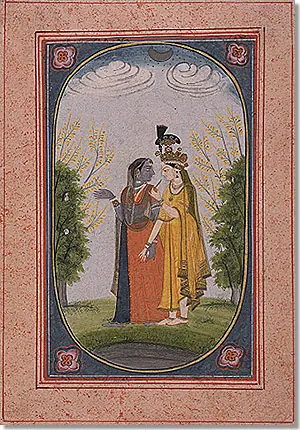
शृंगार
Shringara Love
- Lasting feeling
- Rati (delight)
- Colour
- Shyama — dark blue-black
- Deity
- Vishnu
Union and separation (sambhoga, vipralambha). The rasa most painted, most sung.
२ / ९
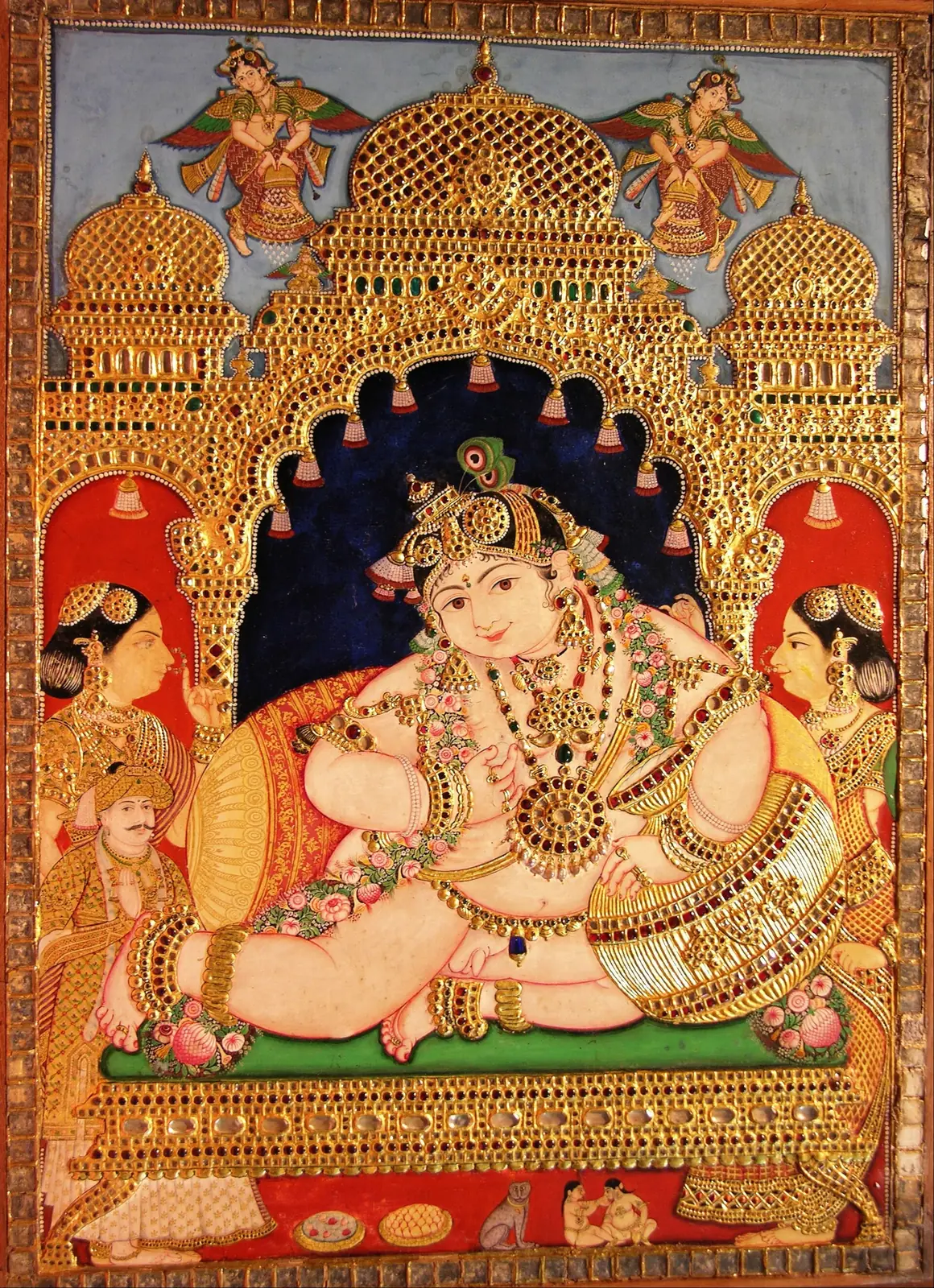
हास्य
Hasya Mirth
- Lasting feeling
- Hasa (laughter)
- Colour
- Sita — white
- Deity
- The Pramathas (Shiva's ganas)
From the faint smile to the belly laugh: Bharata names six grades of it.
३ / ९
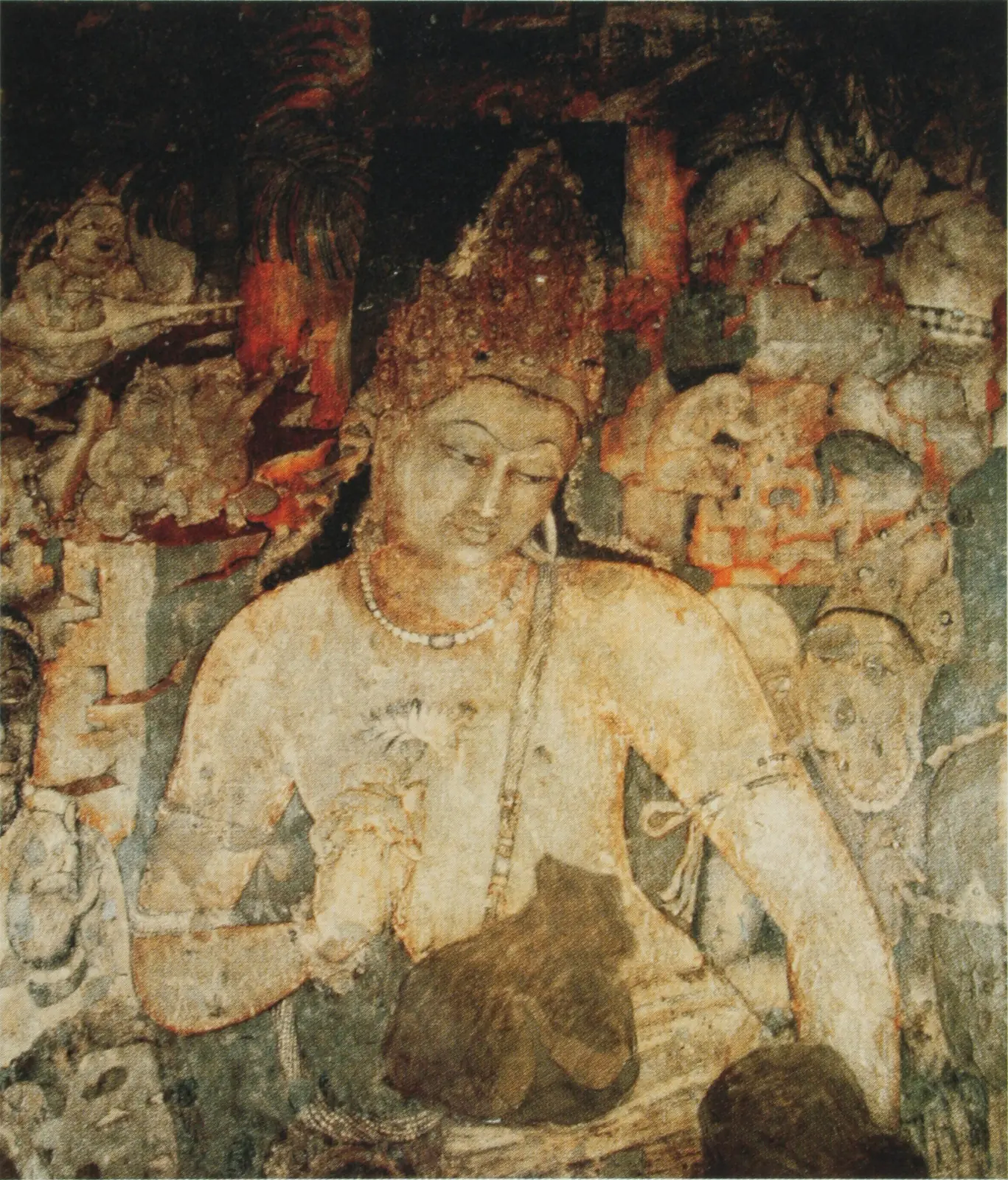
करुण
Karuna Compassion
- Lasting feeling
- Shoka (sorrow)
- Colour
- Kapota — dove grey
- Deity
- Yama
Grief turned into tenderness. The Ramayana itself began with Valmiki's karuna for a slain bird.
४ / ९
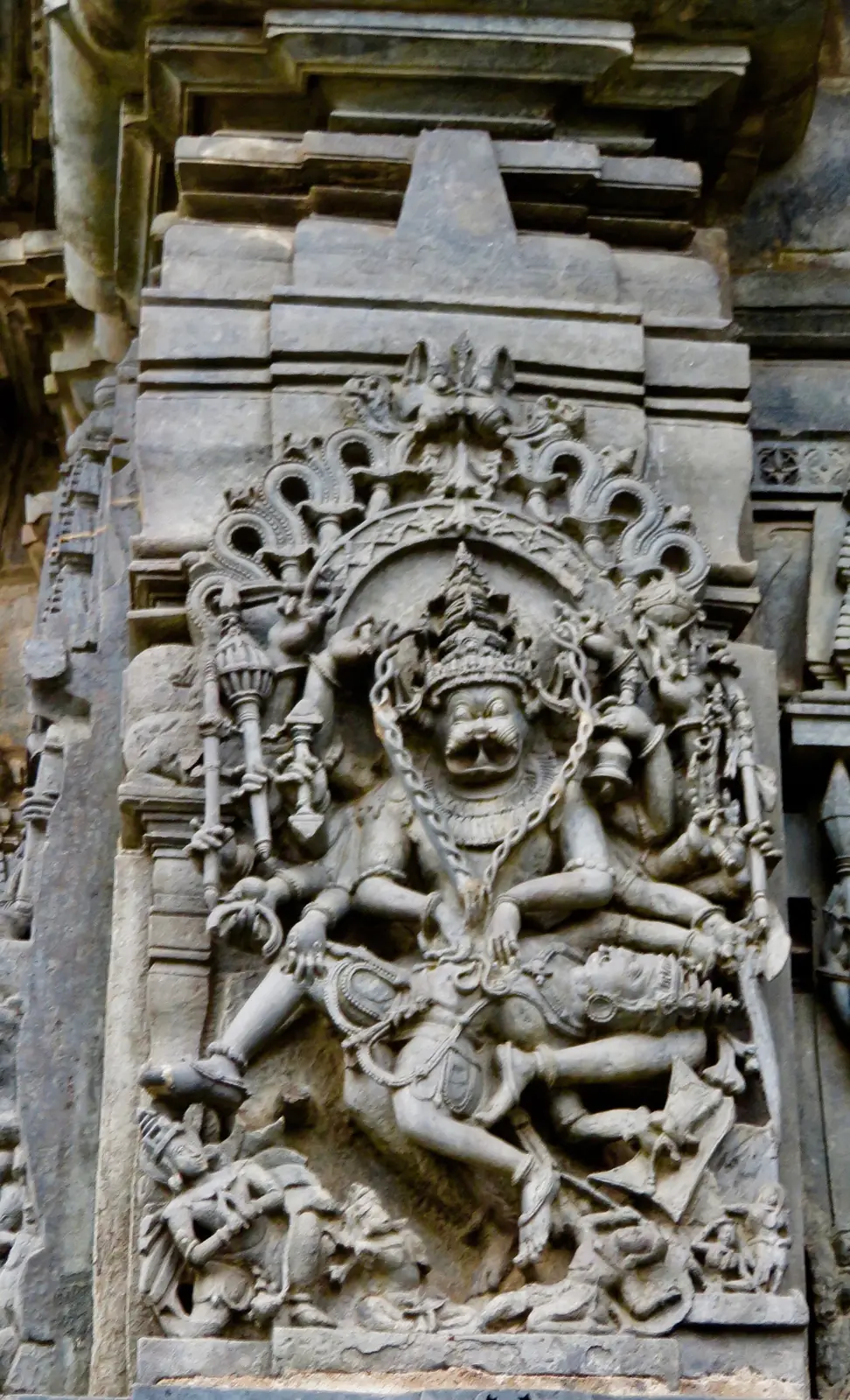
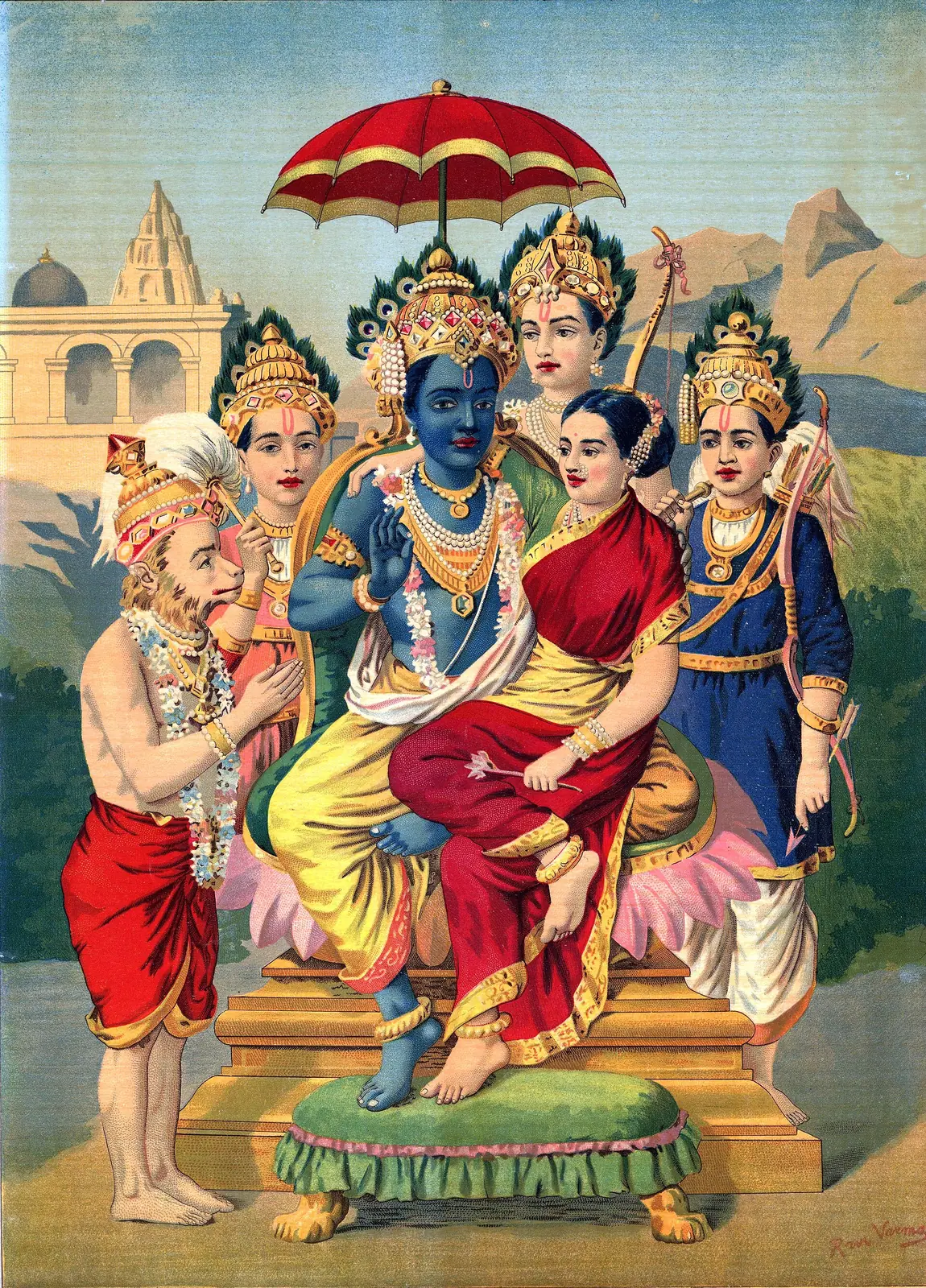
रौद्र
Raudra Fury
- Lasting feeling
- Krodha (anger)
- Colour
- Rakta — red
- Deity
- Rudra
Red eyes, bitten lips, the earth shaking under the feet.
५ / ९
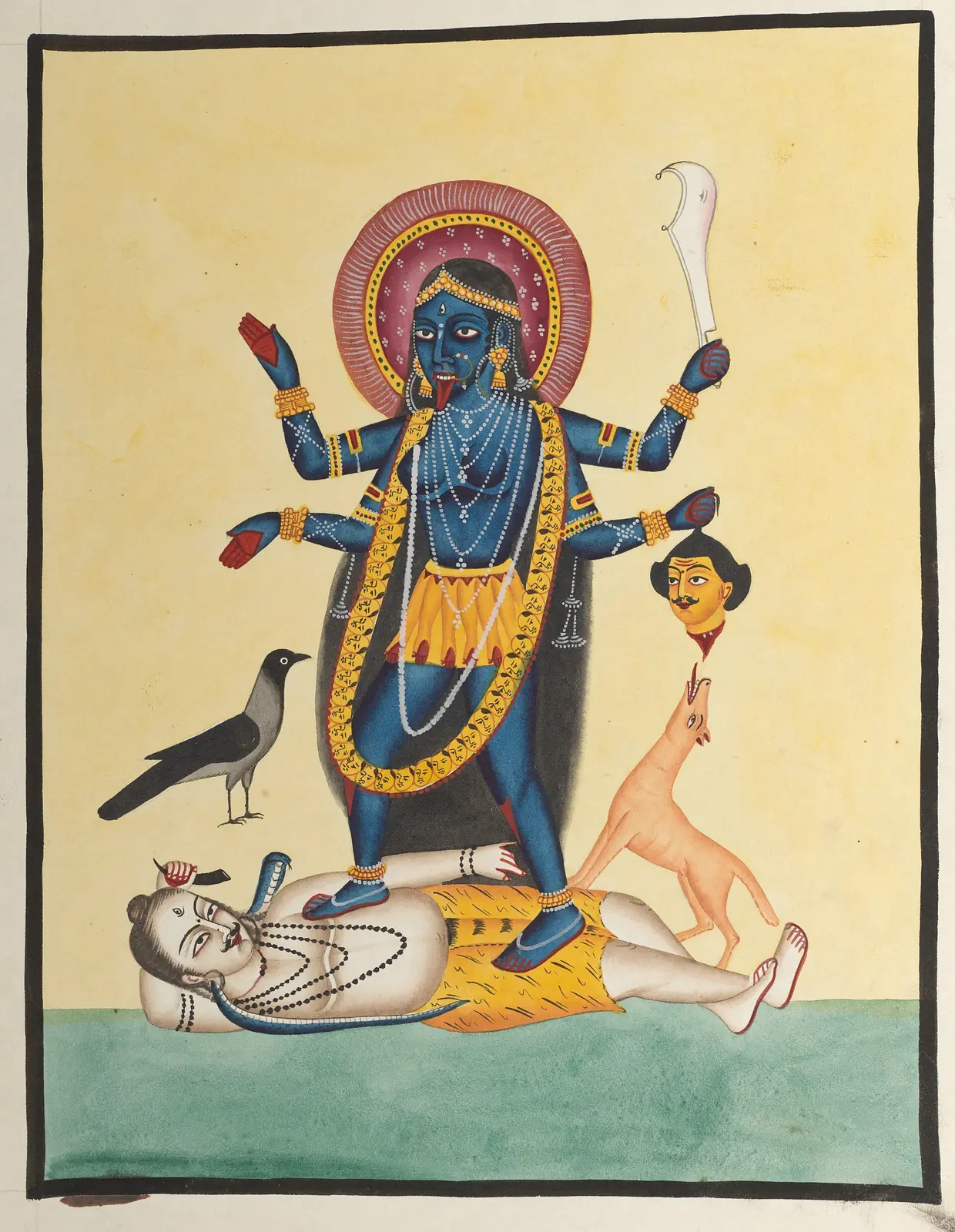
वीर
Vira Heroism
- Lasting feeling
- Utsaha (energy)
- Colour
- Gaura — golden
- Deity
- Mahendra (Indra)
Courage in giving, in duty and in battle: Bharata counts all three as vira.
६ / ९
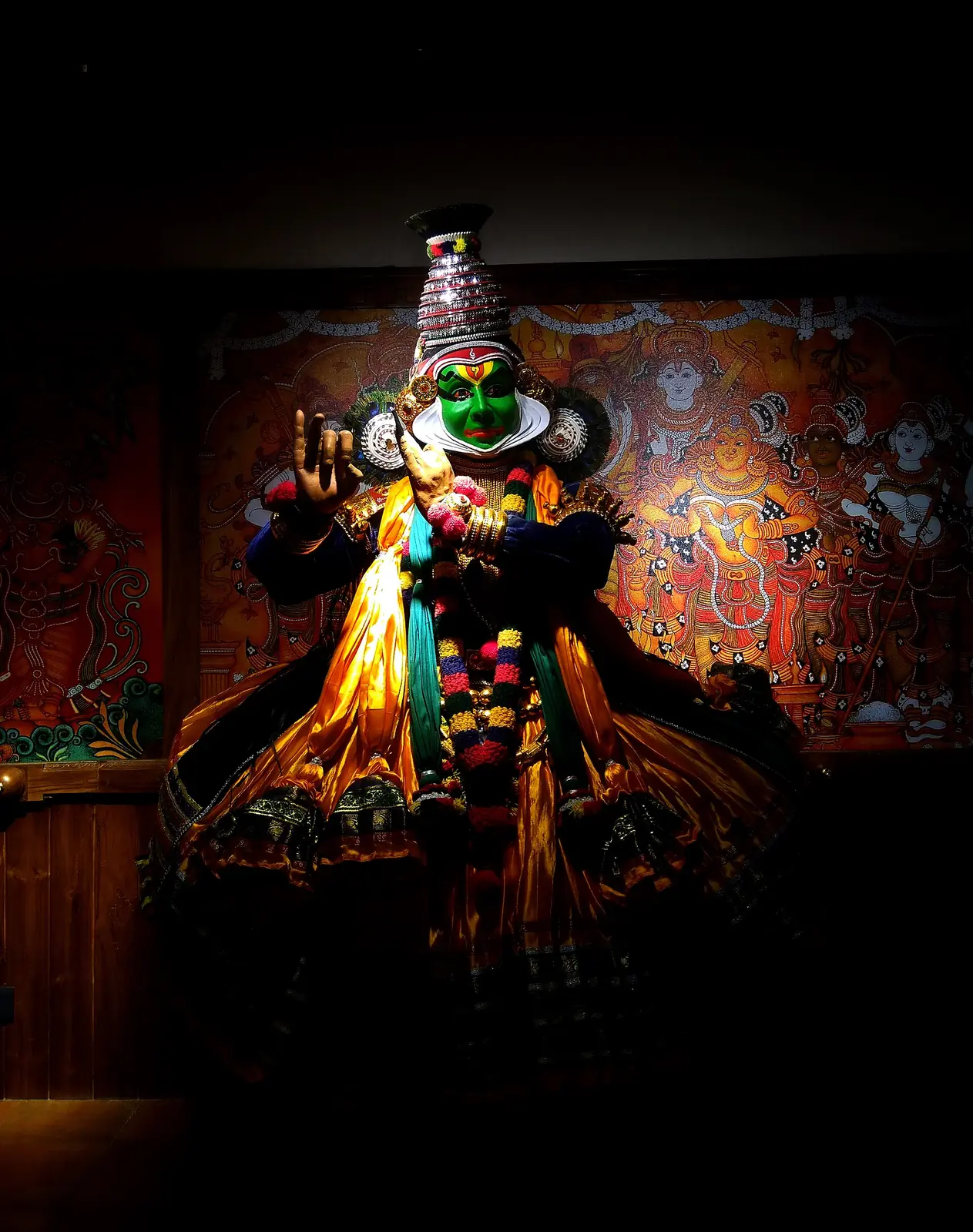
भयानक
Bhayanaka Terror
- Lasting feeling
- Bhaya (fear)
- Colour
- Krishna — black
- Deity
- Kala
Trembling limbs, darting eyes, a dry mouth.
७ / ९
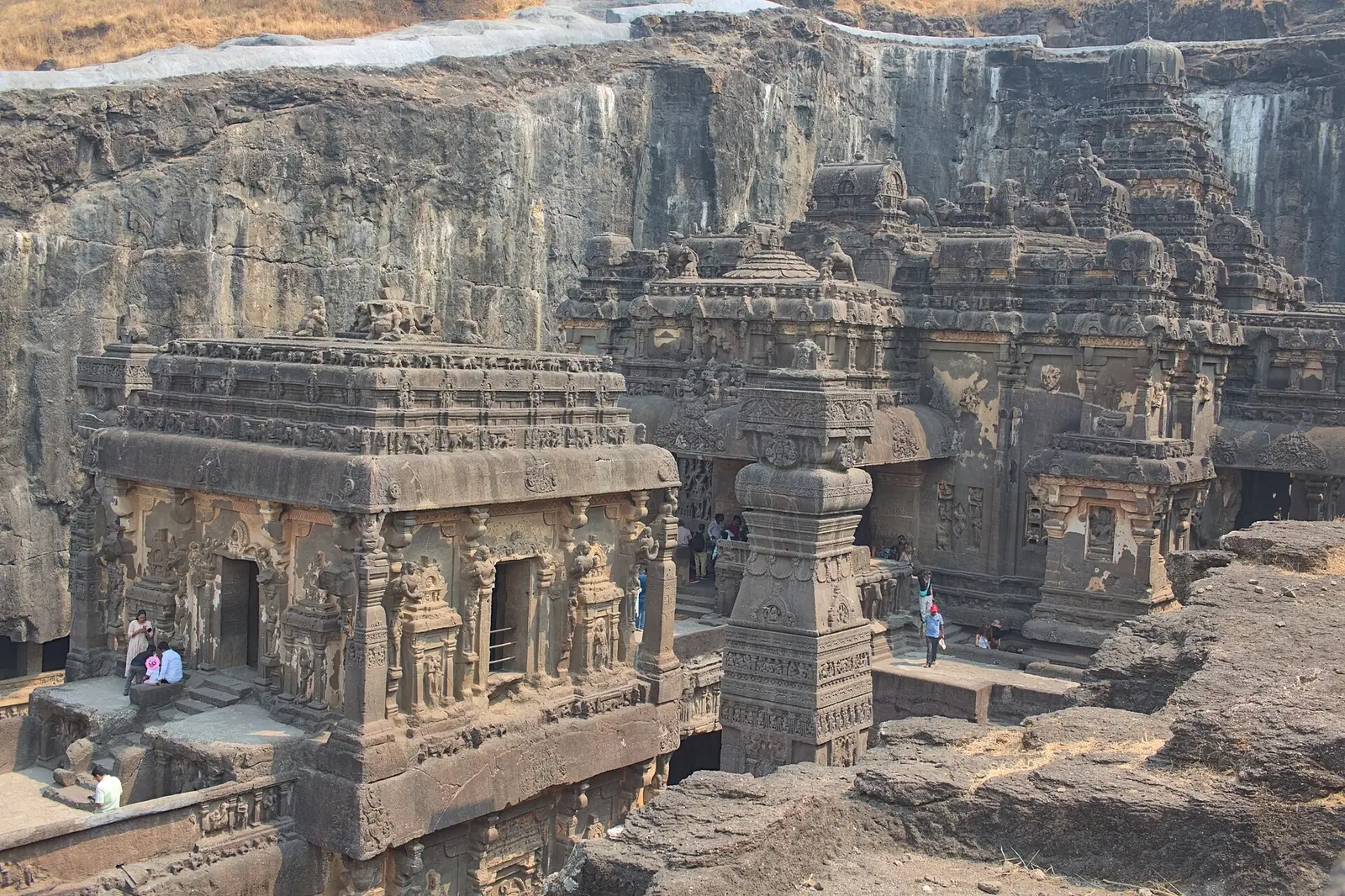
बीभत्स
Bibhatsa Disgust
- Lasting feeling
- Jugupsa (aversion)
- Colour
- Nila — blue
- Deity
- Mahakala
The turning-away rasa: the cremation ground, the battlefield after the battle.
८ / ९
अद्भुत
Adbhuta Wonder
- Lasting feeling
- Vismaya (astonishment)
- Colour
- Pita — yellow
- Deity
- Brahma
Wide eyes, the unblinking gaze, hair standing on end.
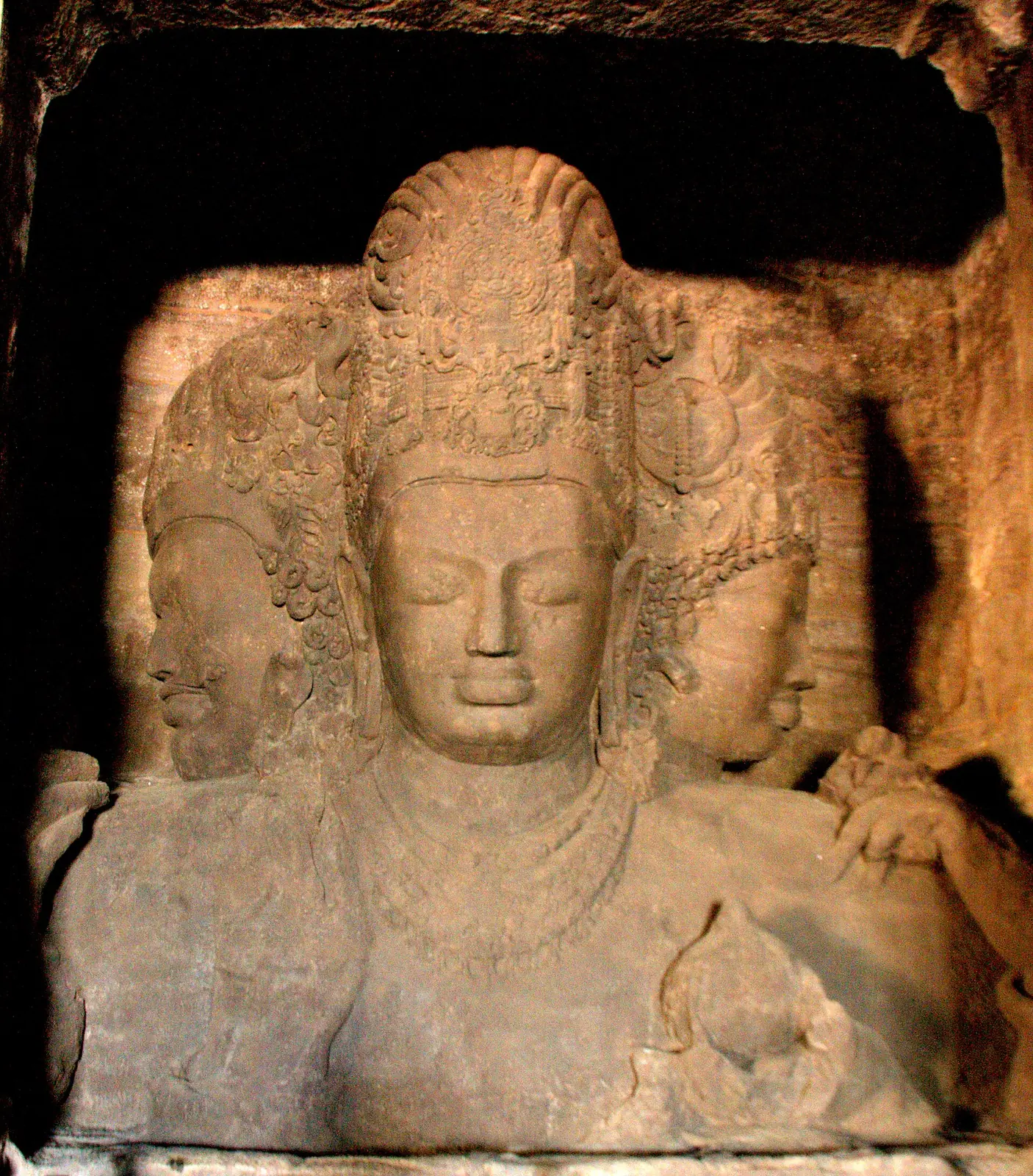
९ / ९
शान्त
Shanta Peace
- Lasting feeling
- Shama (calm)
- Colour
- White, in later texts
- Deity
- Narayana, in later texts
The ninth rasa. Later theorists argued for it, Abhinavagupta most famously, and art adopted it.
Not in Bharata's original eight. Added by later theorists.