A kolam is drawn only on a swept, washed floor, and puja begins only after the bath and three sips of water.
२२ forms८ practices५ verses
Shaucha means purity, of body and of mind. Maharshi Patanjali names it first of the five niyamas in Yoga Sutra 2.32. The Vyasa bhashya divides it in two: bahya, the outer cleansing with earth and water and pure food, and abhyantara, the inner washing away of the stains of the mind.
Pure or impure, in whatever state one may be, whoever remembers the lotus-eyed Bhagwan is clean without and within.
Hari-bhakti-vilasa 3.47 (quoting the Garuda Purana and Vishnudharma)
Forms of shaucha
Body, home, temple, water, food and mind. Tap a place to see its forms.
दातुन · BodyDatunThe tooth-twig
In village India the day still starts with a twig of neem or babul chewed to a brush. The Ashtanga Hridaya, in its chapter on the daily routine, names the trees whose twigs clean the teeth, among them arka, nyagrodha, khadira and karanja, and asks for twigs bitter, pungent or astringent in taste. Neem, bitter to the tongue, is the twig most homes reach for.
Villages and small towns across Indiaस्नान · BodySnanaThe bath before puja
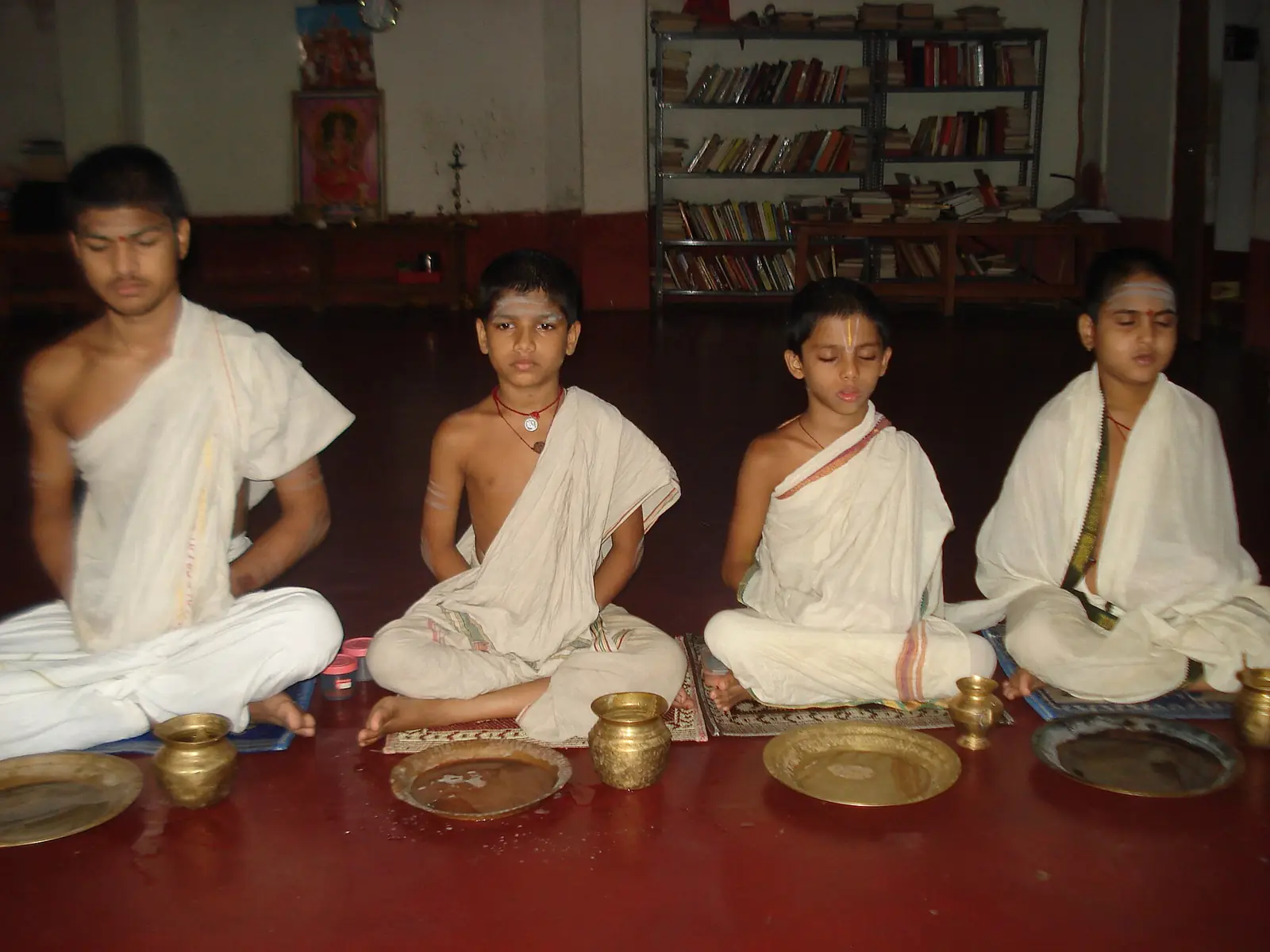
Nobody touches the puja shelf before bathing; the bath is the first offering of the day. Many people pour the water while reciting Gange cha Yamune chaiva, calling the seven holy rivers into the bucket. After the bath come fresh, washed clothes, and only then the lamp.
Every Hindu homeआचमन · BodyAchamanaThree sips of water
Before puja, sandhya or a meal, a little water is taken in the right palm and sipped three times. In the Puranic form the three sips go with the names Keshava, Narayana and Madhava, and the hands are then washed with Govinda. The water is drawn from the base of the thumb. Vedic and Smarta lineages use their own mantras.
Home puja, sandhyavandana, temple ritesपाद-प्रक्षालन · BodyWashing the feetFeet washed at the door
Shoes stay outside, and the feet are washed before you step into the house, the kitchen or the shrine. Many temples have taps beside the gate for this. At home a lota of water often waits by the step.
Homes and temples across Indiaदेहरी बुहारना · HomeSweeping the thresholdThe doorstep at dawn
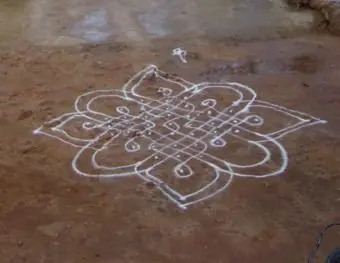
Before the sun is up the doorstep is swept and sprinkled with water, so the day enters a clean house. In Tamil villages the water is mixed with cow dung, which lays the dust and helps the rice flour of the kolam to hold. In cities plain water does the work.
Homes across Indiaगोबर की लिपाई · HomeGobar lipaiFloors plastered with mud and cow dung
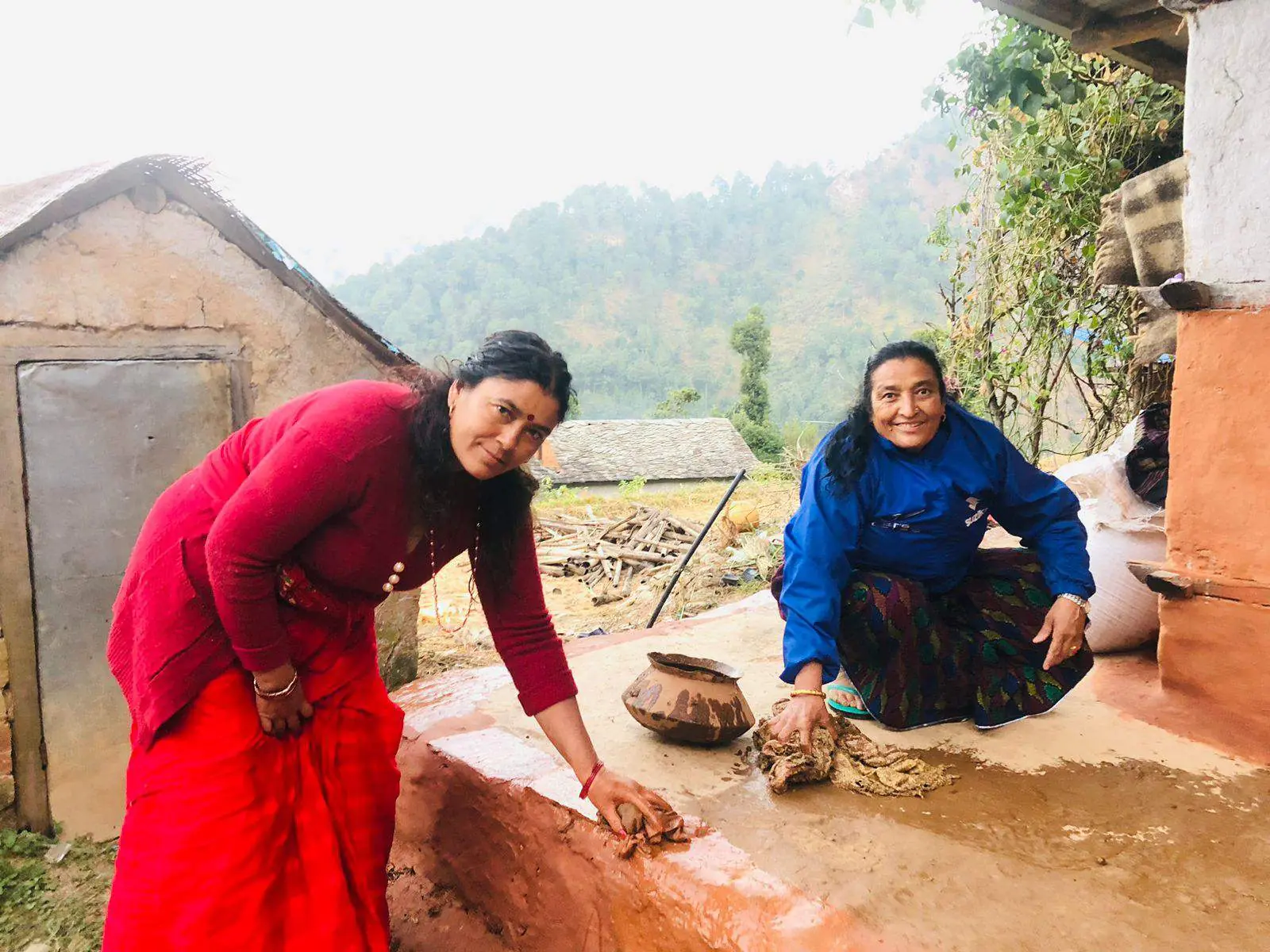
Mud floors and courtyards are freshly plastered with clay and cow dung, smoothed by hand into a cool, even skin. The plaster is laid before festivals and often each week. On this fresh ground the women of Rajasthan draw mandana, and Kumaoni homes draw aipan.
Village homes from Nepal to the Deccanकोलम · HomeKolam on the washed floorBeauty laid on cleanliness
A kolam is only ever drawn on ground that has first been swept and washed. The order never changes: broom, then water, then rice flour. In the month of Margazhi the cleaned ground and the designs both spread into the street.
Tamil Nadu and Tamil homes everywhereदीवाली की सफ़ाई · HomeDiwali safaiThe house cleaned for Lakshmi
Weeks before Diwali the whole house is emptied, scrubbed and painted, because Lakshmi is said to enter only a clean home. Old things are given away and corners dusted out. Many families buy a new broom on Dhanteras, and some worship the broom on Diwali with haldi and kumkum, since it sweeps out Alakshmi, the bringer of want.
Homes across Indiaतुलसी चौरा · HomeTulsi chauraThe tulsi courtyard
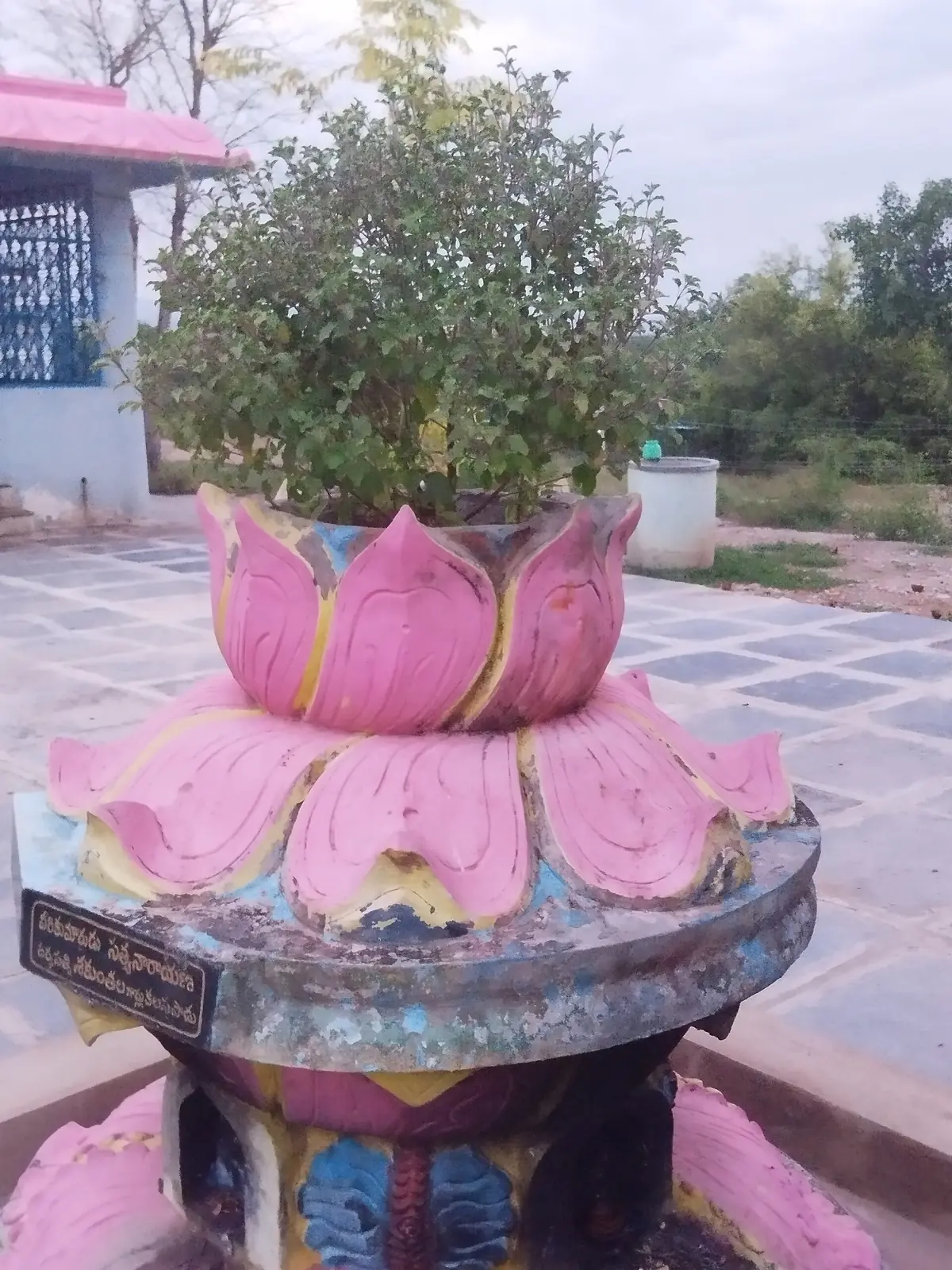
The tulsi stands in her raised altar in the courtyard, and the ground round her is kept the cleanest in the house. She is watered after the morning bath and given a lamp at dusk. Shoes are never worn near her. In Kartik comes Tulsi Vivah, her wedding to Shaligram.
Hindu homes, North and Southपुष्करिणी · TemplePushkariniThe temple tank
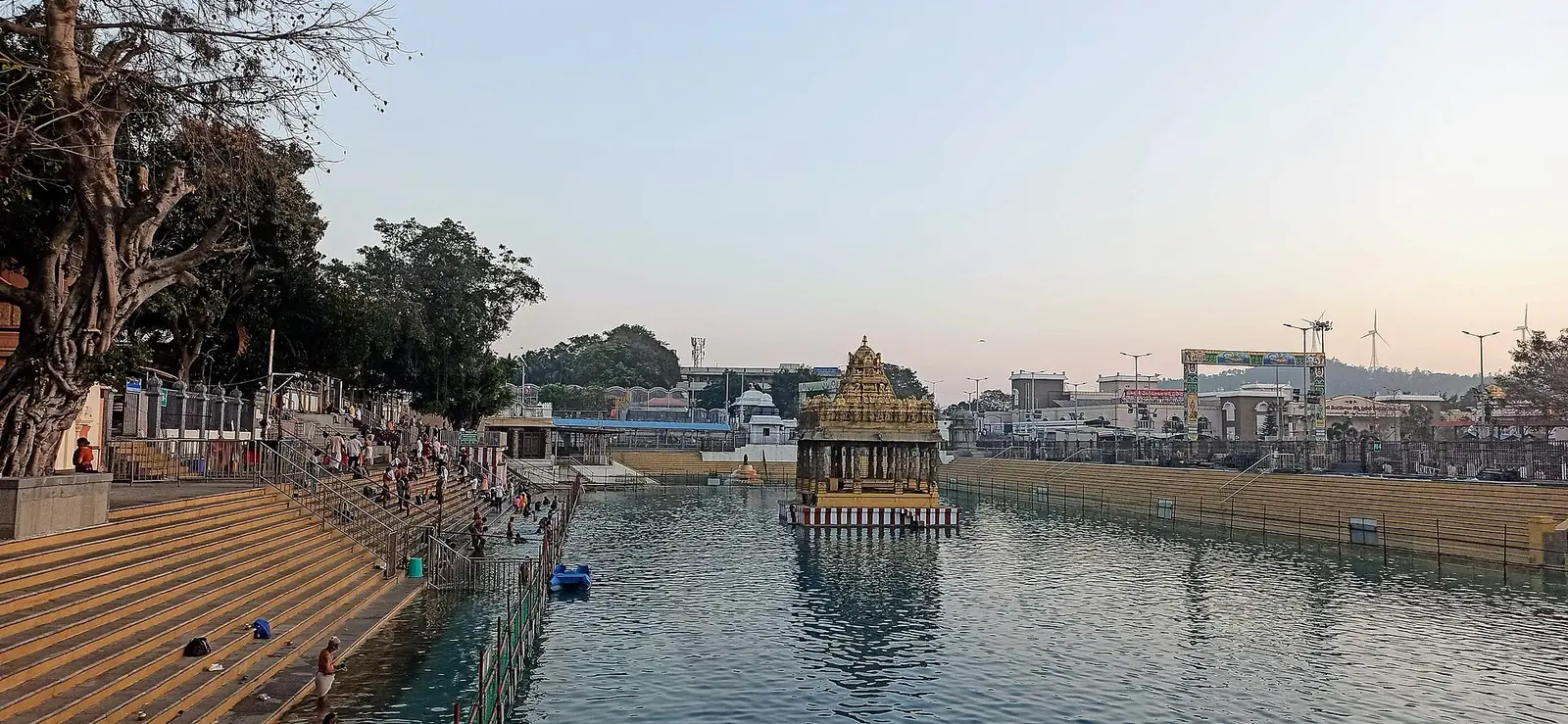
Most South Indian temples have a stepped tank, and the pilgrim bathes in it before going in for darshan. At Tirumala the custom is to bathe in Swami Pushkarini before darshan of Shri Venkateswara. The tank also holds the water for the temple's own rites, and the deity is taken out on it in the float festival.
Tirumala, and temples across South Indiaछेरा पहँरा · TempleChhera PahanraThe king who sweeps
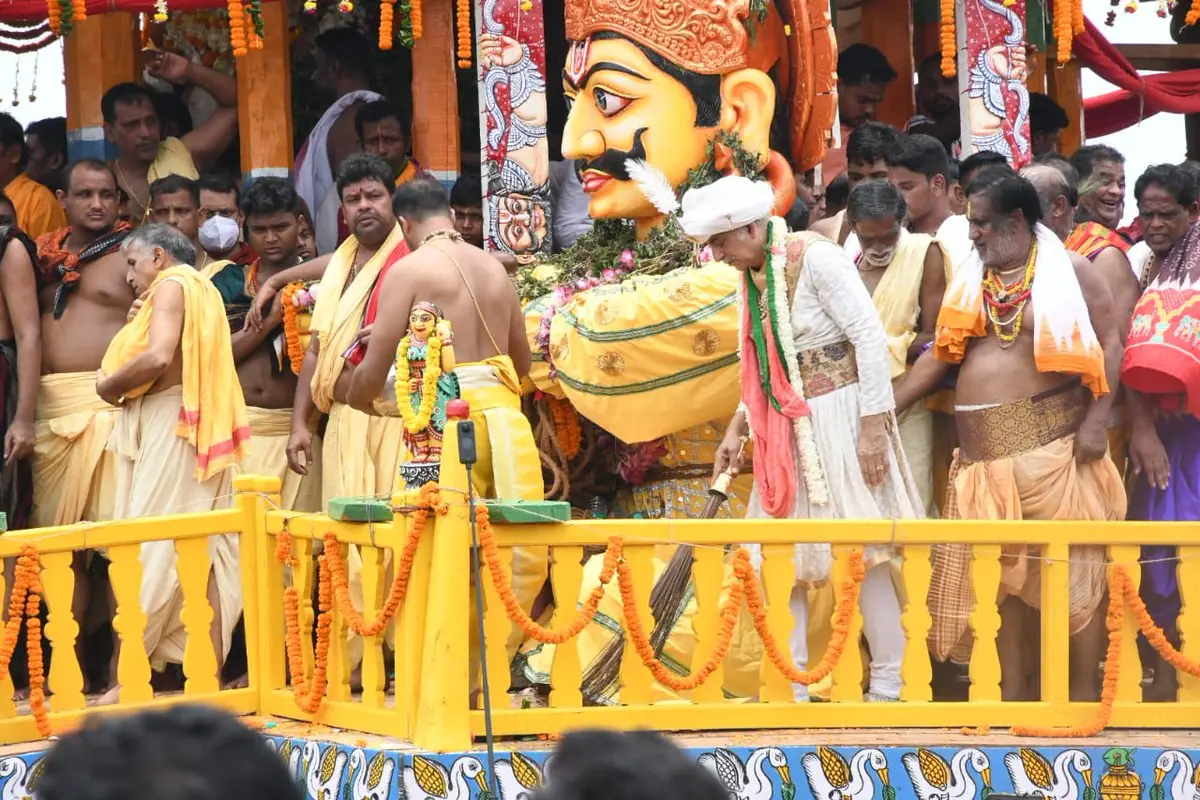
At Ratha Yatra in Puri, the Gajapati Maharaja sweeps the floors of the three chariots with a golden broom. Only after the king has swept the chariots of Jagannath, Balabhadra and Subhadra are they pulled. Priests read it as a lesson: before Bhagwan, the king and the sweeper are equal.
Puri, Odishaगुंडिचा मार्जन · TempleGundicha MarjanaWashing the Gundicha temple
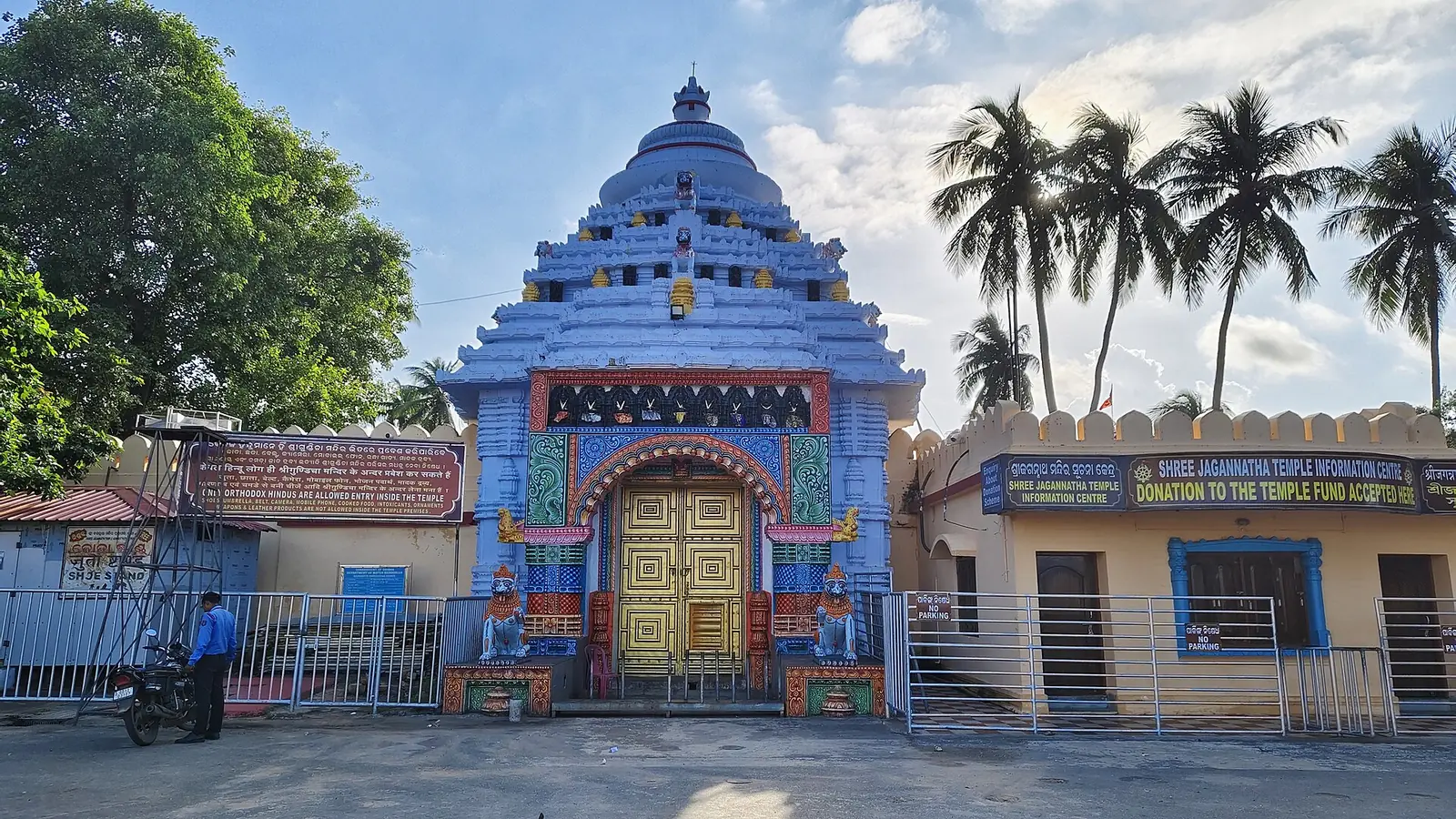
The day before Ratha Yatra, devotees scrub the Gundicha temple in Puri, where Jagannath will stay for the week. Gaudiya Vaishnavas remember that Shri Chaitanya Mahaprabhu led this cleaning himself, sweeping out dust and straw with his companions. They still treat it as the cleaning of the heart before Bhagwan comes.
Puri, and ISKCON temples worldwideघाट · WaterGhatsSteps down to the river
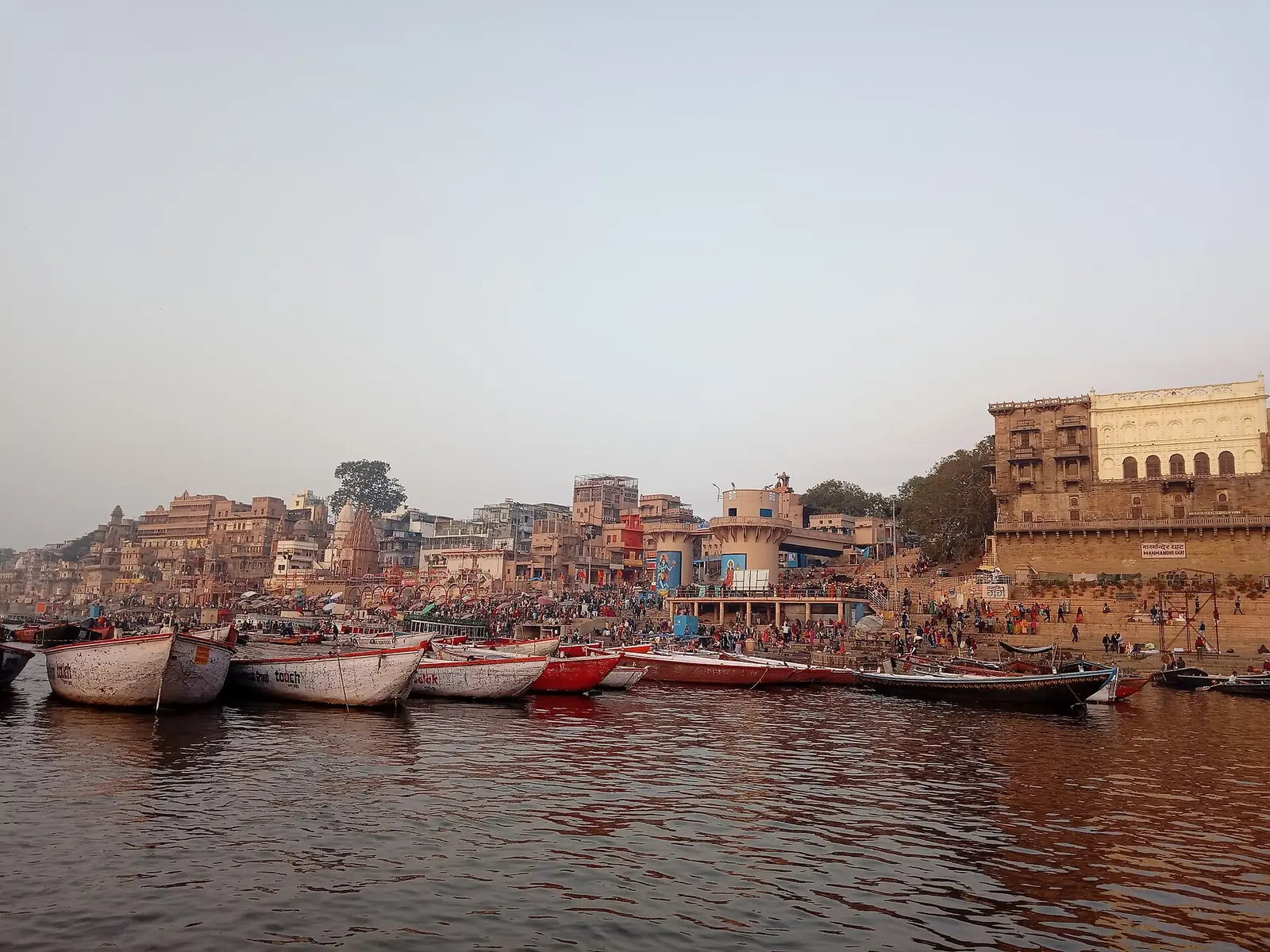
At the ghats of Kashi people go down the stone steps before sunrise to bathe in Ganga. A dip at dawn, an arghya to Surya, a few drops sipped from the palm. The bath in Kartik is held especially holy, and the great bathing days draw crowds to every ghat on the river.
Kashi, Haridwar, Prayag and every river townकुंड · WaterKundThe stepped pool before the shrine
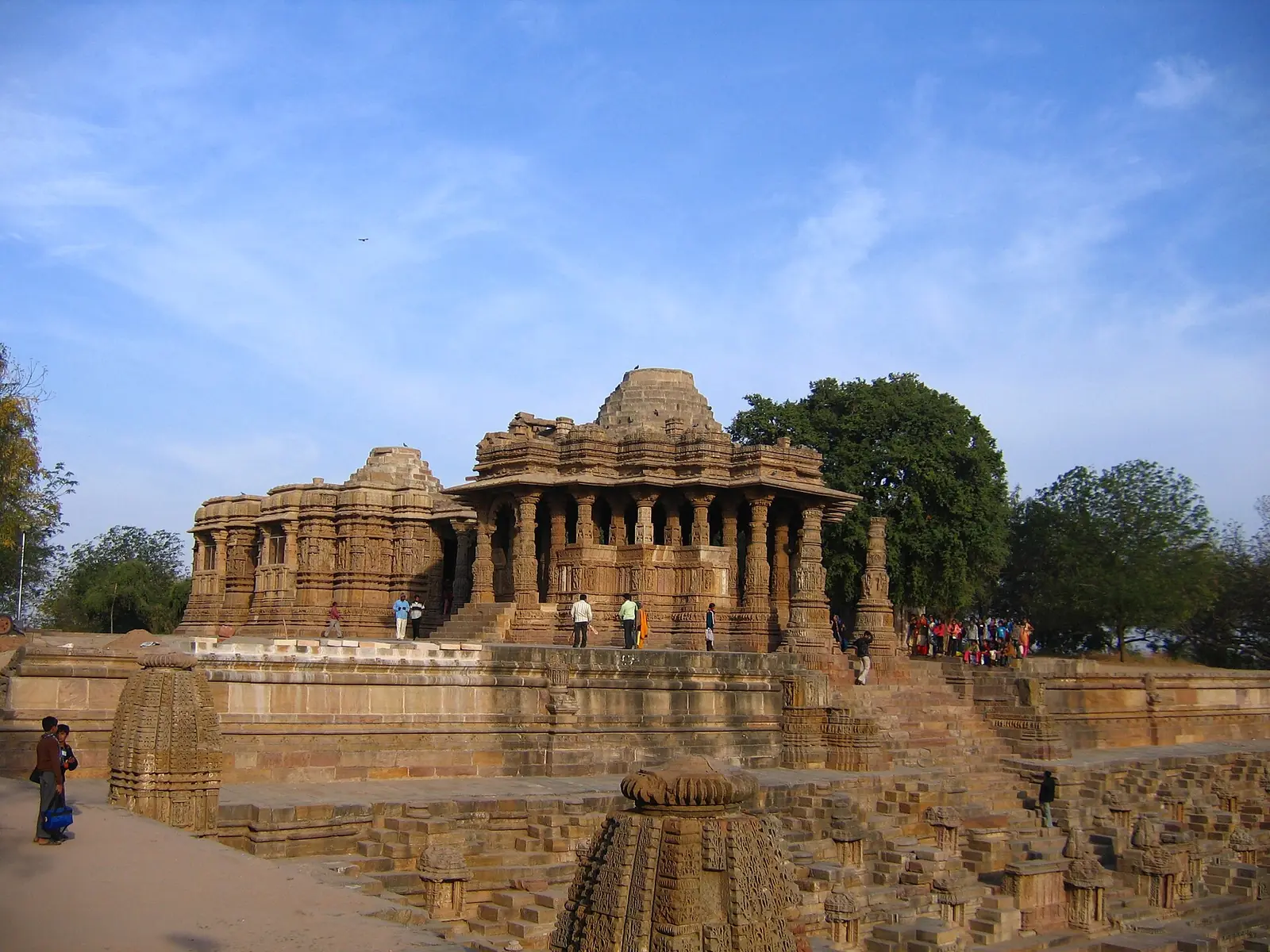
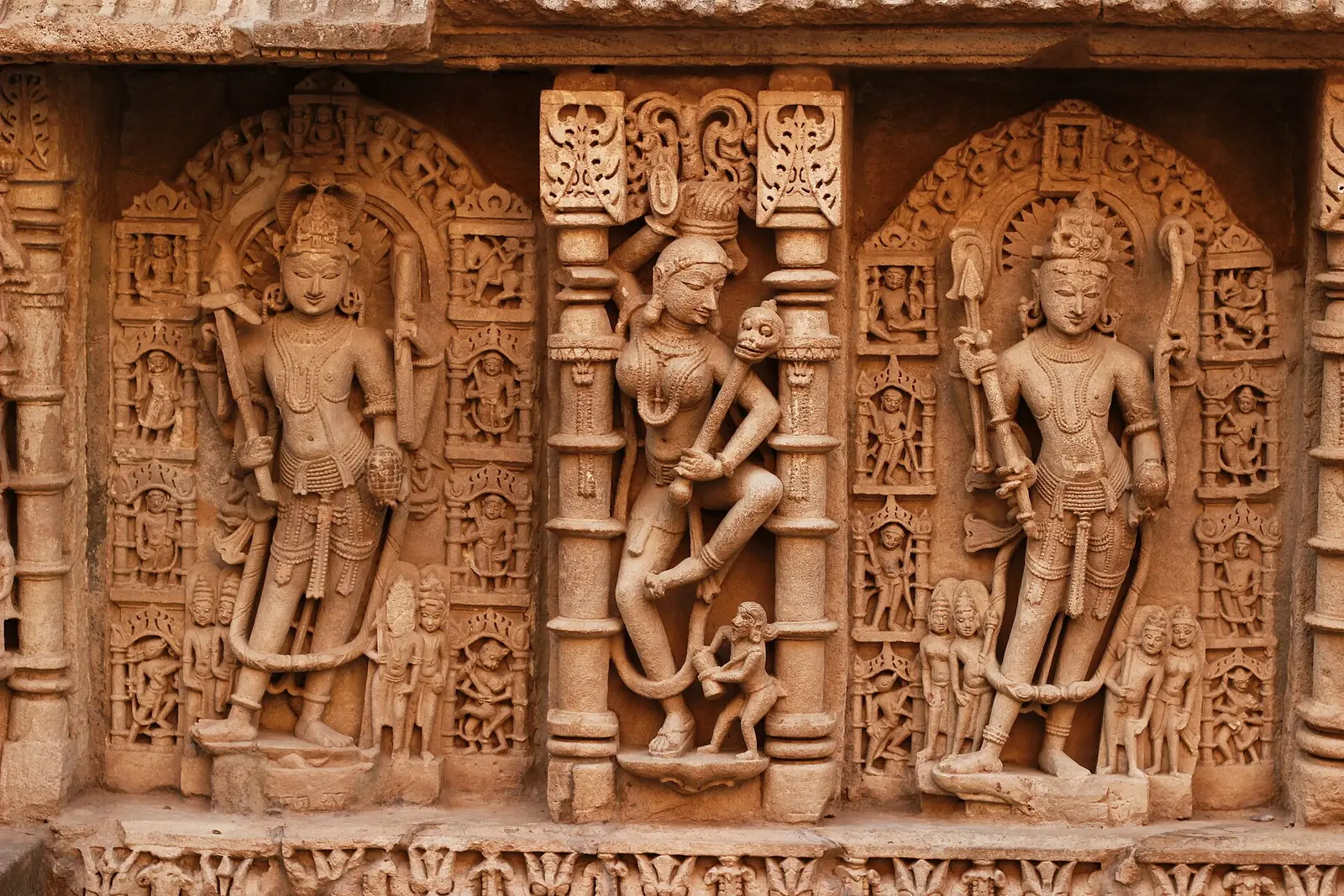
At Modhera the Surya Kund falls in stepped terraces before the 11th-century Sun Temple. The worshipper came down the steps to bathe, then climbed to the shrine. Small shrines sit on the terraces, so the walk down to the water is already a walk past the gods.
Modhera, Gujaratगंगाजल · WaterGanga jalWater from Ganga, kept at home
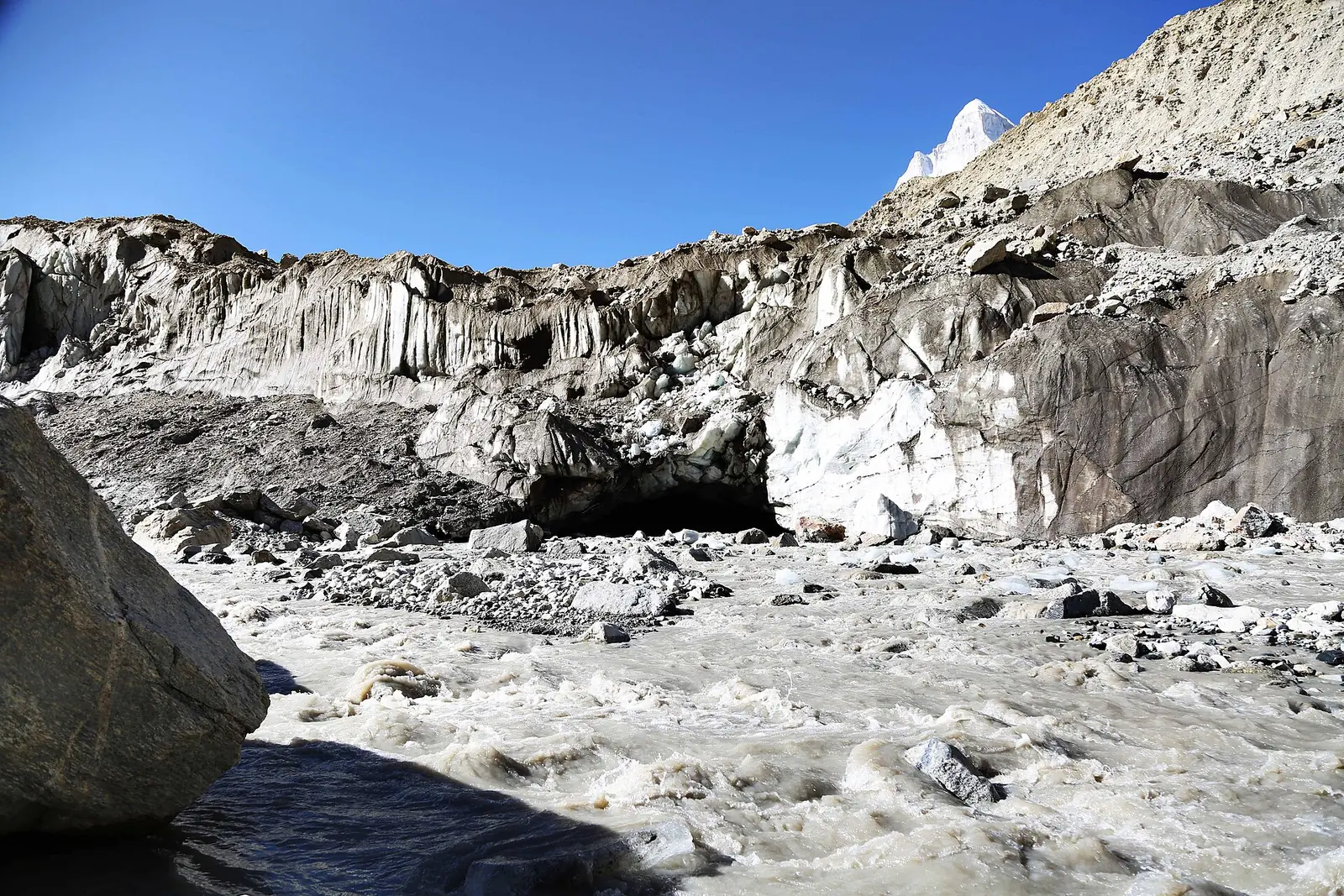
Most Hindu homes keep a sealed pot of Ganga jal, carried back from Haridwar or Kashi. A few drops are sprinkled to purify the puja space, a new house or a newborn's room. A spoonful is put in the mouth of the dying. The rivers are called into ordinary water too, with the snana mantra.
Hindu homes everywhereविशाल स्नानागार · WaterThe Great BathMohenjo-daro's bathing tank
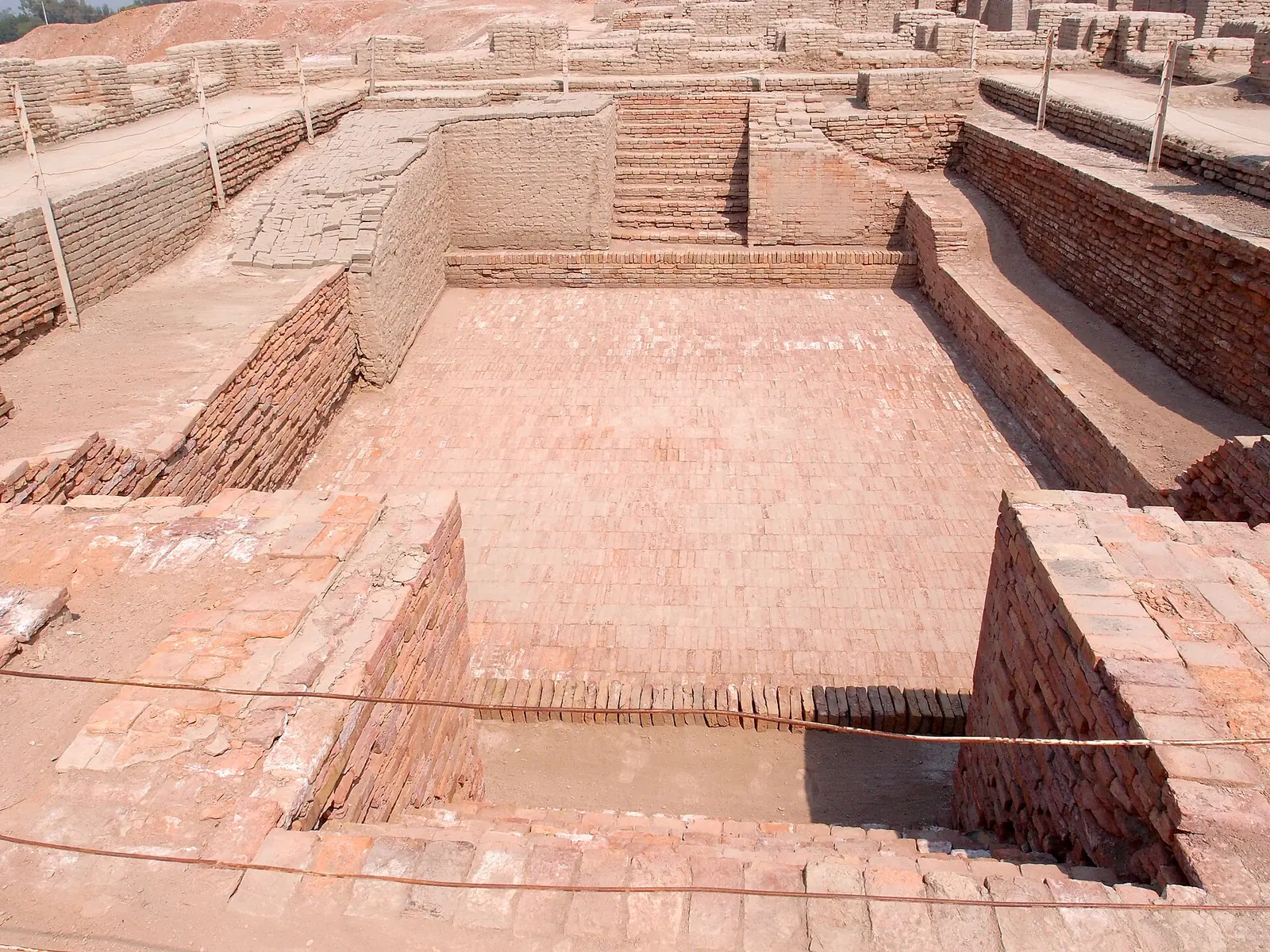
On the citadel of Mohenjo-daro, in the 3rd millennium BCE, a brick tank was sealed with bitumen and reached by steps. It is about 12 metres by 7 and was fed from a well nearby. Its purpose is not known for certain, but many see in it a place of ritual bathing, the oldest likeness of the temple tank.
Mohenjo-daro, Sindhकेले का पत्ता · FoodBanana leafThe plate used once
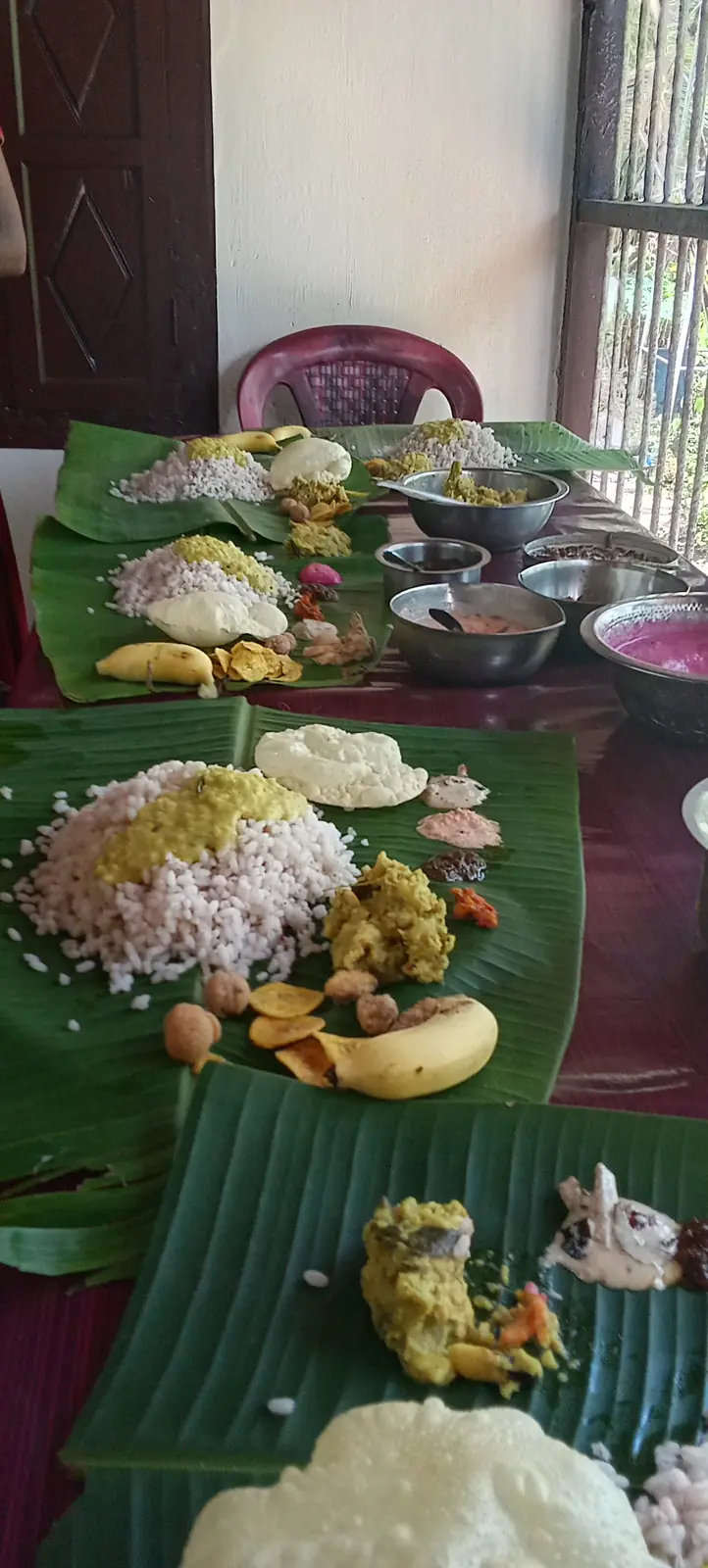
In the South a feast is served on a banana leaf, washed with a sprinkle of water before the food goes on. The leaf is laid with its tip to the guest's left. Each dish has its place on it, and after the meal the leaf often goes to the cows. No plate is shared, so none needs washing.
Kerala, Tamil Nadu, Karnatakaपत्तल · FoodPattalLeaf plates stitched by hand
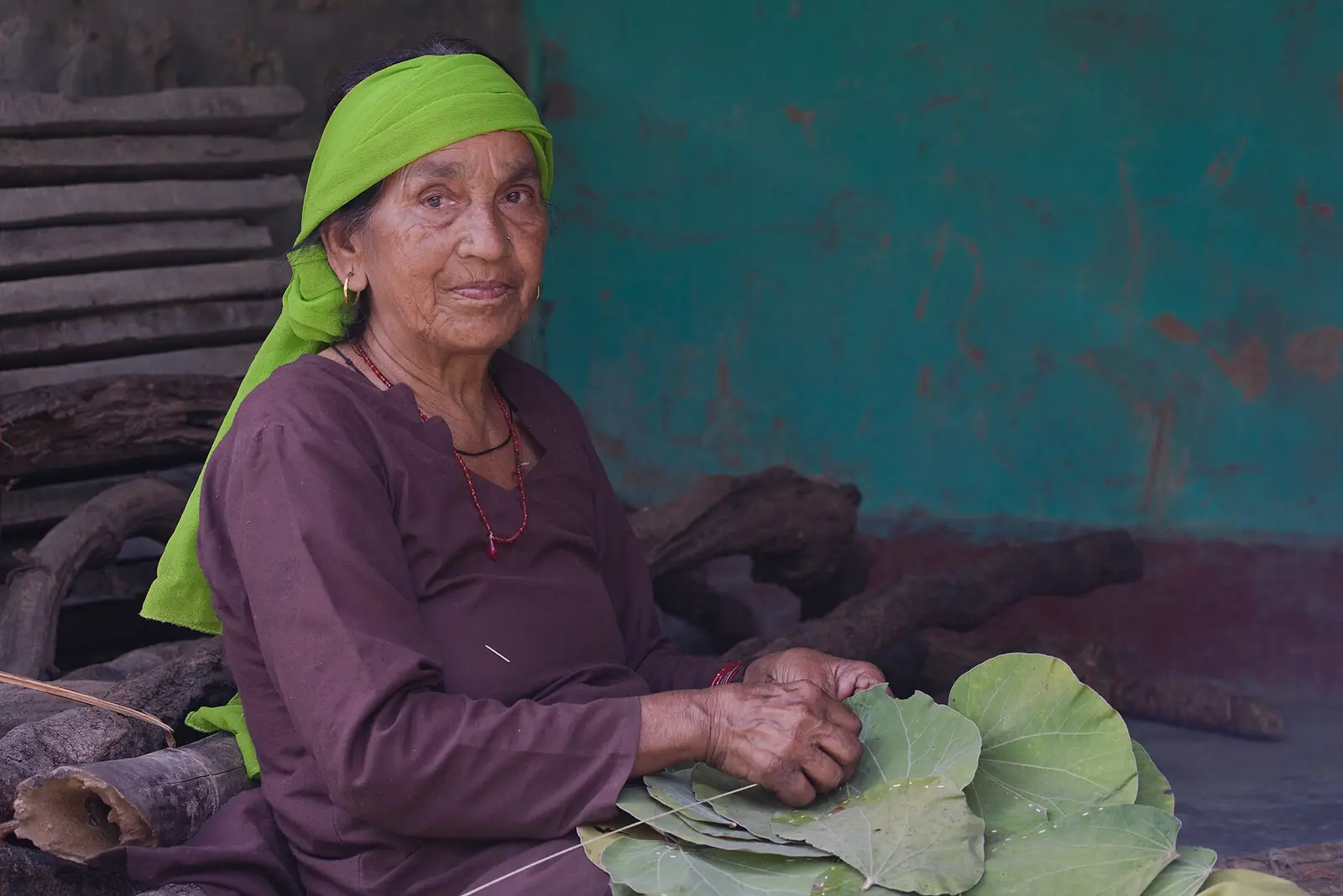
In the North and the hills, leaves are pinned together with slivers of twig into plates and bowls. Weddings, bhandaras and temple feasts were served on them for generations. Each guest eats from a fresh one, and when the meal is over it goes back to the soil.
North and Central India, Himachal, Odishaबर्तन माँजना · FoodScrubbed brass and copperVessels scoured to shine
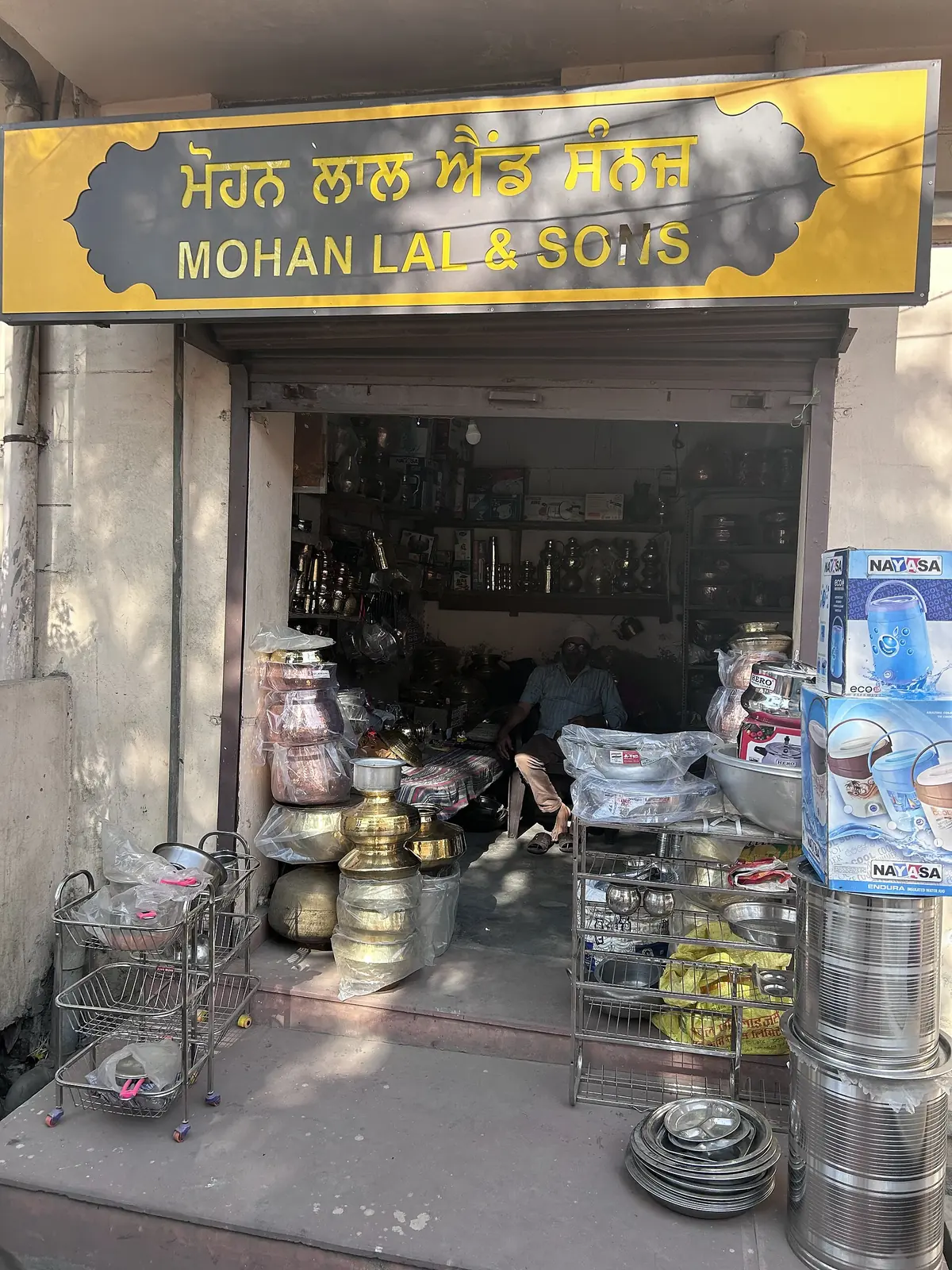
Brass and copper vessels are scoured with ash, sand or tamarind until they shine again. Puja vessels, the lota and the water pot are cleaned this way at the well or the tap. A dull lamp or a green kalash on the shrine would shame the house.
Homes and temples across Indiaमडि · FoodMadiThe kitchen kept pure
In many South Indian homes the cook bathes and wears cloth washed and dried untouched before lighting the stove. This state is called madi in Kannada. Food cooked in madi is offered as naivedya before anyone tastes it. Nobody walks into such a kitchen in outdoor clothes or shoes.
Karnataka and neighbouring regionsसत्य · MindTruth cleans the mindSpeech kept clean
Water cleans the limbs, says Manusmriti, and truth cleans the mind. Elders say a lie spoils a puja as surely as unwashed hands. The rule goes into ordinary speech: no abuse at the meal, no quarrel before the lamp.
Inner shaucha is the washing away of the mind's stains, as the Vyasa bhashya on the Yoga Sutra puts it. The Chandogya Upanishad says that when food is pure the mind becomes pure, and memory grows firm. Adi Shankaracharya read food here as all that the senses take in: what we see and hear as well as what we eat.
Yoga Sutra 2.32 and 2.41; Chandogya Upanishad 7.26.2
Practices
Simple practices from the texts and from household custom. Tick the steps as you go; your ticks stay on this device.
१
दिनचर्या · Every morning, before sunrise
A dawn routine
Why. The The Ashtanga Hridaya opens its chapter on the daily routine with rising in brahma muhurta, and soon turns to cleaning the teeth with a twig. Puja follows the bath.
Ashtanga Hridaya, Sutrasthana 2 (Dinacharya)
२
स्नान मंत्र · At the daily bath
Calling the rivers into your bath
Why. The verse asks Ganga, Yamuna, Godavari, Sarasvati, Narmada, Sindhu and Kaveri to be present in this water. Any bath becomes a river bath.
Household custom (snana mantra)
३
आचमन विधि · Before puja, sandhya or a meal
How to do achamana
Why. Three sips with the names of Vishnu make the body fit to begin the rite. Lineages differ in their names and mantras; follow your own family's way.
Puranic achamana, as practised in home puja
४
पूजा स्थान की शुद्धि · Before daily puja or a festival
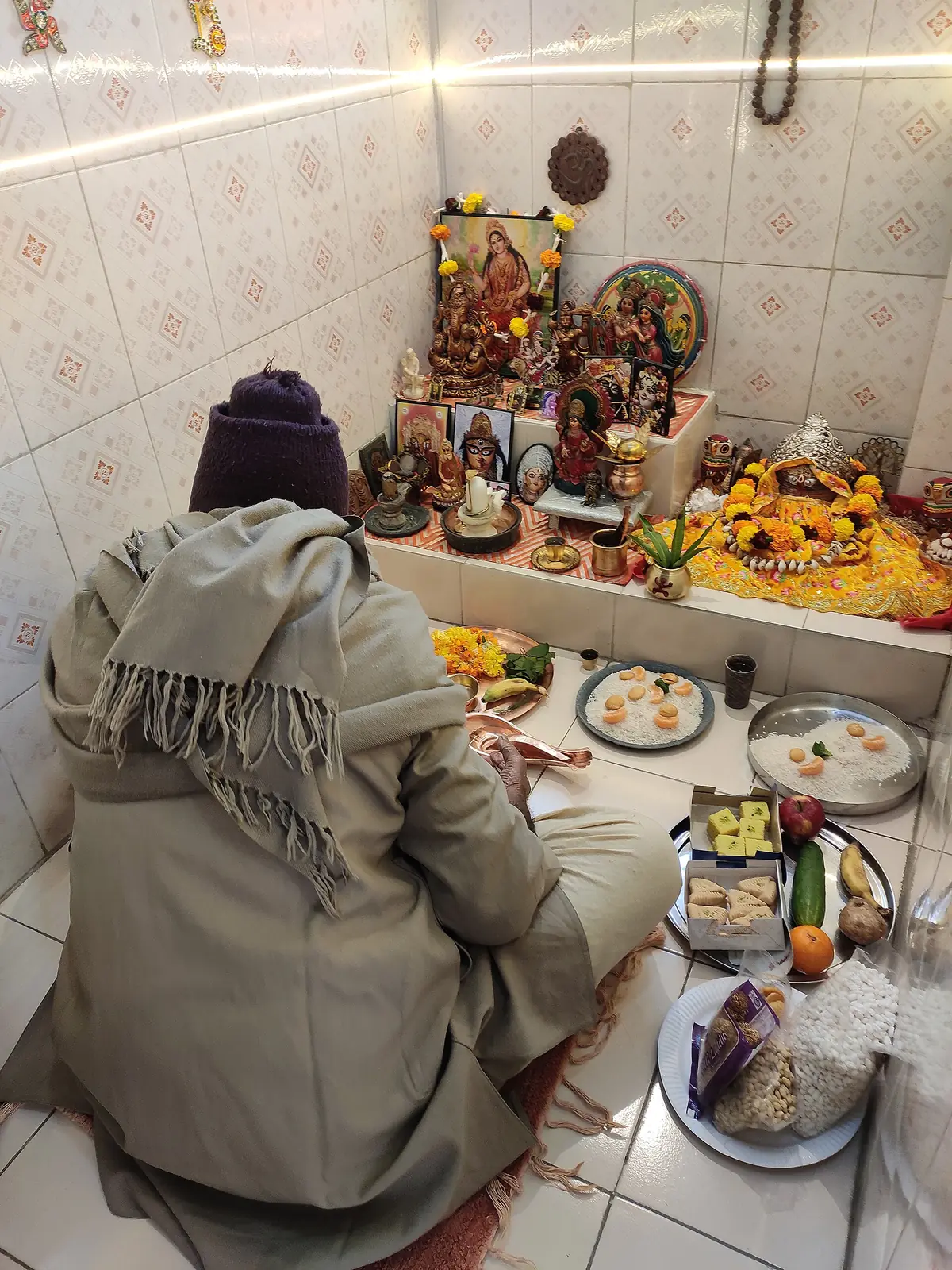
Preparing a puja space
Why. Stale flowers and unwashed vessels are never left before the deity. The space is cleaned first, then made beautiful.
Household custom
५
दीवाली की सफ़ाई · In the weeks before Diwali
Cleaning the home before Diwali
Why. Lakshmi is said to enter only a clean, bright house. Households speak of a missed corner as a missed blessing.
Household custom
६
रसोई की शुद्धि · Every day
Keeping the kitchen in the old way
Why. Cooked food is first offered to Bhagwan, so the kitchen is kept as clean as the shrine. What is offered then comes back as prasad.
Household custom
७
जल की रक्षा · Whenever you visit a ghat, tank or well
Keeping a river or tank clean
Why. Manusmriti 4.56 forbids putting urine, faeces, spittle, blood or poison into water. The rivers are worshipped as Devi; fouling them is an offence against her.
Manusmriti 4.56; household custom
८
आभ्यन्तर शौच · Through the day
Inner shaucha
Why. Patanjali puts shaucha first among the niyamas. Manusmriti says truth cleans the mind, and the Vyasa bhashya calls inner purity the washing away of its stains.
Yoga Sutra 2.32 with the Vyasa bhashya; Manusmriti 5.109

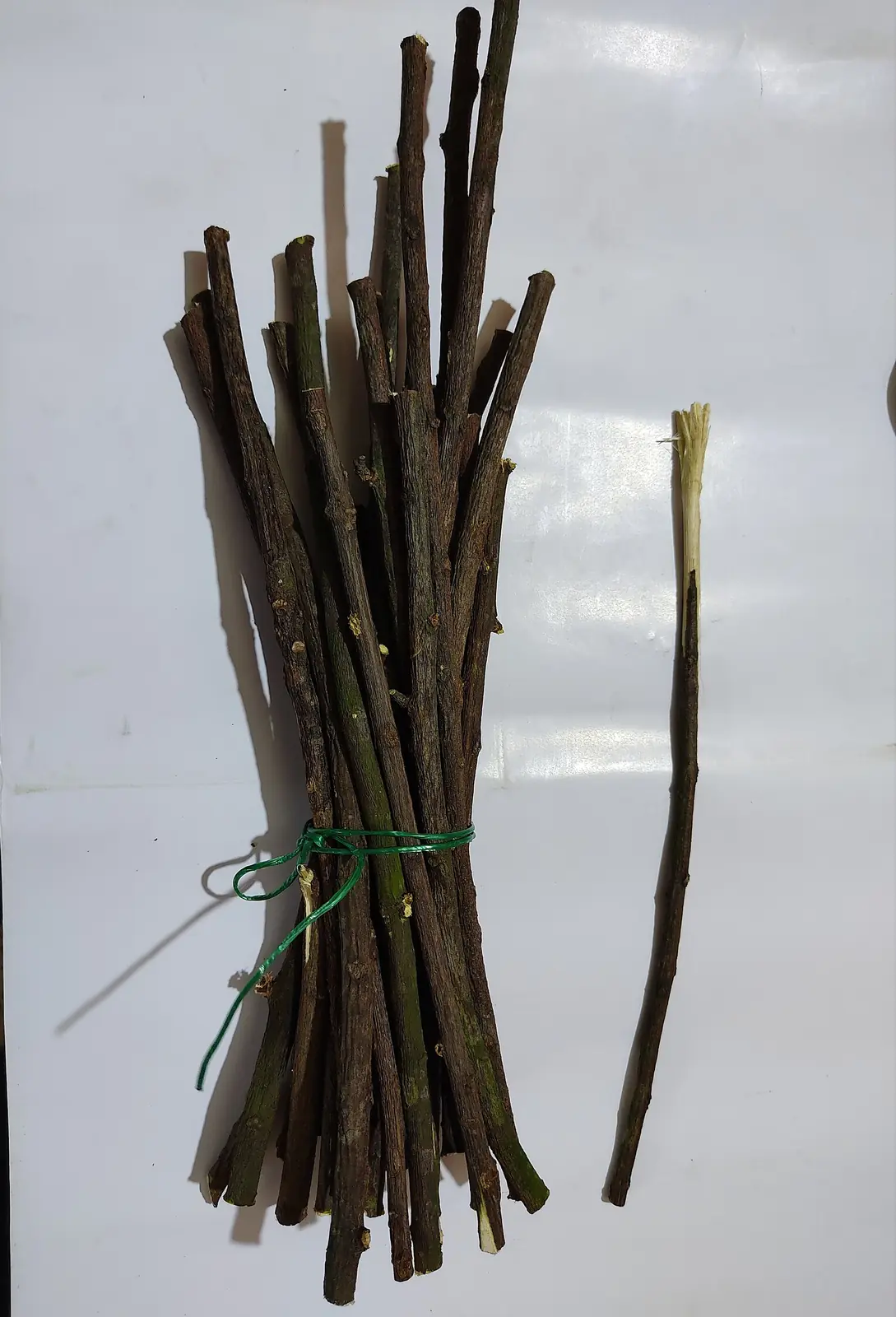 दातुन · BodyDatunThe tooth-twig