
Maratha Painting
मराठा चित्रकला
Wall paintings in the wadas of the Peshwa age at Pune, Wai, Menavali and Satara, with Rajasthani line and Maharashtrian life.
- Also calledPeshwa painting, Poona painting
- FromPune and the Satara country
- Period18th–19th century
- Seen atMenavali, Wai, Satara museum
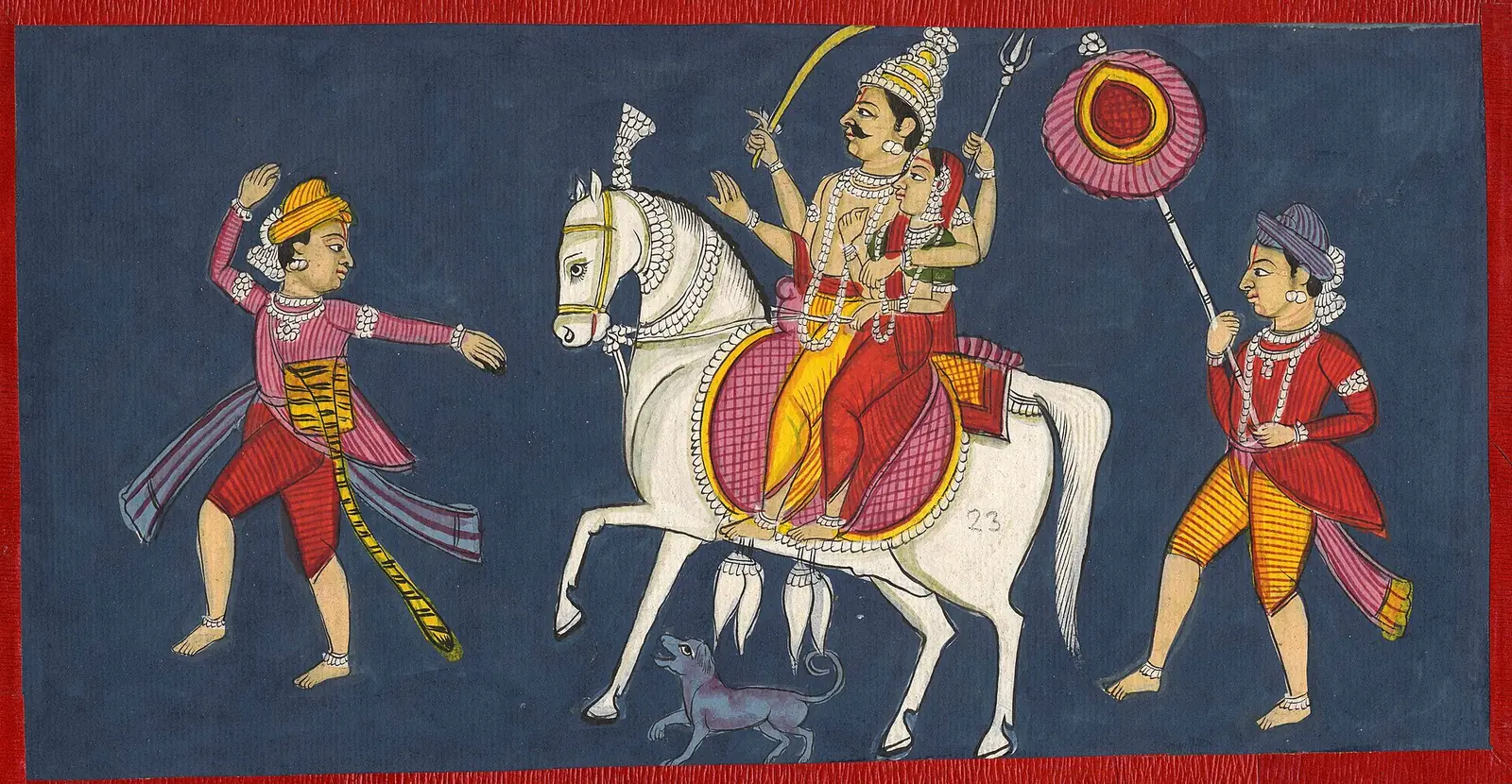
Khandoba and the Dashavatara
१DashavataraVishnu's ten avatars on wada walls
२MahishasuramardiniDevi slaying the buffalo asura
३Kaliya-mardanaKrishna dancing on the serpent
४Amrita manthanThe churning of the ocean
५KhandobaThe deity of Jejuri, often painted with Mhalsa
Indigo and red ochre on lime
Murals on lime plaster in the courtyards and halls of wadas, and smaller paintings on paper. The Peshwas also brought painters from Rajasthan.
Wada walls and saved fragments
- 18th centuryWada walls
Peshwa nobles had their wadas painted. Few survive; the Nana Phadnavis wada at Menavali and the Motibag wada at Wai keep some.
- 19th centurySatara
The Satara paintings are later, when the Rajasthani influence had faded.
- TodaySaved fragments
Fragments from the wada of Jairam Swami of Vadgaon are kept in the Chhatrapati Shivaji Maharaj Museum, Satara.
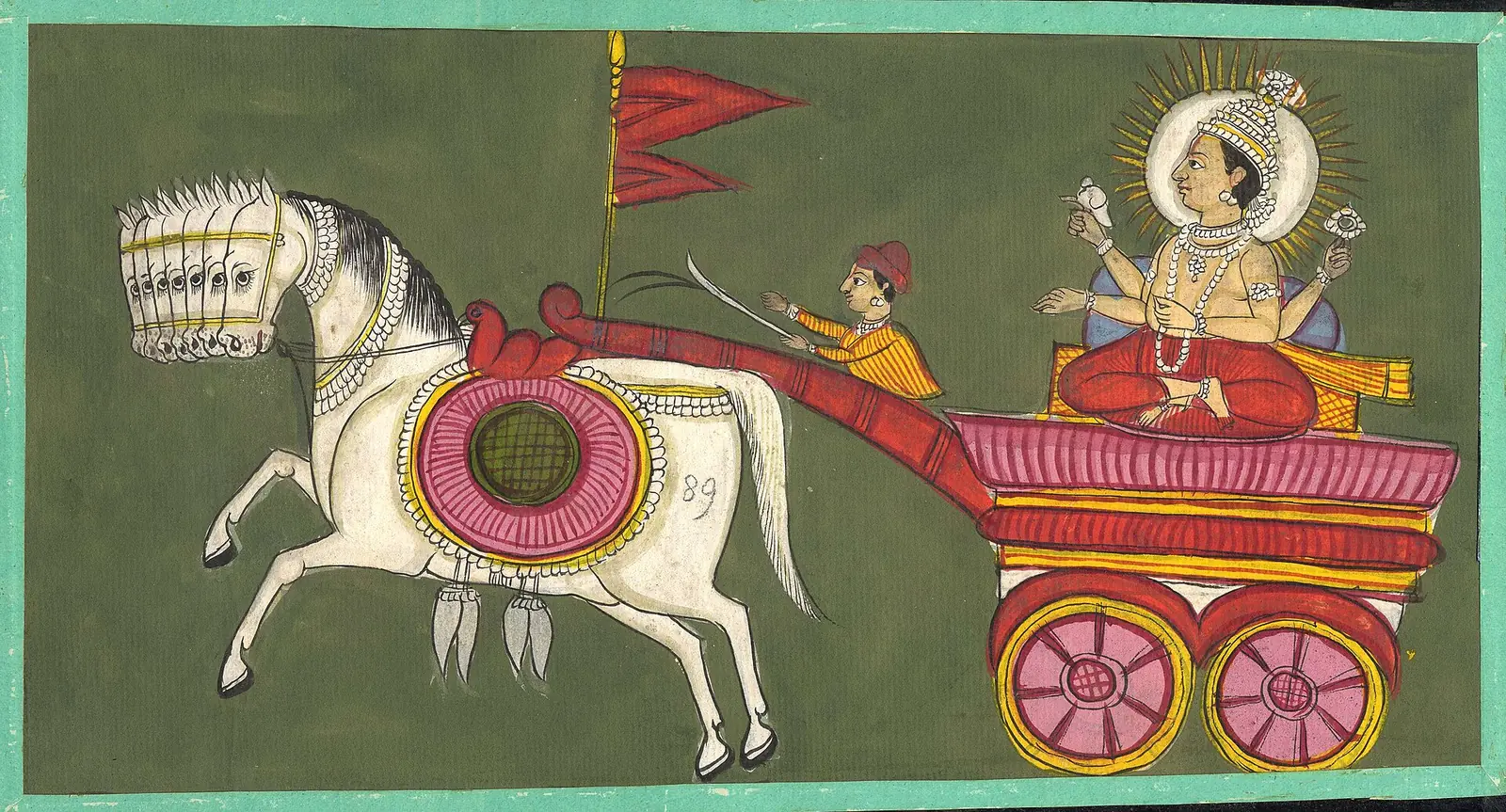
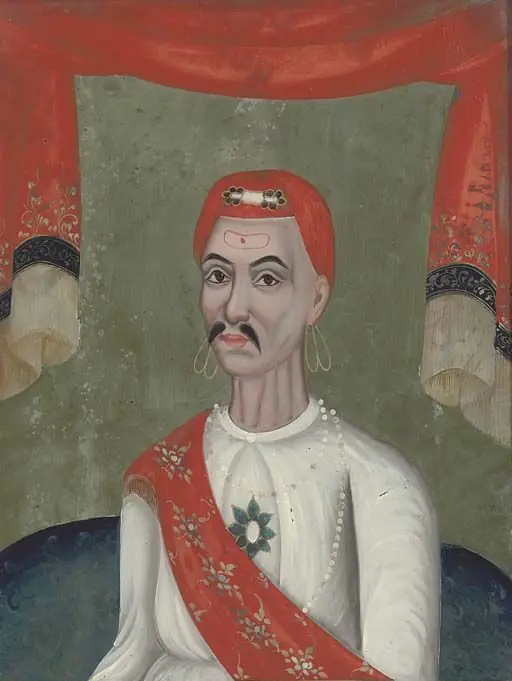
Surya and a reverse glass portrait
Related
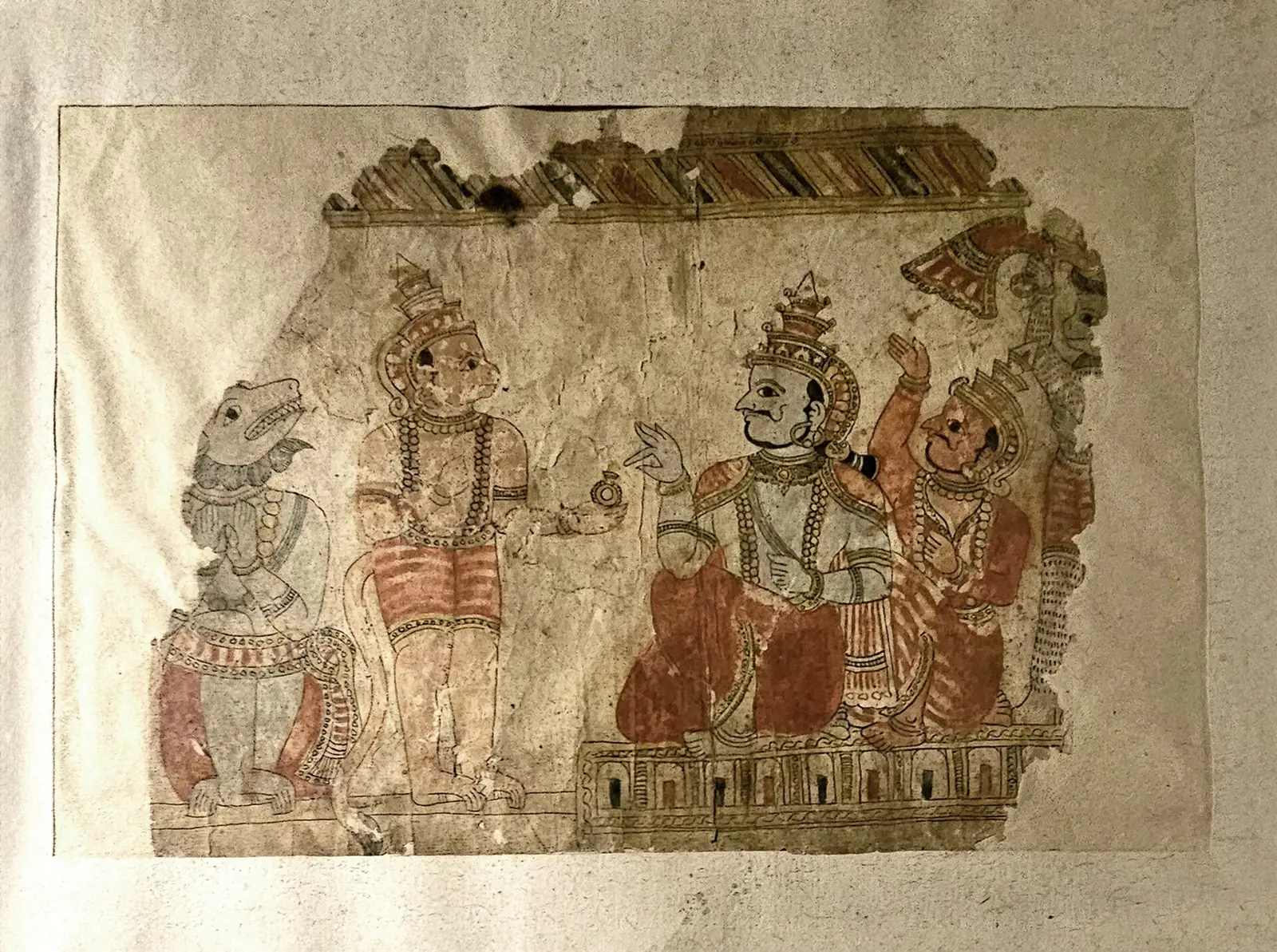 ChitrakathiPinguli, Sindhudurg, Maharashtra; once also Paithan
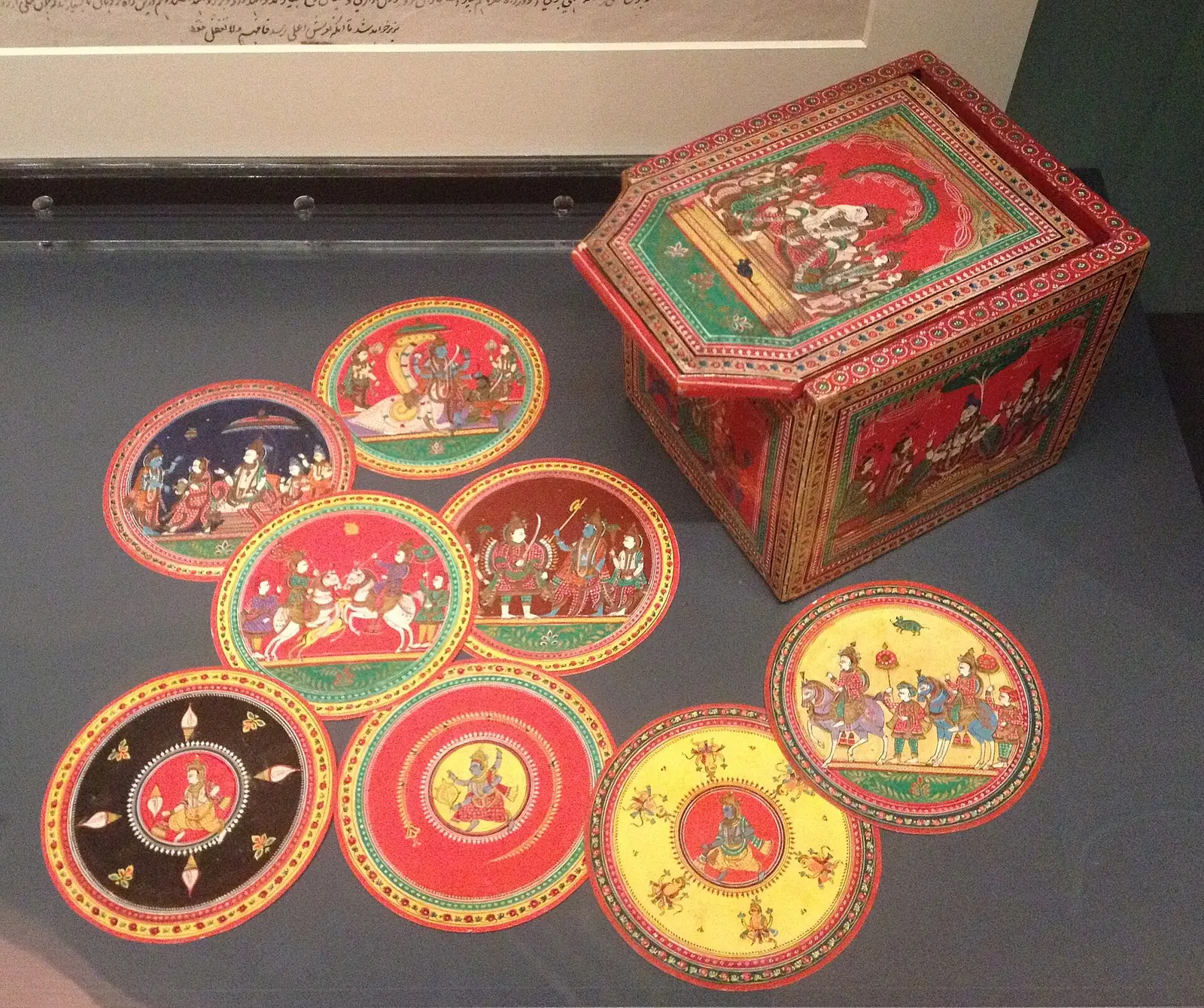 Dashavatara GanjifaSawantwadi, Mysuru, Odisha and Bishnupur
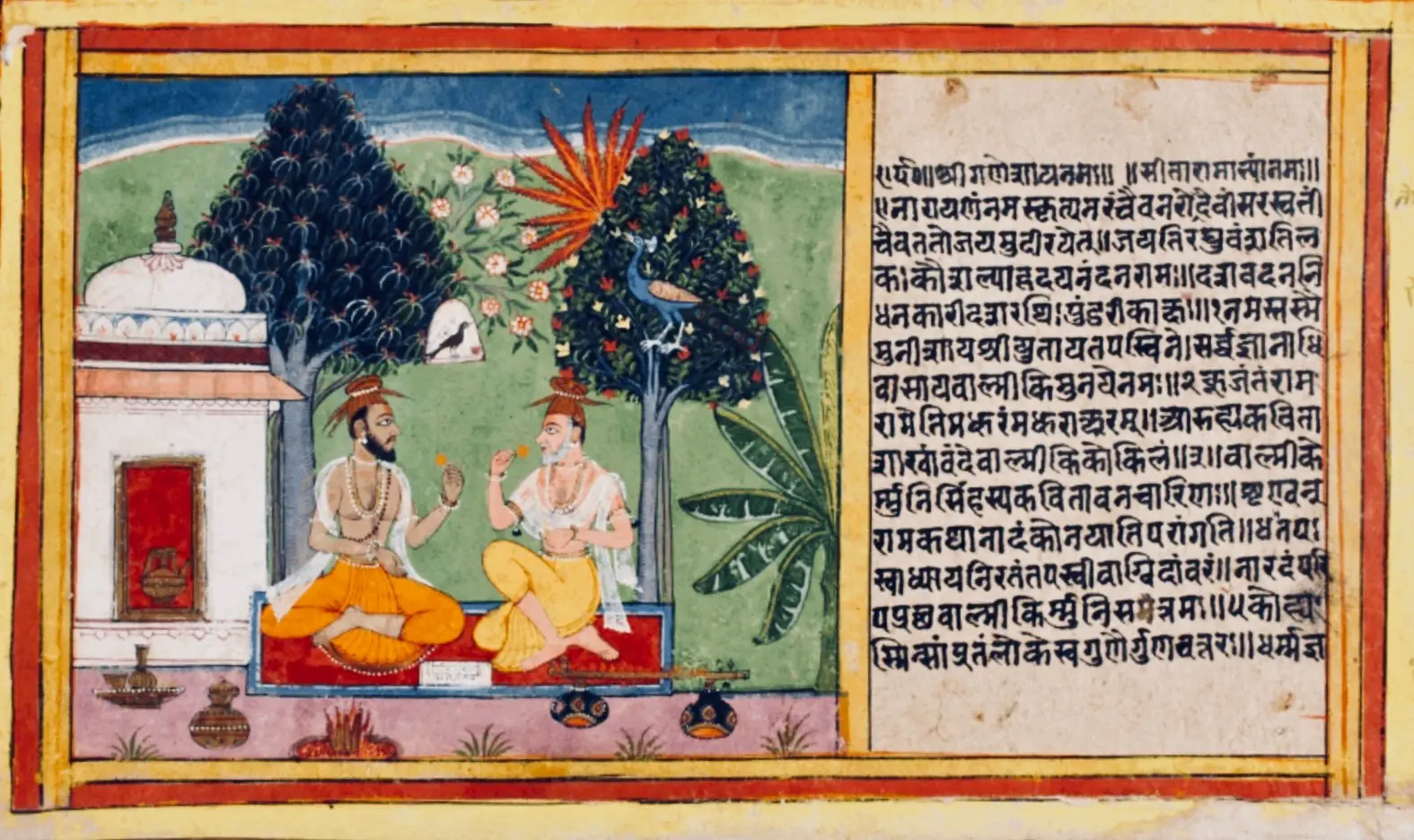 MewarUdaipur, Chawand and Nathdwara, Rajasthan
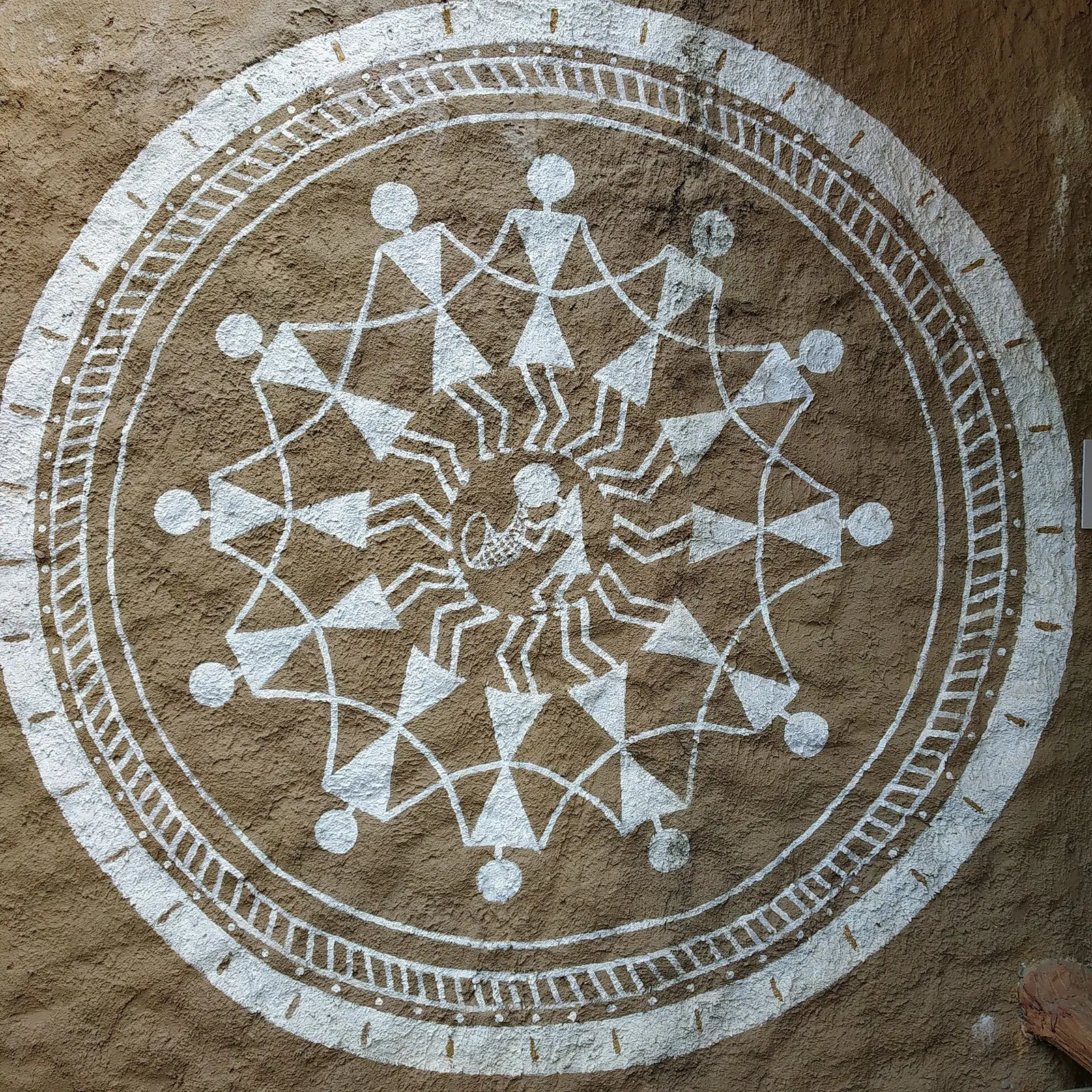 WarliDahanu, Talasari, Jawhar, Palghar and Mokhada, Maharashtra
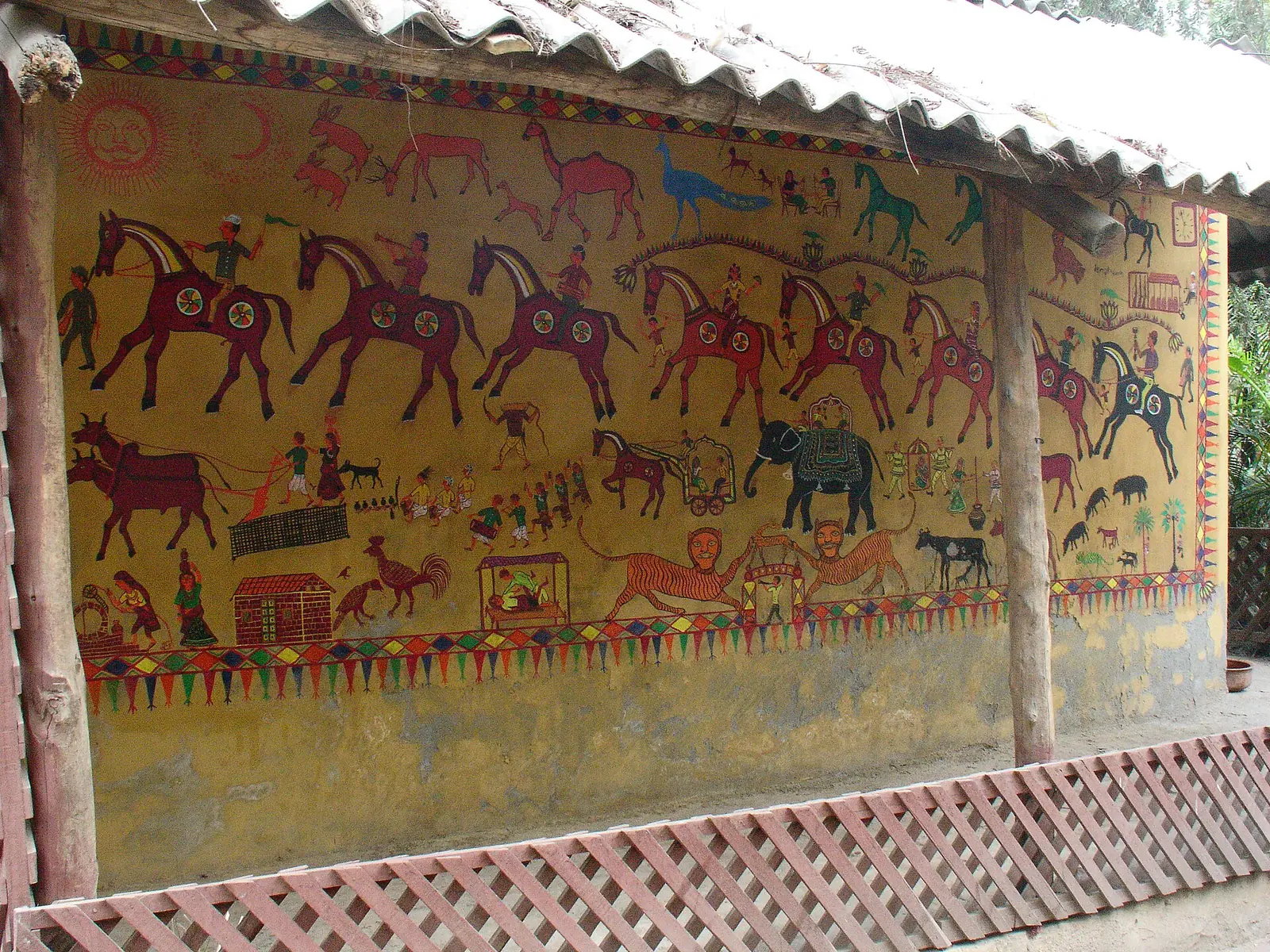 PithoraChhota Udepur and Panchmahal, Gujarat; Jhabua, Madhya Pradesh
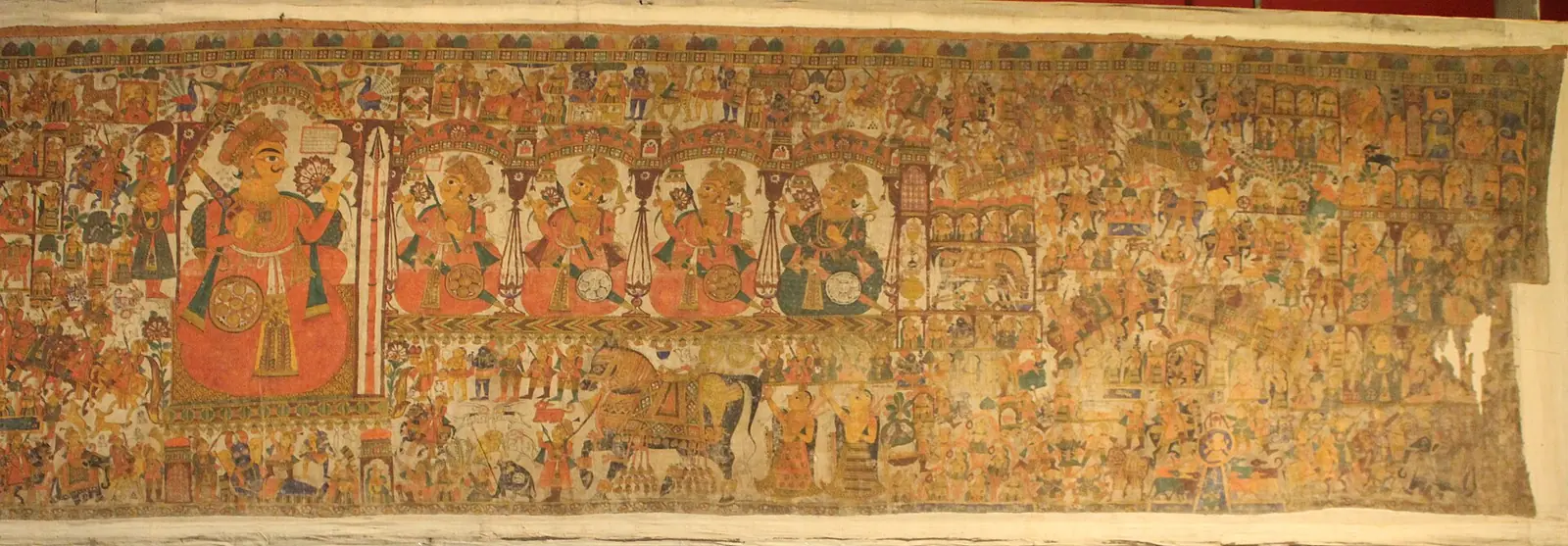 PhadShahpura and Bhilwara, Rajasthan