
Warli
वारली चित्रकला
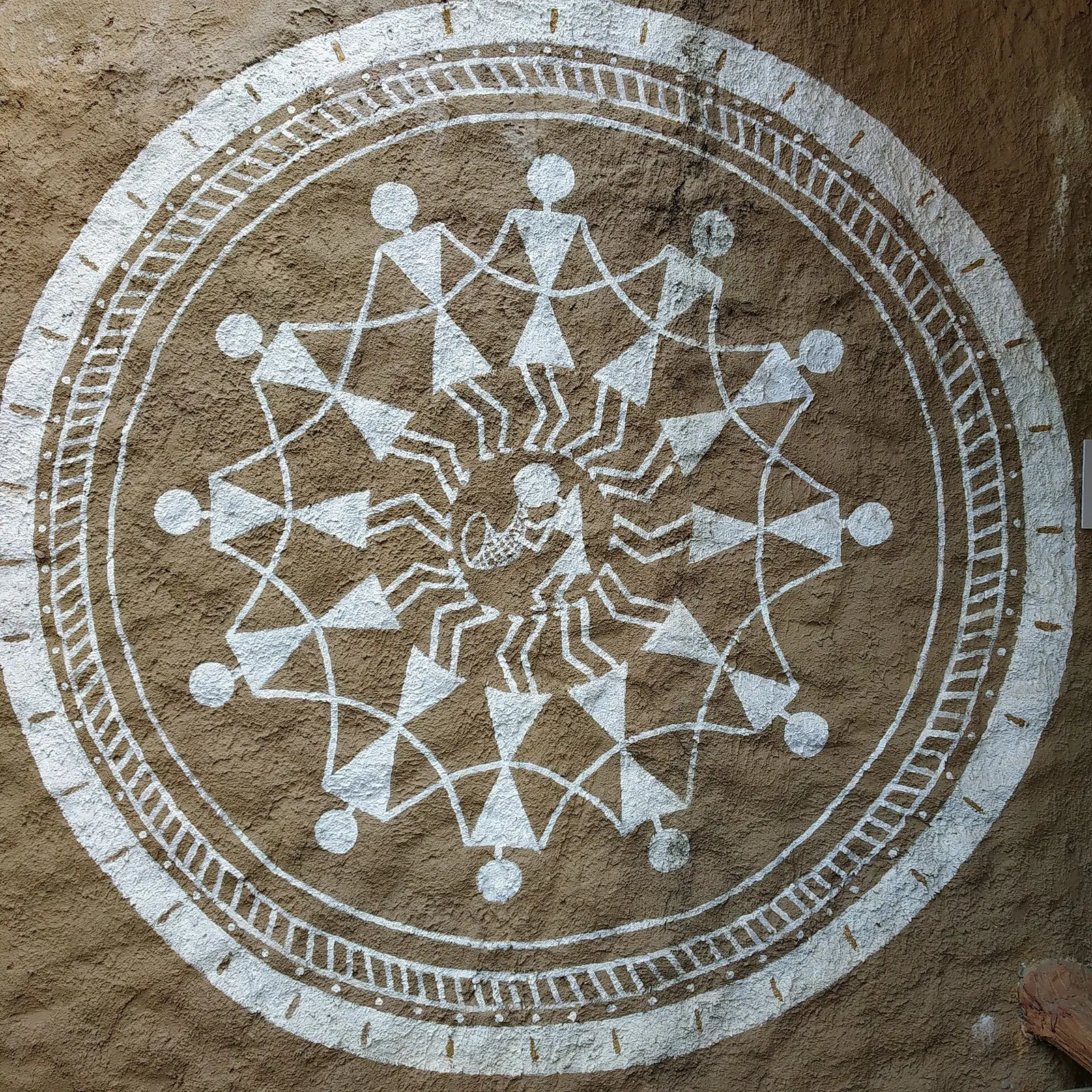
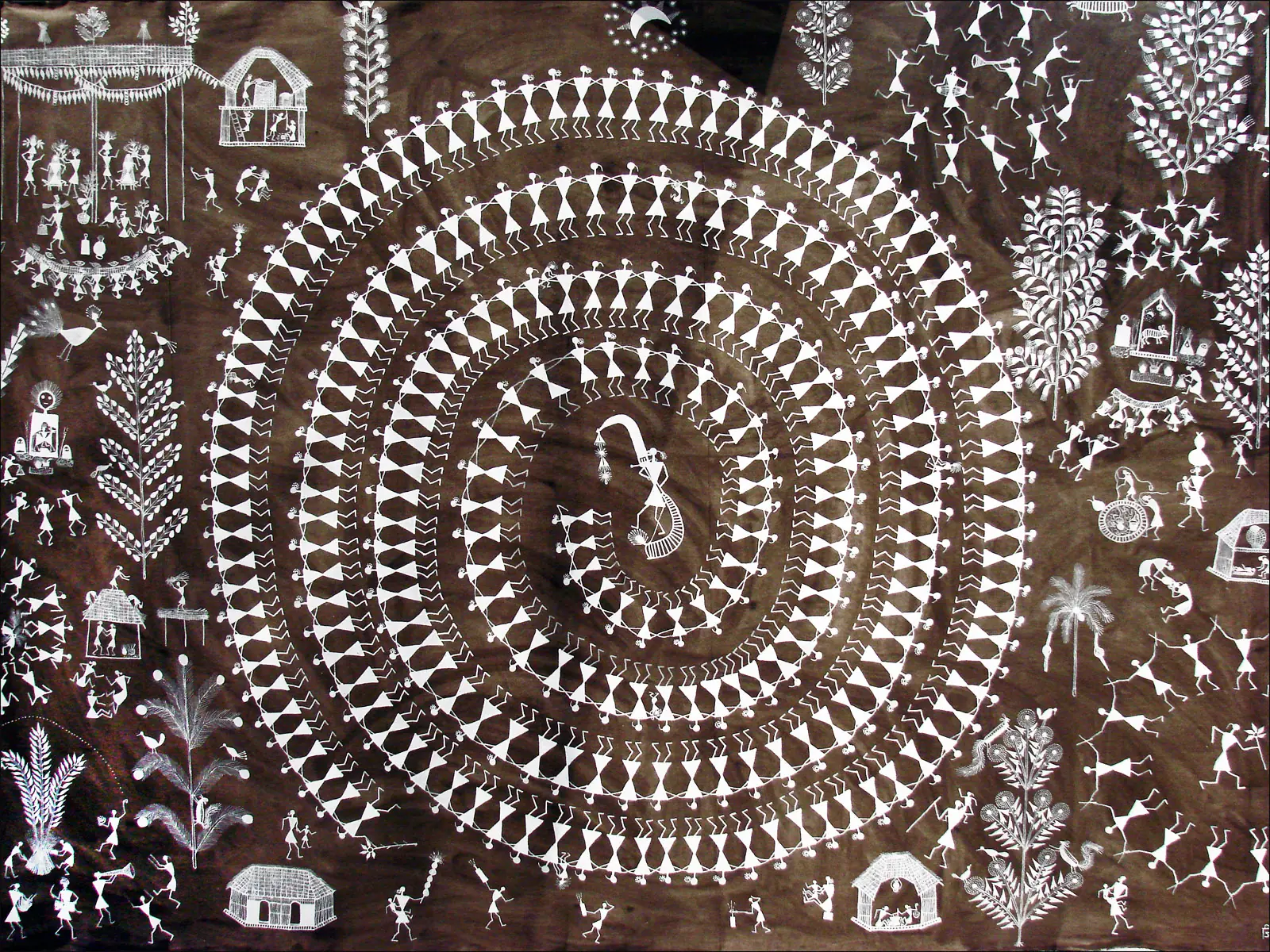
White rice-paste figures on red-earth walls: circles, triangles and squares that dance the tarpa round the mother goddess.
- Also calledWarli art
- FromNorthern Sahyadri, Palghar district
- Painted byWarli women, for weddings and harvests
- Protected?GI tag, registered 2013–14
Two triangles tip to tip
१CircleThe sun and the moon
२TriangleMountains and pointed trees
३Square (chauk)A sacred enclosure or a plot of land
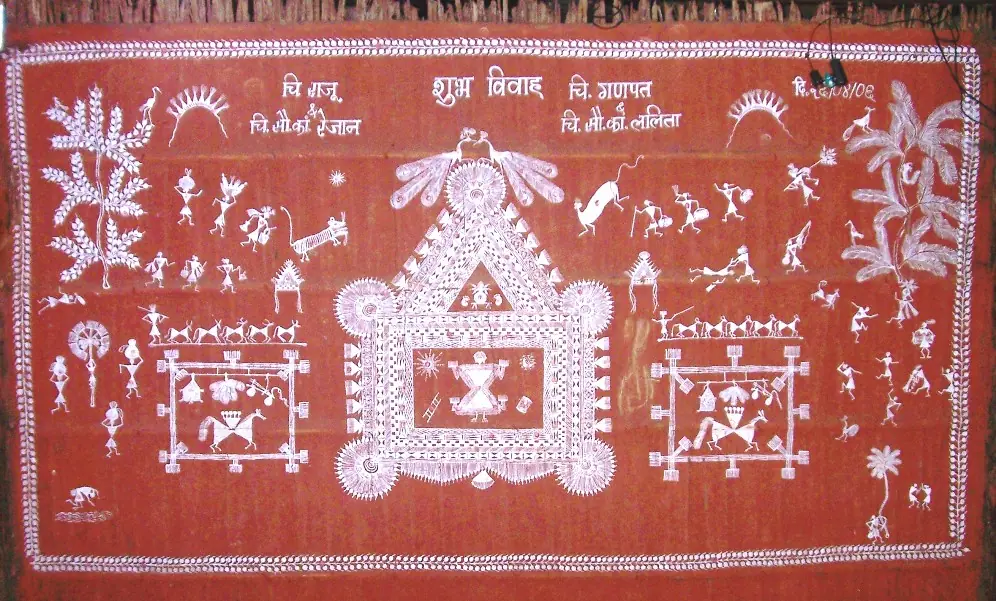
४DevchaukThe square that holds the mother goddess, Palaghata
५Two triangles tip to tipA body, human or animal, in balance
६Tarpa danceDancers circling the tarpa player
Rice flour on a red wall
Ritual paintings go on the inside walls of huts built of branches, earth and red brick. The white is rice flour mixed with water and a little gum. The brush is a bamboo stick chewed at one end until it frays.
Jivya Soma Mashe and the 1970s
- TraditionFor the mother goddess
Walls are painted for weddings, festivals and harvests, with Palaghata in the devchauk at the centre.
- 1970sJivya Soma Mashe
Jivya Soma Mashe of Thane district and his son Balu began painting for art rather than ritual, on paper and canvas. He is called the modern father of Warli painting.
- 2011Padma Shri
Jivya Soma Mashe received the Padma Shri.
- 2013–14A protected name
Warli Painting was registered as a Geographical Indication, helped by the Adivasi Yuva Seva Sangh.
Jivya Soma Mashe of Thane
- Jivya Soma Mashe
- Of Thane district. Padma Shri, 2011.
The devchauk at the wall's centre
Related
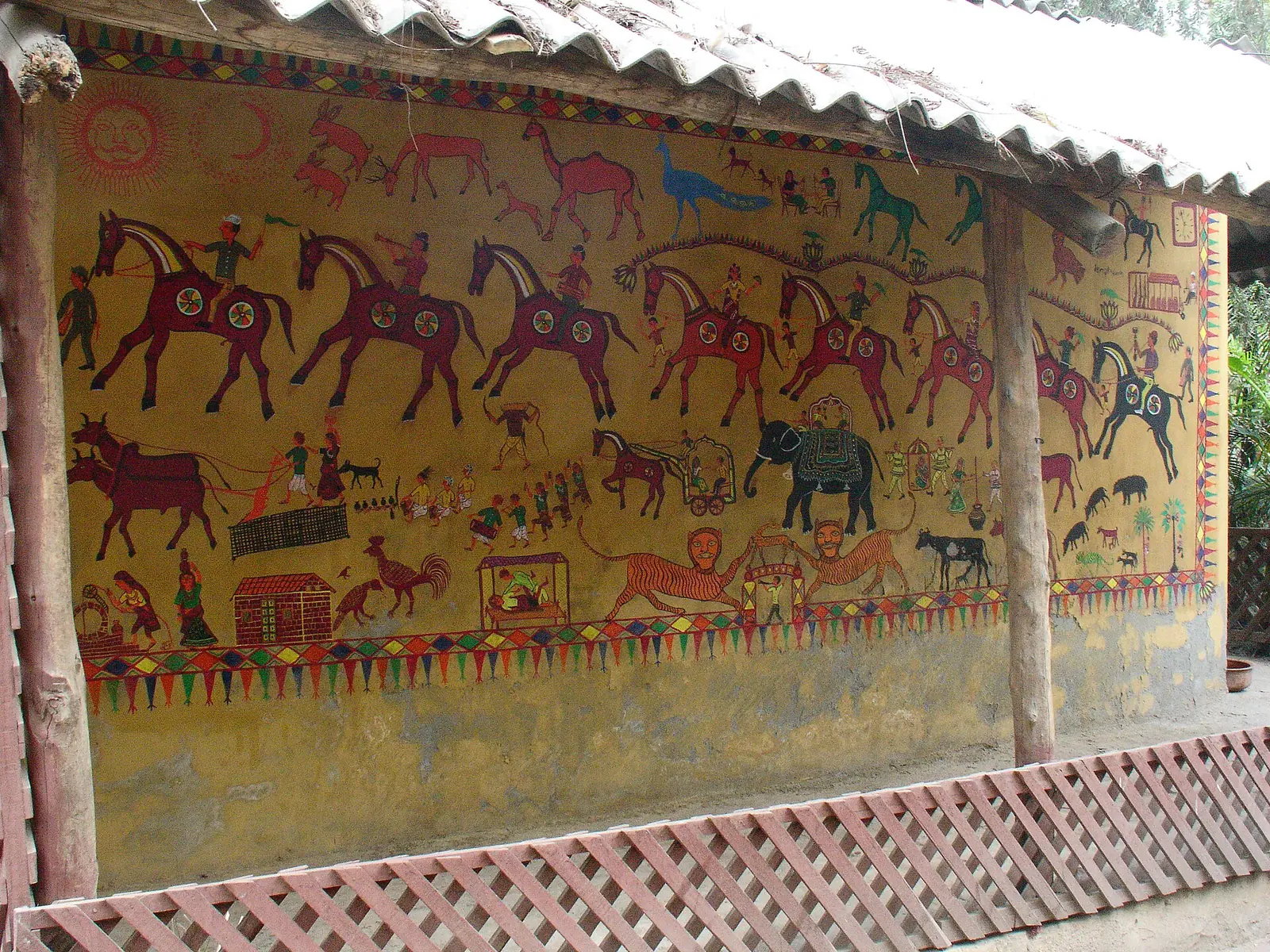 PithoraChhota Udepur and Panchmahal, Gujarat; Jhabua, Madhya Pradesh
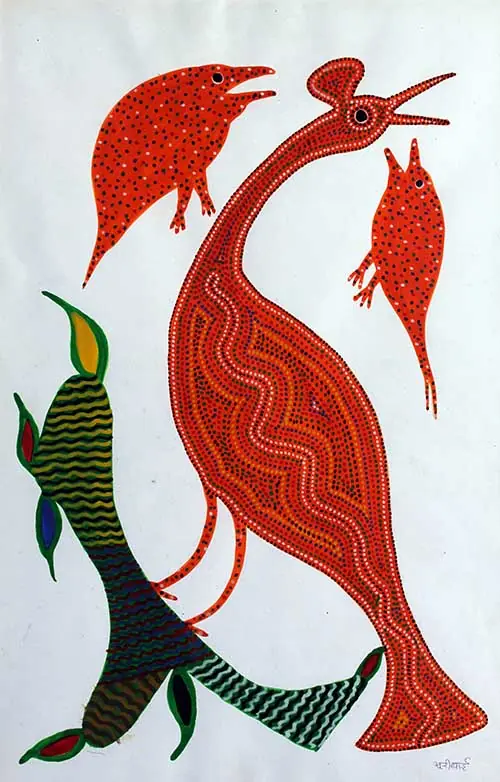 BhilJhabua and Alirajpur, Madhya Pradesh
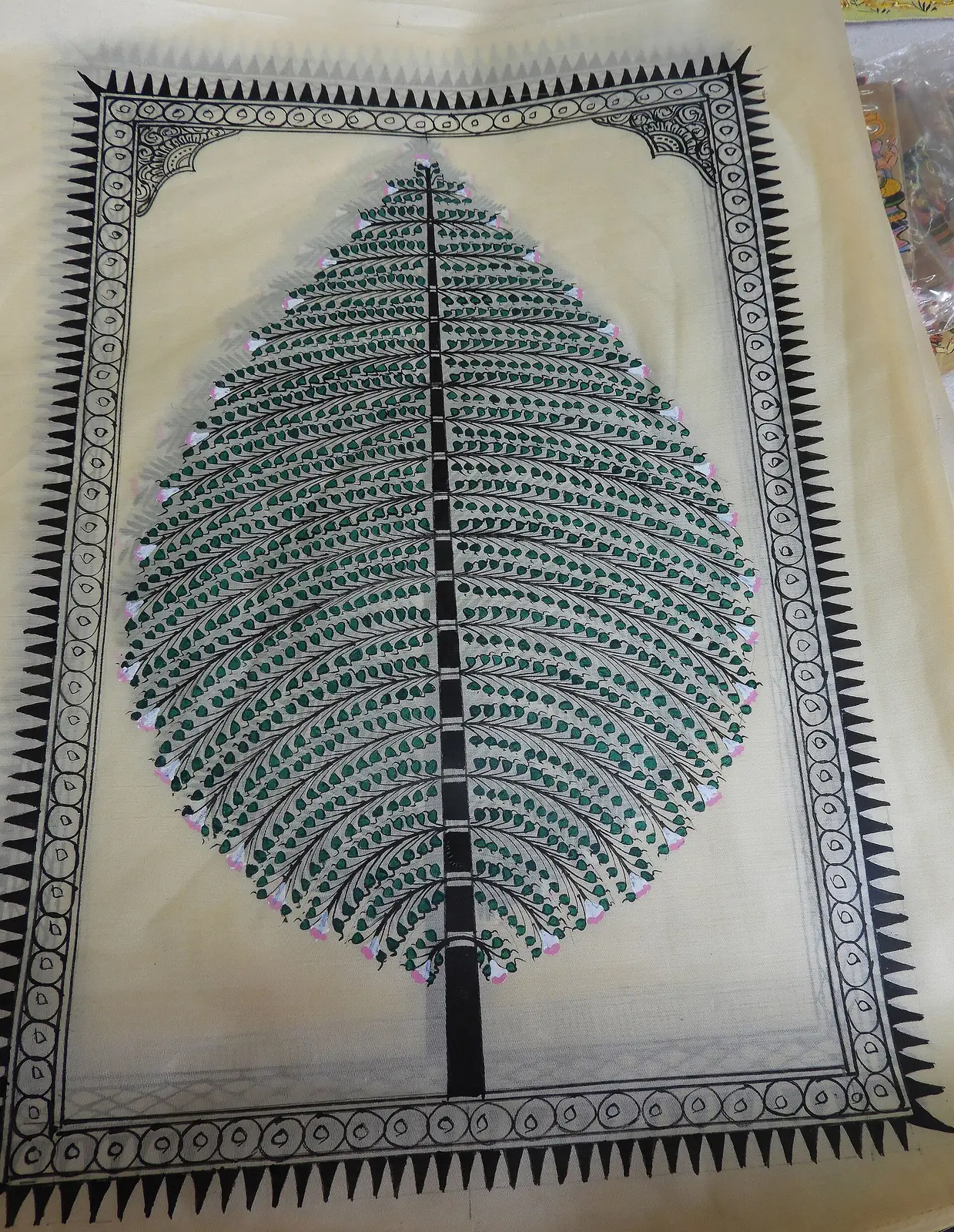 Saura IditalRayagada, Gajapati, Ganjam and Koraput, Odisha
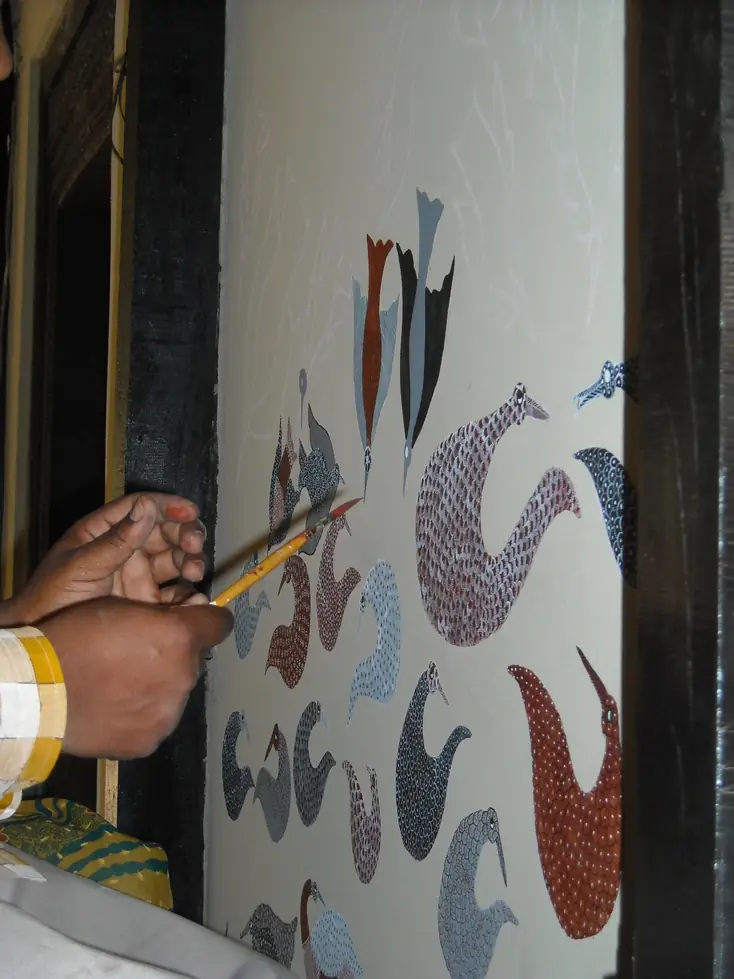 GondMandla, Dindori and Bhopal, Madhya Pradesh
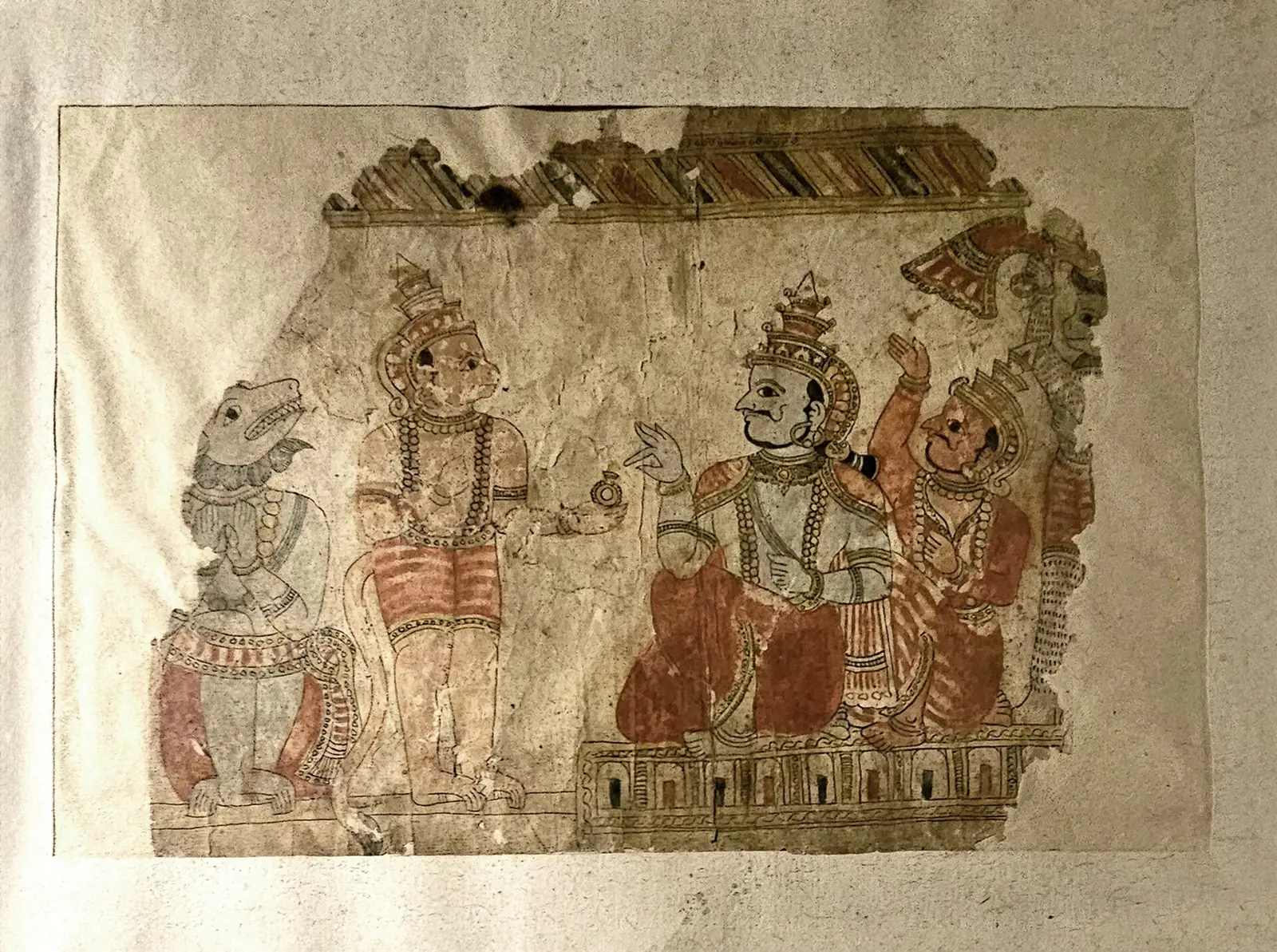 ChitrakathiPinguli, Sindhudurg, Maharashtra; once also Paithan
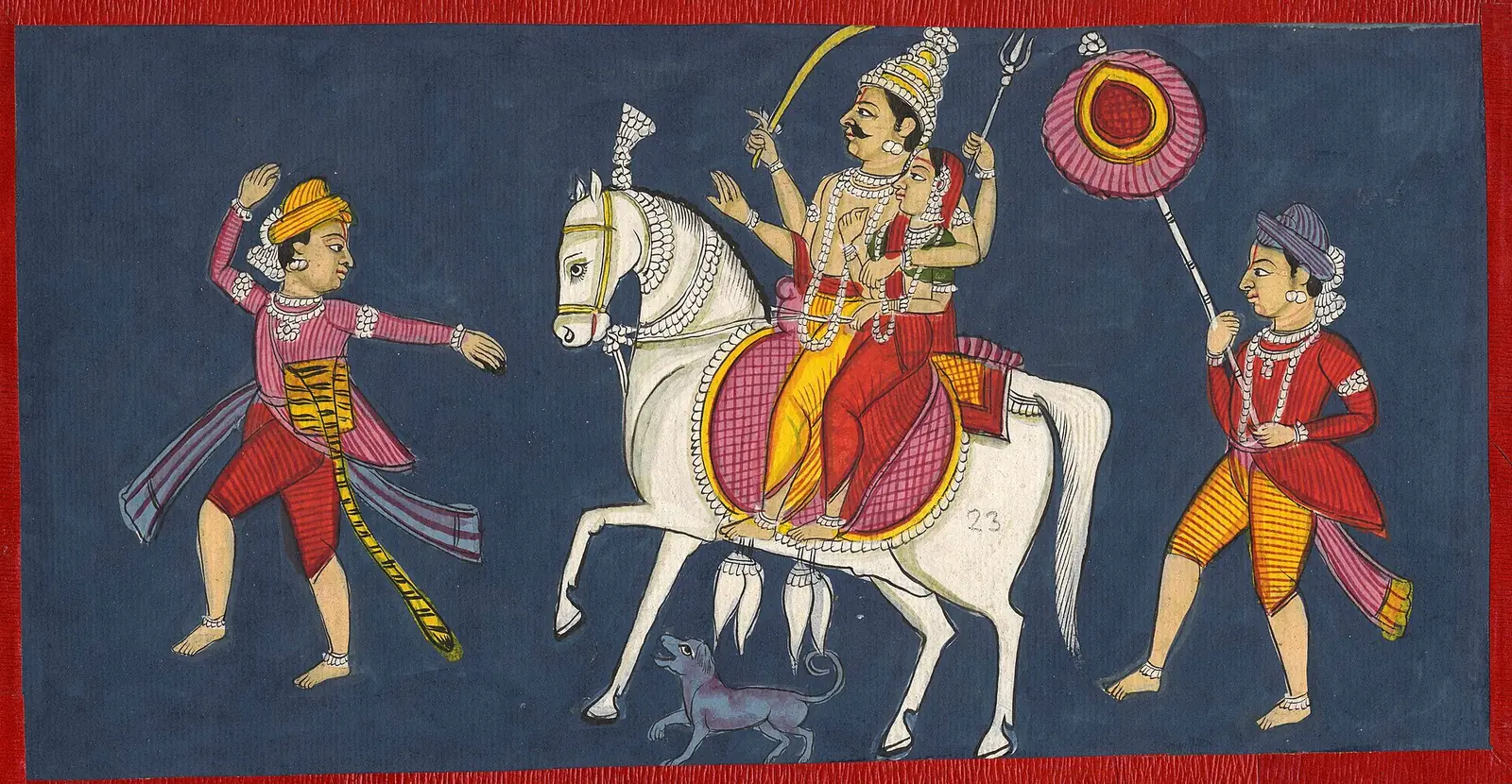 Maratha PaintingPune, Wai, Menavali and Satara, Maharashtra