
The Bengal School
बंगाल स्कूल · c. 1900–1920s
Abanindranath Tagore's soft watercolours, which gave the Swadeshi years Bharat Mata and turned painters back towards Indian miniatures.
- EraEarly 20th century
- MediumWatercolour and tempera
- Key figureAbanindranath Tagore
- Where to seeVictoria Memorial Hall, Kolkata
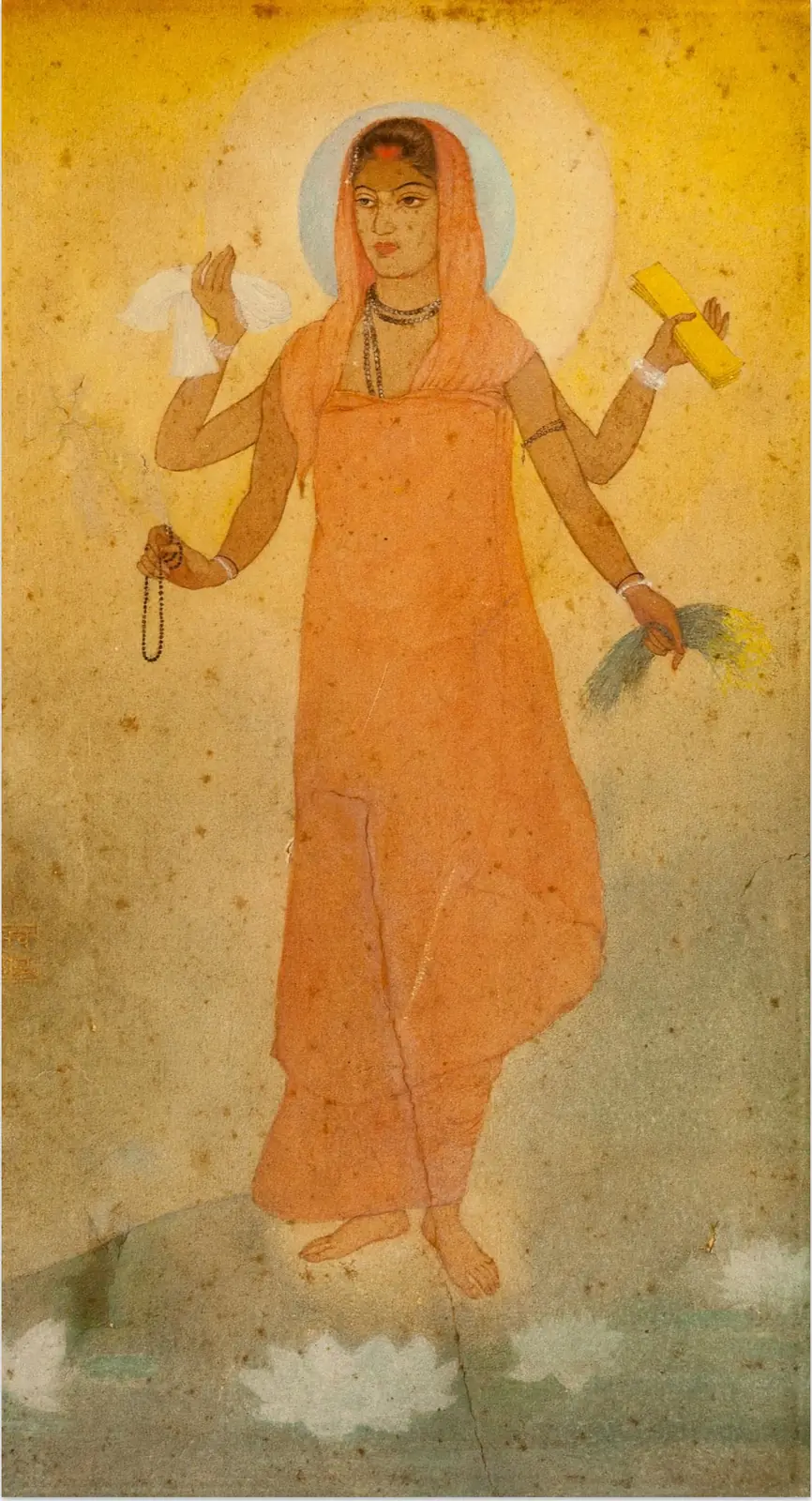
Abanindranath Tagore (1871–1951), nephew of Rabindranath, led a movement in Calcutta that set aside the European oil manner. With E. B. Havell at the Government School of Art, he turned students towards Mughal miniatures and away from copying European models.
A four-armed Devi holds a book, sheaves of paddy, white cloth and a rudraksha mala. Sister Nivedita called it the first great masterpiece of a new style.
Painted in the Swadeshi years, the image gave the country a form a Hindu could bow to, built from the old language of the devis.
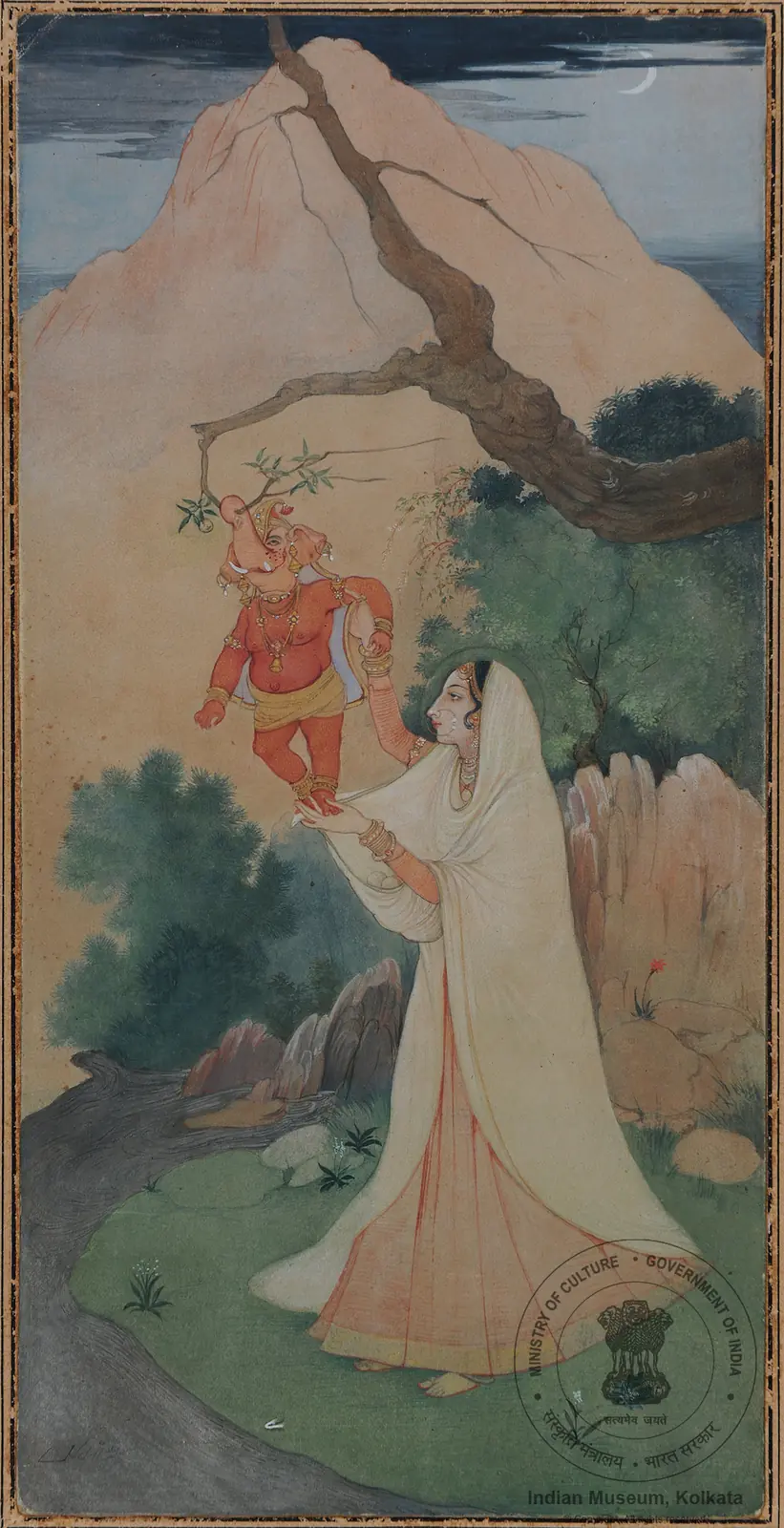
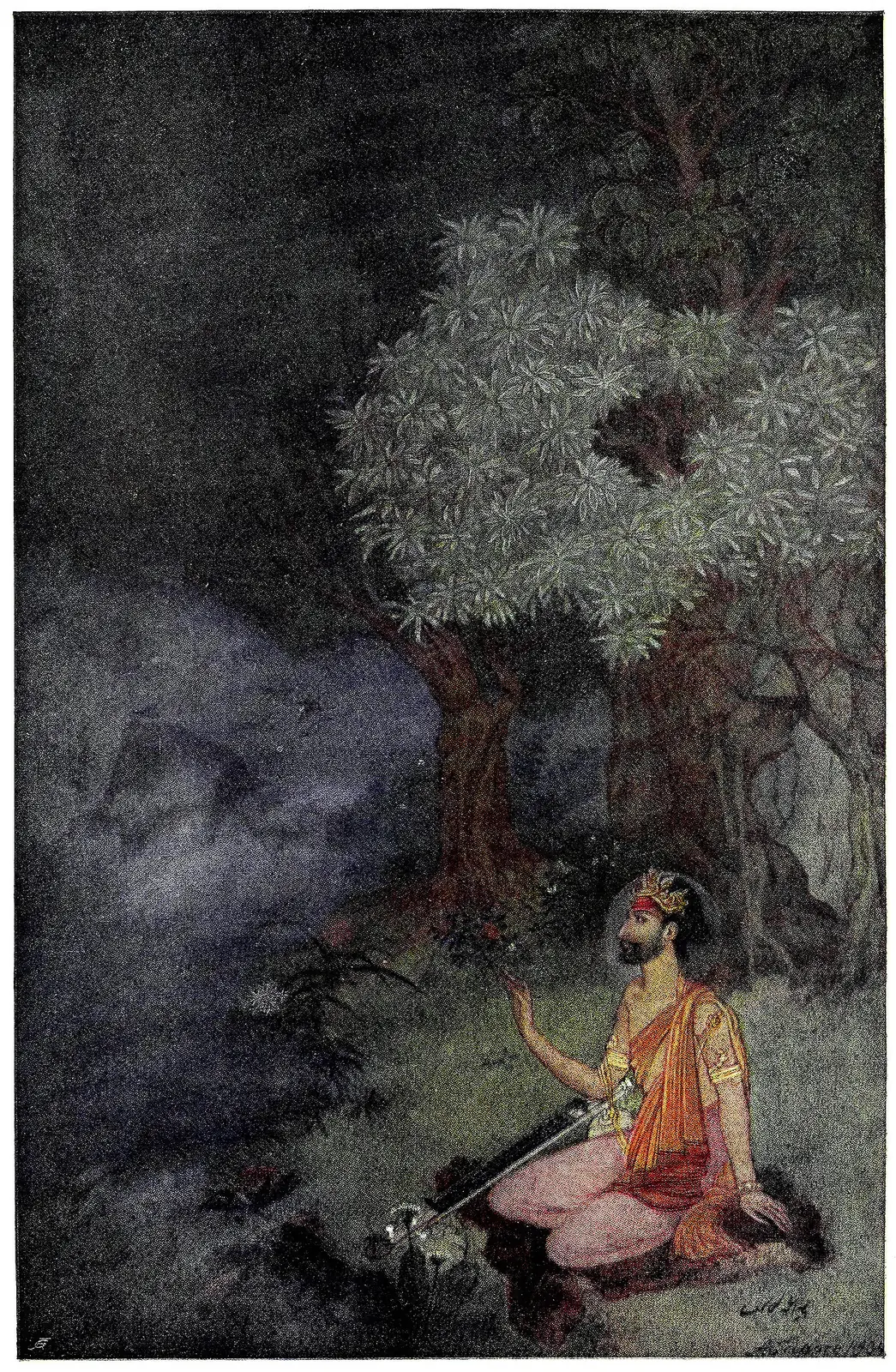
Against Ravi Varma's theatre, the Bengal painters chose stillness: Parvati playing with baby Ganesh, a yaksha in exile, Sita alone in Lanka.
Nandalal Bose, Asit Kumar Haldar, Kshitindranath Majumdar and K. Venkatappa were among his students, and carried the manner to Santiniketan and beyond.
Key works
People
1871–1951. Founder of the Bengal School.
Principal of the Government School of Art, Calcutta, from 1896, who backed the movement.
Wanted Bharat Mata copied and hung in homes across the land.
Japanese art historian who met and influenced Abanindranath.